
Key Takeaways:
- Q2 net sales hit $3.01 billion, beating the $2.99 billion consensus
- Biosimilar sales rose 22 percent at constant currency, driving growth
- Shares climbed 7.8 percent in European morning trading
Key Takeaways:
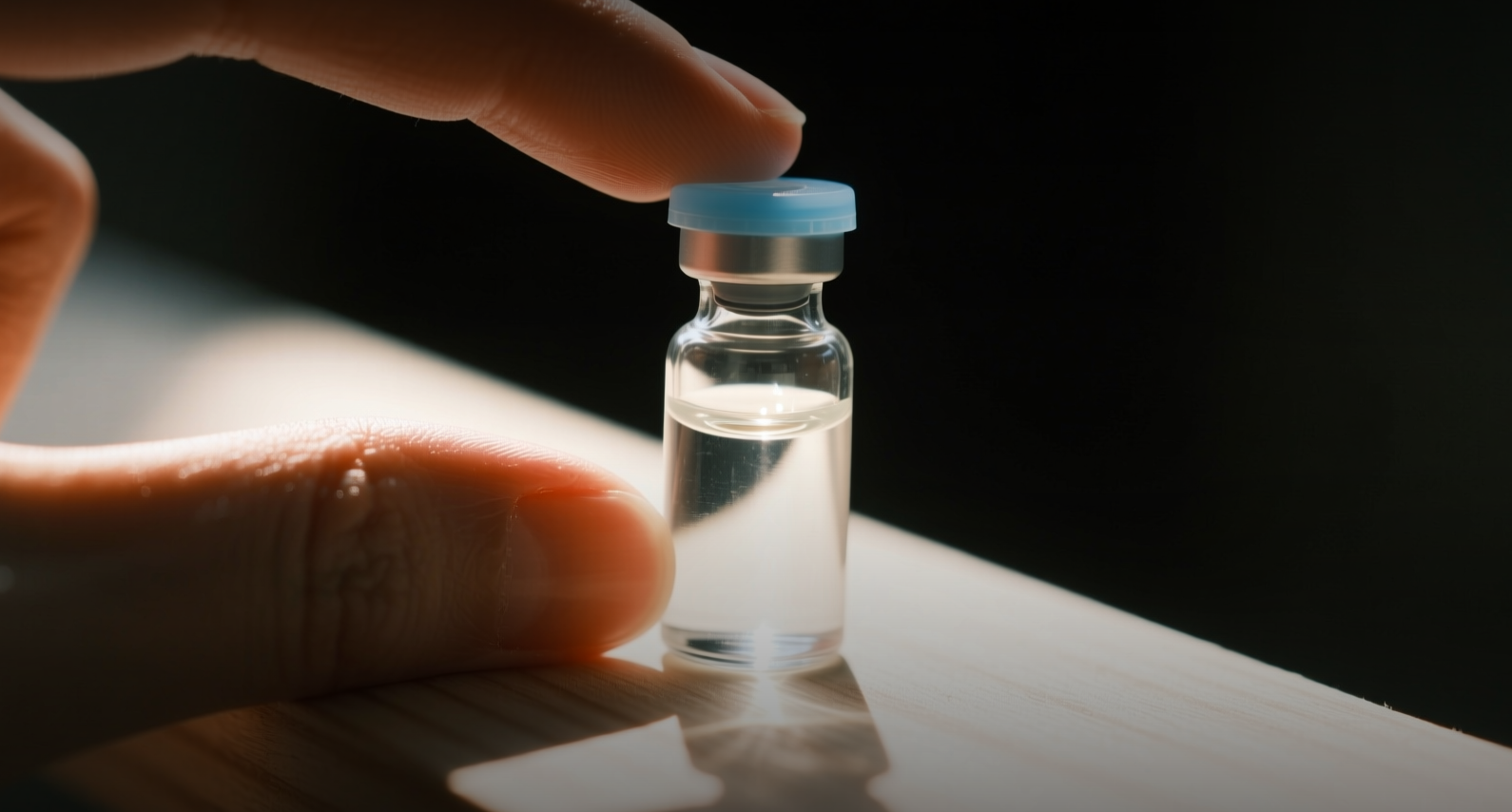
Sandoz reported Q2 net sales of $3.01 billion, beating the $2.99 billion consensus as biosimilar sales jumped 22 percent.
"You're sitting here with $650 billion of product due to come off patent in the next 10 years. That's more than the entire history of this industry," Chief Executive Richard Saynor said in an interview. "I think we're extremely well positioned."
Generic drug sales rose 1 percent at constant currency, recovering from a first-quarter decline tied to headwinds in the anti-infective business. Biosimilars accounted for 33 percent of total net sales. In North America, biosimilar sales grew 47 percent at constant currency in the first half, helped by launches of bone disease drug Wyost and osteoporosis drug Jubbonti.
Shares rose 7.8 percent in European morning trading, extending the stock's year-to-date gain to 20 percent. Analysts at Jefferies said the market would find relief in the results after a selloff over the past month.
For the first half, Sandoz posted a net profit of $109 million, down from $377 million a year earlier, after booking an increase in legal provisions. Core earnings before interest, taxes, depreciation, and amortization reached $1.21 billion, up 9 percent at constant currency.
The Swiss drugmaker is among the biggest beneficiaries of a wave of patent expiries that former parent Novartis has called the largest patent cliffs in decades. Sandoz management has dubbed the period a "golden decade" for the company.
In the diabetes and obesity drug market, Sandoz received its first approval in Brazil last week for a multi-dose disposable pen of semaglutide. In the United States, the FDA in June agreed to review two generic tirzepatide GLP-1s that, if approved, would rival obesity drugs made by Eli Lilly. Sandoz does not expect a material contribution from any potential generic semaglutide launch in 2026.
The company now expects pricing to decline by a mid-single-digit percentage in 2026, compared with a low-to-mid single-digit percentage decline seen previously, partly reflecting short-term market dynamics in Germany and strong biosimilar sales in North America. Sandoz confirmed its full-year guidance for net sales and core EBITDA, which excludes the impact of potential new U.S. tariffs.
Saynor said the company is continuing dialogues with U.S. policymakers and that he had visited the White House following President Donald Trump's tariff threats to the generic industry in July.
The results show Sandoz's biosimilar pipeline is converting patent expiries into revenue growth faster than expected. Investors will watch for FDA decisions on the two tirzepatide generics and any tariff developments that could affect the company's U.S. pricing outlook.
This article is for informational purposes only and does not constitute investment advice.
