

Sandisk and Kioxia's $31 billion Japan buildout looks like a strategy shift, but the financing structure keeps it inside the capital-light plan management described.
Sandisk and Kioxia's $31 billion Japan buildout looks like a strategy shift, but the financing structure keeps it inside the capital-light plan management described.
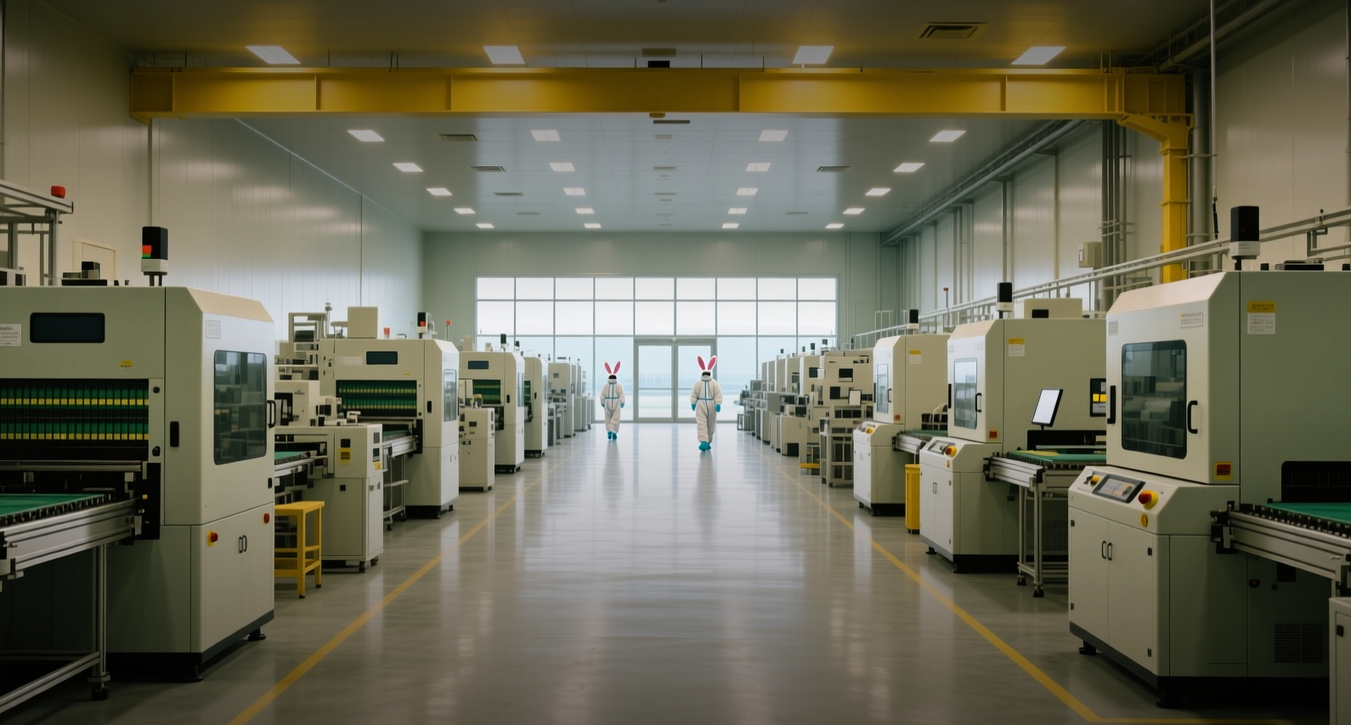
Sandisk and Kioxia plan to invest more than $31 billion in Japanese flash-memory plants through 2032, roughly 60 percent of what the partners have spent there in 25 years, betting that AI demand for storage outlasts the current cycle.
"This joint investment further strengthens our longstanding partnership with Sandisk," Kioxia President and CEO Hiroo Ota said, calling strategic support from the Japanese government essential to maintaining production competitiveness.
The plan, contingent on government support, funds infrastructure at the Yokkaichi and Kitakami plants, where the partners make NAND flash memory through the Flash Ventures joint venture. Sandisk holds a 49.9 percent stake in those entities and is obligated to finance about half of their capital expenditures when the joint ventures' own cash flow cannot cover them.
The headline looks odd next to what Sandisk management told investors three weeks earlier: that it grows supply through technology transitions rather than wafer additions, with capital expenditures falling to about 6 percent of revenue for fiscal 2027. The structure beneath the plan — jointly funded, government-backed, and sized to a revenue base that nearly tripled last year — reconciles the two.
The plan is joint, not a $31 billion check from Sandisk alone. The two companies manufacture through Flash Ventures, which operates eight facilities in Japan — six in Yokkaichi and two in Kitakami. In January they extended that framework through December 2034, with $1.165 billion in payments from Sandisk to Kioxia from 2026 through 2029 for manufacturing services and continued supply availability.
Sandisk's annual report says the company is obligated to finance between 49.9 percent and 50 percent of the capital expenditures the joint ventures decide to make, to the extent that the joint ventures' own cash flow cannot cover them. If about half of the plan flows through Flash Ventures, something close to $1.3 billion a year falls on Sandisk before any government contribution.
"We grow supply primarily through nodal transitions rather than wafer additions, delivering mid- to high teens bit growth," CEO David Goeckeler said on the company's Aug. 5 earnings call. CFO Luis Visoso guided capital expenditures to about 6 percent of revenue for fiscal 2027.
The 6 percent guidance and the $31 billion plan are the same money. What Visoso guided is gross capital expenditures, which already includes Sandisk's share of what Flash Ventures builds. Sandisk's own property purchases totaled just $177 million in fiscal 2026, far short of 6 percent of revenue, and it also put a net $275 million into the joint ventures. The plan's bill has to fit within that guidance, not sit beside it.
Sandisk's revenue in fiscal 2026 rose 175 percent year over year to $20.25 billion, and guidance for the fiscal first quarter of 2027 alone projects revenue of $10.3 billion to $10.8 billion. Against a business of that size, the bill fits within the 6 percent guidance.
The hardest issue for shareholders is durability. The plan runs through 2032, and memory has long been a wildly cyclical business. Kioxia separately began site preparation for Fab3 at Kitakami, targeting operations in fiscal 2029 to expand its BiCS FLASH 3D NAND output; Reuters reported that facility accounts for about $11.3 billion of the plan.
Sandisk has more visibility than in past cycles. Long-term agreements with eight customers already cover about half of the company's expected bit shipments for fiscal 2027, and Sandisk values those agreements at $93.9 billion over their lives, based on the minimum prices they guarantee.
The plan amounts to two of the industry's biggest players betting that the storage boom for artificial intelligence — the data centers Nvidia and hyperscalers are building — lasts longer than this quarter's debates about it. Samsung, the memory leader, just authorized its largest shareholder return ever, and every major memory stock fell Monday, a reminder that capacity additions in this sector have historically ended in oversupply.
Sandisk shares closed near $1,485, 37 percent below their June peak, at about 7 times forward earnings for the next fiscal year. The market still doubts how long the boom's earnings can last. The $31 billion headline reads like a strategy shift; the structure beneath it looks more like the plan management described, operating at the scale the boom now demands.
This article is for informational purposes only and does not constitute investment advice.
