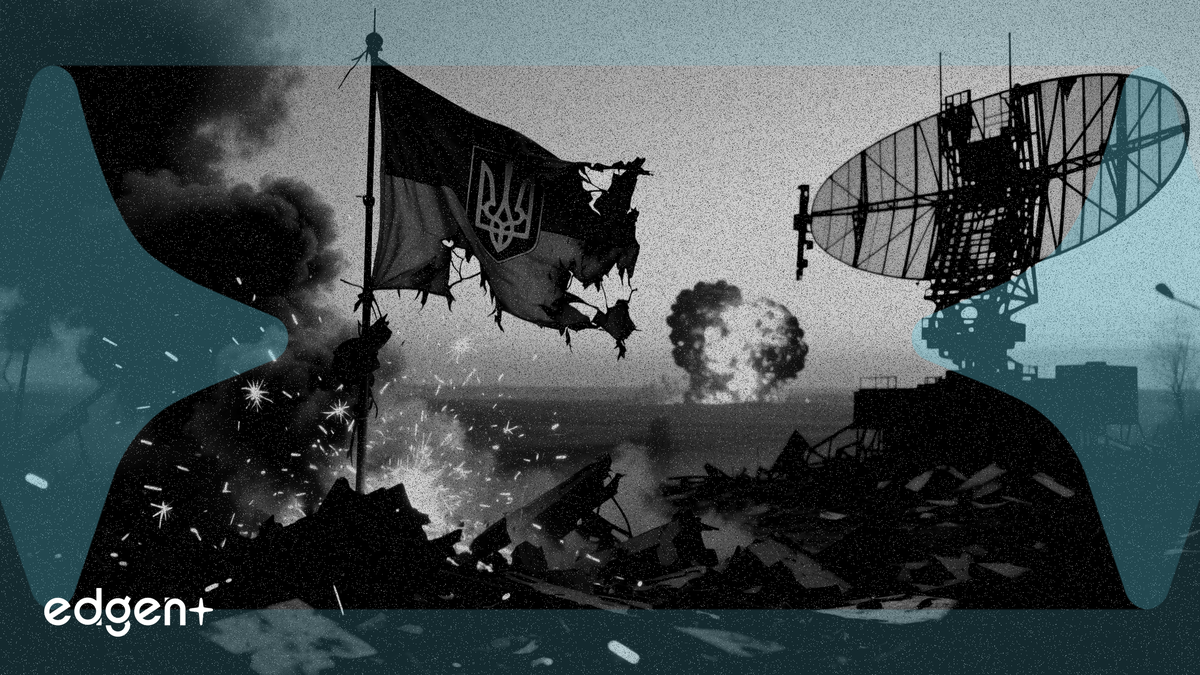
Russia launched its most lethal aerial assault on Ukraine in 2026, killing at least 18 people and injuring over 100 with a barrage of 659 drones and 44 missiles that tested the limits of Kyiv's strained air defenses. The attack came after a brief pause for Orthodox Easter and as U.S. diplomatic attention has been focused on the conflict in Iran, placing Ukraine in a more vulnerable position.
"This escalation is a clear signal of Russia's strategy to exploit perceived gaps in Western air defense supplies, which are stretched by the conflict in the Middle East," said Elena Fischer, a geopolitical risk analyst at Edgen.
The attacks, which primarily used ballistic missiles against the capital of Kyiv, caused significant damage to residential buildings and critical port infrastructure in Odesa. The strikes temporarily cut power in nine regions, though Ukraine's energy ministry stated it avoided the widespread grid restrictions seen during the previous winter's campaign, which involved nearly 1,000 missiles and 27,000 drones.
The attack underscores Ukraine's critical dependency on Western-supplied interceptors, particularly the Patriot missile systems. With supplies already depleted due to the war in the Middle East, Ukrainian President Volodymyr Zelensky is urgently pressing for accelerated shipments ahead of an anticipated Russian offensive. The outcome of this supply race will directly impact Ukraine's ability to protect its cities and key economic infrastructure in the coming months.
In response to the renewed assault, Ukraine has secured new commitments from its allies. Germany pledged $4 billion in air-defense support, while Spain has promised to send additional Patriot missiles. Ukrainian Defense Minister Mykhailo Fedorov emphasized that prioritizing air defense and scaling up domestic drone and missile production are now top priorities for the country's defense strategy.
This article is for informational purposes only and does not constitute investment advice.