Officials Reveal $129B Annual Unregulated Crypto Market
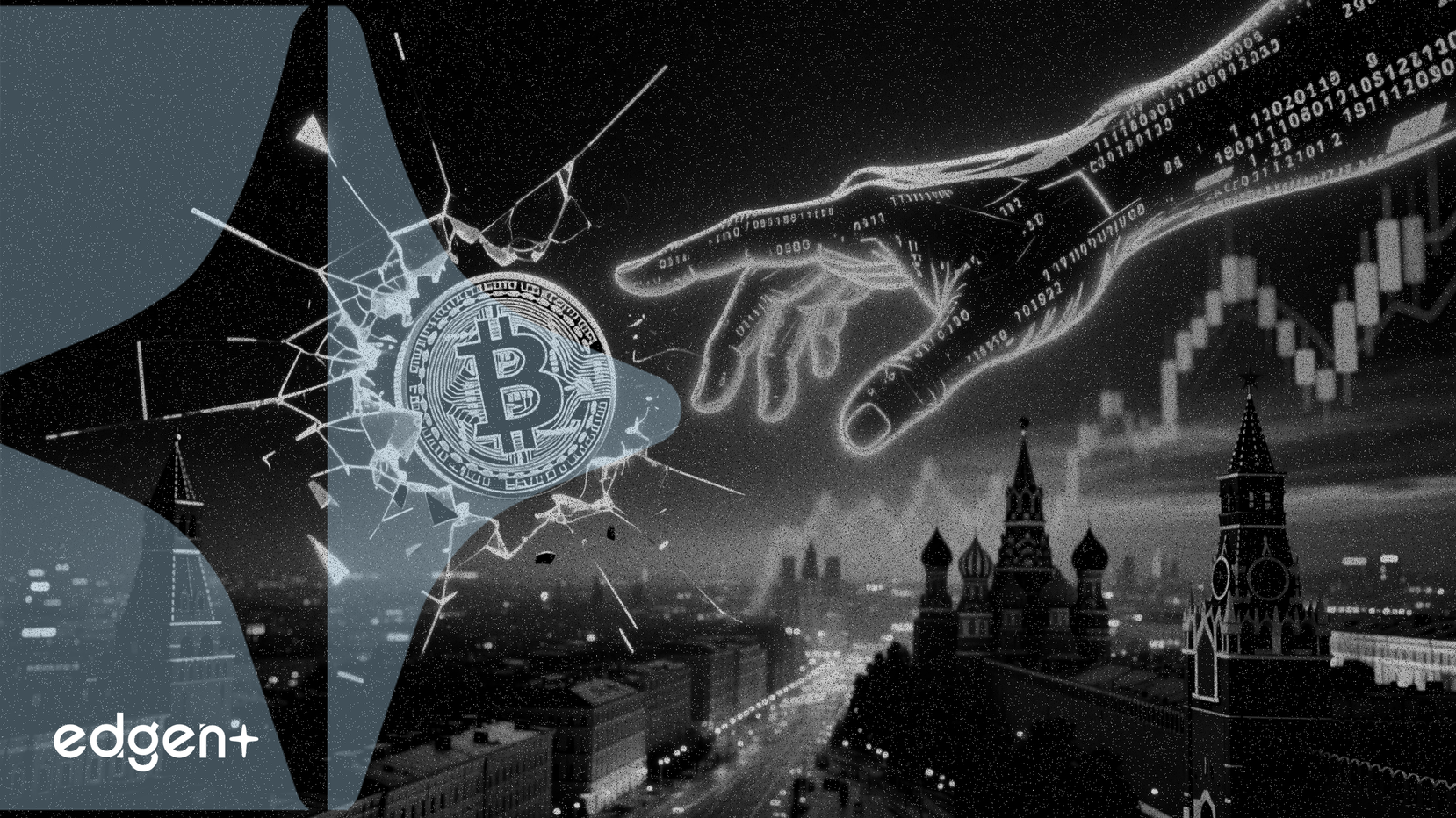
Russia's crypto market is operating at a scale far larger than previously acknowledged, with approximately 50 billion rubles ($648 million) in transactions occurring daily, according to Deputy Finance Minister Ivan Chebeskov. Speaking at the Alfa Talk conference, Chebeskov revealed that this activity amounts to an annual turnover exceeding 10 trillion rubles ($129.4 billion), a massive volume of capital flows happening almost entirely outside of government oversight.
That is a turnover of more than 10 trillion rubles per year, which is now happening outside the regulated zone, outside our attention.
— Ivan Chebeskov, Deputy Finance Minister of Russia.
This disclosure from a high-ranking official confirms the deep penetration of digital assets within the Russian economy, where millions of citizens are utilizing cryptocurrencies for savings and transactions. The sheer size of this shadow market has now forced regulators to accelerate plans for formal oversight.
Moscow Pushes Spring Deadline for New Crypto Rules
The finance ministry and the central bank are now jointly advocating for the swift implementation of crypto regulations. Vladimir Chistyukhin, the first deputy chairman of Russia’s central bank, expressed his hope that a comprehensive law would be adopted during the State Duma's spring session. This would create a legal framework for market participants to obtain licenses and formalize their operations.
A policy proposal from late December outlines a tiered system for investors. It would grant qualified investors broad access to the market, with the notable exclusion of privacy coins. Non-qualified investors, however, would face a strict annual investment limit of 300,000 rubles (approximately $3,834), a measure designed to mitigate risks for retail participants.
Regulatory Drive Coincides With Sanctions Pressure
The push to regulate Russia's domestic crypto market occurs as the country faces mounting international economic sanctions. The European Union, in particular, has raised concerns that digital assets are being used to circumvent these restrictions. According to a February 10 report, the EU is actively considering a new sanctions package that could include a ban on all cryptocurrency transactions with Russia.
This external pressure adds urgency to Moscow's efforts to control its domestic crypto ecosystem. By establishing a regulated environment, the government could gain greater visibility and control over capital flows, potentially to both legitimize the industry internally and address international concerns about illicit finance.