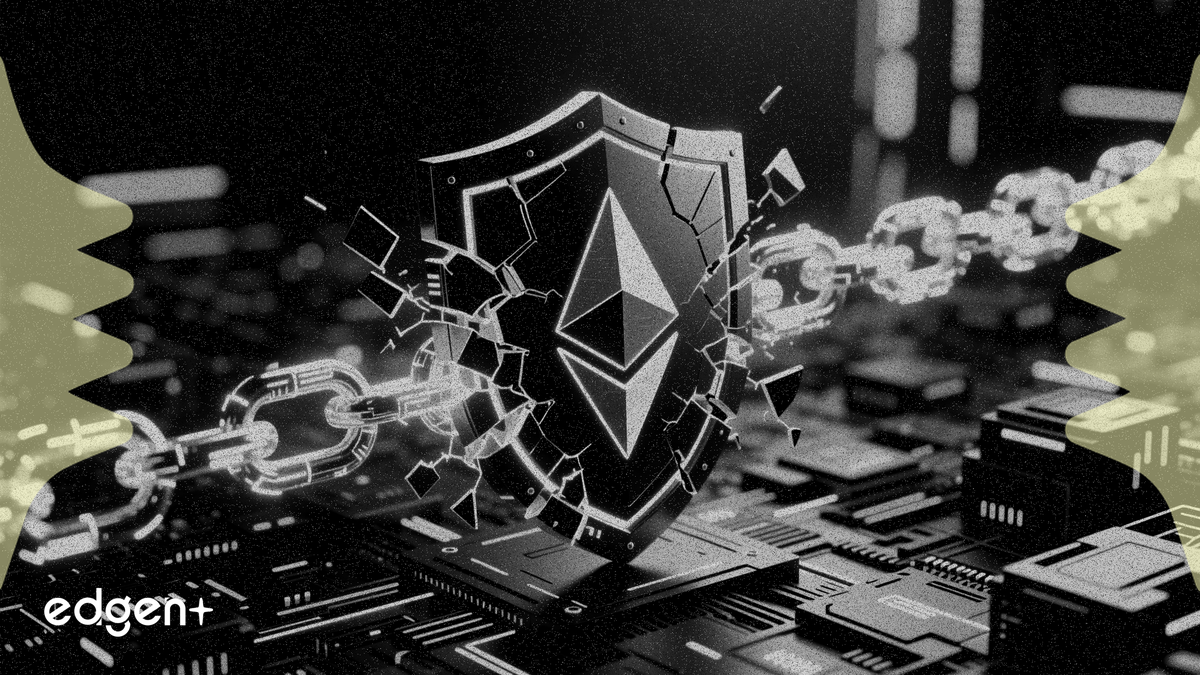
La blockchain Ronin, centrada en los videojuegos, pasará de ser una sidechain independiente a convertirse en una red de Capa 2 de Ethereum completa, un giro estratégico destinado a mejorar la seguridad y la escalabilidad más de dos años después de sufrir el mayor exploit de puente DeFi registrado hasta la fecha.
La migración tiene como objetivo reforzar la seguridad de la red, el tokenomics y la escalabilidad general, según afirmaron los desarrolladores de Ronin en un comunicado el 11 de mayo. El movimiento señala una integración más profunda con el ecosistema de Ethereum, aprovechando su arquitectura de seguridad para prevenir futuros ataques.
La transición aborda directamente las vulnerabilidades que llevaron al hackeo del puente Ronin en marzo de 2022, donde los atacantes drenaron aproximadamente 625 millones de dólares en activos. Al operar como una Capa 2, Ronin procesará las transacciones fuera de la cadena pero enviará las pruebas a la red principal de Ethereum, heredando su seguridad de capa base y dificultando significativamente ataques similares de compromiso de validadores. La red es conocida principalmente por ser el hogar del popular juego play-to-earn Axie Infinity.
Este giro hacia un marco de Capa 2 es un paso crítico para que Ronin recupere la confianza y atraiga nuevos juegos y desarrolladores. La mejora en la seguridad y escalabilidad, combinada con un tokenomics optimizado para su token nativo RON, podría aumentar la confianza de los inversores y consolidar la posición de Ronin dentro del competitivo sector de los juegos blockchain. El éxito de esta migración será observado de cerca como un posible modelo para otras cadenas independientes que busquen mayor seguridad e interoperabilidad dentro del ecosistema de Ethereum.
Este artículo tiene fines informativos únicamente y no constituye asesoramiento de inversión.