
Robinhood is opening its platform to AI agents that can trade stocks and make purchases, betting on a technology most companies have yet to govern.
Robinhood is opening its platform to AI agents that can trade stocks and make purchases, betting on a technology most companies have yet to govern.
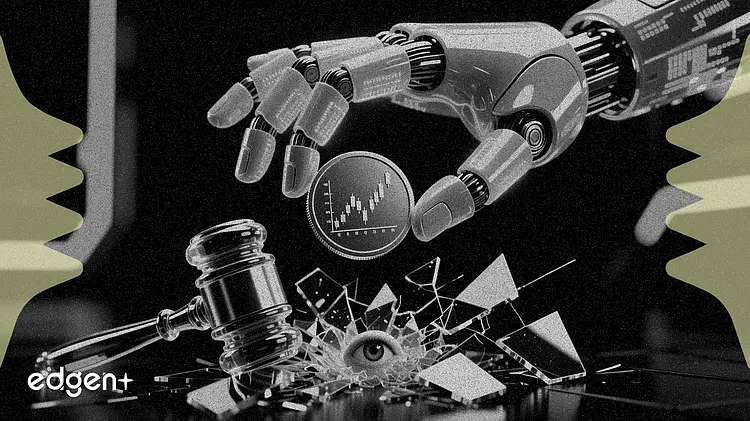
Robinhood is opening its platform to AI agents that can trade stocks and make purchases, betting on a technology most companies have yet to govern.
Robinhood Markets will let customers deploy AI agents to trade stocks and make purchases on its credit card, pushing autonomous digital assistants from experimental tools into live financial transactions. The feature, announced Wednesday, marks one of the first instances of a major US brokerage allowing algorithms to execute trades and spend money without direct human intervention at the point of action.
"I think our audience right now is the early adopters of agents," Abhishek Fatehpuria, vice president of product management for brokerage at Robinhood, said.
Users can create a dedicated trading account for their AI agents, separate from their primary account, with the feature initially limited to equities. Robinhood plans to expand to derivatives, crypto and prediction markets. On the credit side, agents can access a virtual Robinhood Gold card to make automatic purchases — grabbing concert tickets before they sell out or buying products once prices drop below a set threshold.
The move positions Robinhood at the forefront of agentic AI in consumer finance, a space where Visa began laying groundwork in 2025 with a platform for AI agent shopping. But a Deloitte survey published in April found only 21% of organizations have a mature governance model for agentic AI, highlighting the gap between adoption and oversight.
Guardrails Against Rogue Agents
Robinhood executives said they have put enough controls in place to counter concerns of agents acting unpredictably. Users can set spending limits on agentic credit card accounts and require manual approval before any purchase. Such safeguards are becoming a focus as businesses warn that agentic AI adoption is outpacing their ability to monitor it, the Deloitte survey of information technology and business leaders showed.
The feature distinguishes Robinhood from traditional brokerages that have largely kept AI in an advisory role. Competitors including Charles Schwab and Fidelity offer AI-powered portfolio analysis and chatbot support but stop short of letting algorithms execute trades autonomously on behalf of retail clients. Robinhood's approach mirrors the broader tech industry push toward agentic AI — systems that plan and act rather than merely respond to prompts.
AI agents represent a shift from the chatbot-style assistants that dominated the past two years of AI development. Instead of generating text or answering questions, agentic AI can take actions in the real world — booking reservations, making purchases, or executing trades. Technology companies from OpenAI to Google have been building frameworks to enable such capabilities, and financial firms are now racing to integrate them into consumer products.
Investor Impact and Market Context
For Robinhood, the AI agent feature could drive higher transaction volumes and credit card usage, boosting revenue from both trading fees and interchange income. The company has been expanding beyond its core commission-free trading model into banking services, including its Gold credit card and cash management accounts. Robinhood reported $1.2 billion in transaction-based revenue in 2025, with options and crypto trading accounting for the largest share.
The broader fintech sector is watching closely. If Robinhood's agentic trading gains traction, it could pressure competitors to offer similar capabilities or risk losing younger, tech-savvy clients. Visa's 2025 platform for AI agent shopping showed that payment networks view autonomous transactions as a growth market. Mastercard has also been developing AI agent payment capabilities, according to industry reports.
Robinhood shares have benefited from the company's product expansion efforts, though the stock remains sensitive to retail trading volumes and regulatory scrutiny. The AI agent feature introduces new questions around liability — who is responsible when an AI agent makes a bad trade or unauthorized purchase — that regulators have yet to address. Robinhood trades on the Nasdaq under the ticker HOOD.
This article is for informational purposes only and does not constitute investment advice.
