Tenev Cites Settlement Rules in $483 GME Stock Frenzy
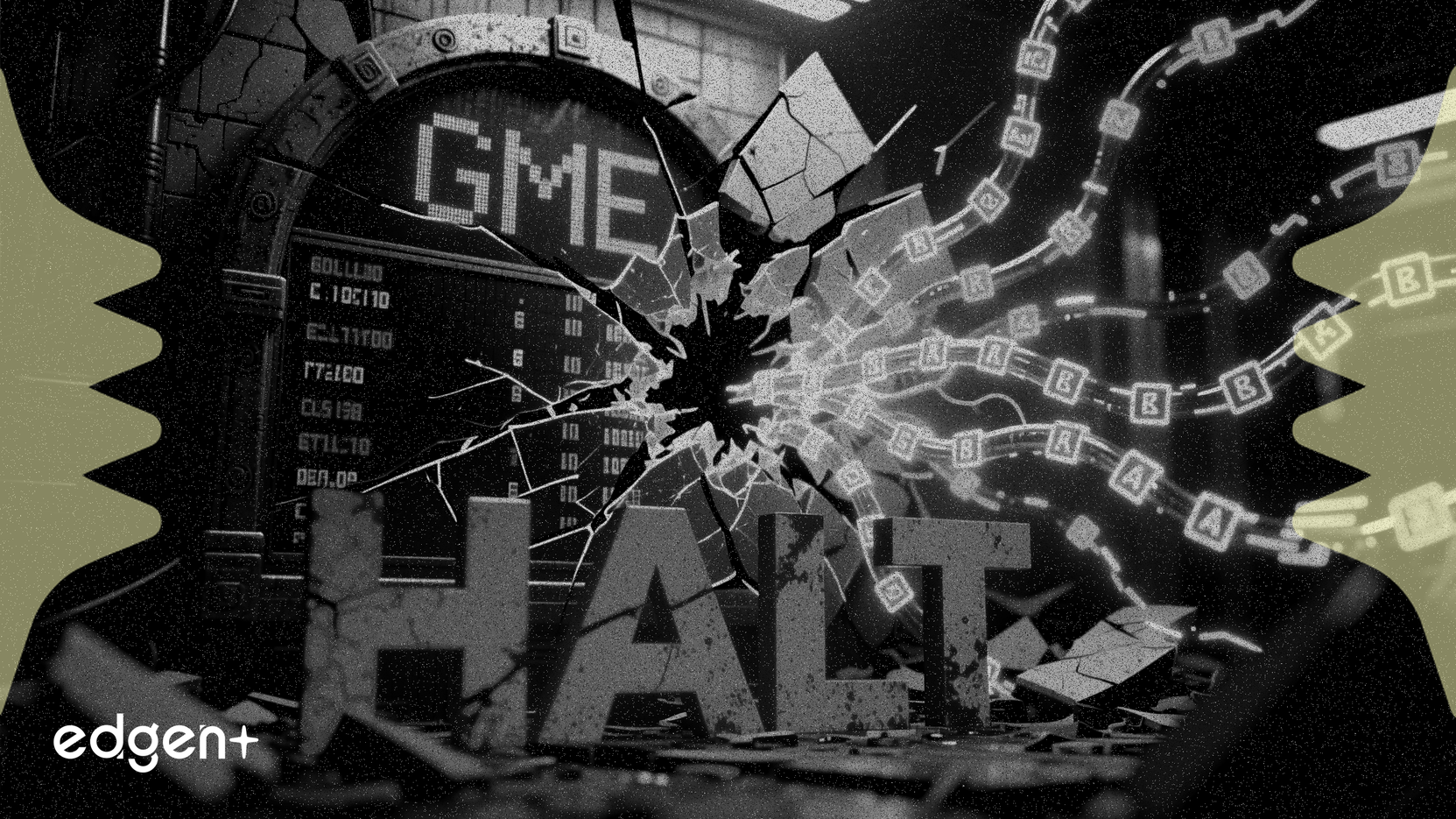
Robinhood CEO Vlad Tenev revisited the January 2021 meme-stock crisis, stating that the event was a "wake-up call" for Wall Street's outdated infrastructure. He argued that Robinhood was "forced to halt buying" of GameStop (GME) after its price soared from approximately $17 to an intraday high of $483. Tenev blamed the then-standard two-day (T+2) settlement cycle for creating "massive deposit requirements" from clearinghouses as retail trading volume exploded.
While acknowledging that a subsequent industry shift to a one-day (T+1) settlement cycle was a positive step, Tenev maintains it is insufficient, as delays can still extend settlement times around weekends. He positions asset tokenization as the definitive solution, enabling the real-time settlement and 24/7 trading that could prevent future restrictions. Robinhood is currently developing such products for European markets.
Critics Point to Inadequate Capital, Not Just Settlement
Financial industry experts contend that the settlement cycle is only part of the story. They argue that Robinhood’s specific operational failures, rather than a systemic market flaw, were the primary cause of the trading halt. Musheer Ahmed, founder of FinStep Asia, noted that traditional brokerages have historically managed similar demand surges without incident, suggesting Robinhood had not prepared adequate capital reserves or risk management controls for such a high-volume event.
This view suggests the crisis was a firm-specific liquidity problem, not an unavoidable market-wide consequence of settlement rules. According to this perspective, the responsibility to ensure smooth trading rests with the broker. A failure to maintain sufficient collateral for clearinghouse obligations points to internal planning deficiencies that tokenization alone might not solve.
SEC Stance Clouds Tokenization as a Quick Fix
While tokenization is gaining traction, with financial leaders viewing it as a major evolution in market plumbing, regulators are proceeding with caution. Recent guidance from the U.S. Securities and Exchange Commission (SEC) staff reiterated that tokenized assets remain subject to existing federal securities laws. The format of an asset on a blockchain does not alter its fundamental legal status or exempt it from established collateral and settlement controls.
This regulatory reality presents a significant hurdle to Tenev's vision of a seamless, tokenized market. Even Tenev conceded that without "regulatory clarity" and collaboration with the SEC, efforts to implement real-time settlement through tokenization are "moot." The path forward requires not just technological innovation but also the development of clear standards that satisfy long-standing investor protection laws.