



Key Takeaways:
- Ripple launched the XRPL AI Starter Kit on June 10 for agent payments
- The x402 protocol processed 35 million transactions on Solana by March 2026
- XRP tokenomics mean holders see little upside from increased network activity
Key Takeaways:
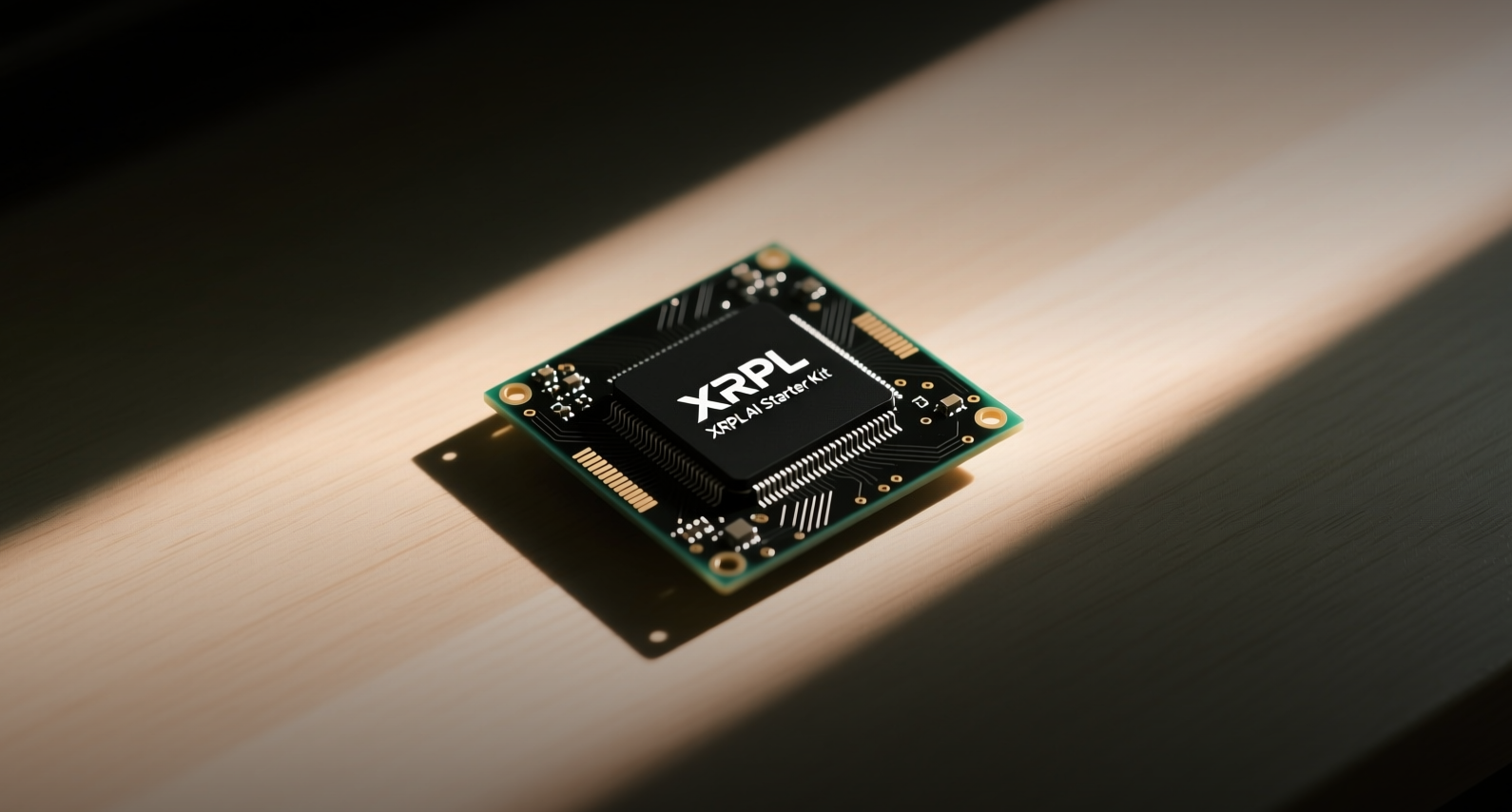
Ripple's new XRPL AI Starter Kit lets autonomous agents pay using XRP and RLUSD, but tokenomics may limit upside for holders.
Ripple shipped the XRPL AI Starter Kit on June 10, enabling autonomous software agents to pay for services in XRP and RLUSD through the x402 protocol, an open standard for machine-to-machine payments.
The x402 protocol, which launched in May 2025, had processed roughly 35 million transactions on Solana by March 2026, with stablecoins as the most dominant medium of exchange, according to protocol data. The XRPL joins Solana and Ethereum as chains supporting the standard.
Ripple is targeting a different user base than the early adopters on Solana. Its pitch to financial institutions emphasizes fast transaction finality, predictable and low fees, and built-in compliance tools. RLUSD, Ripple's dollar-backed stablecoin, is also gaining institutional traction, with Mastercard among eight developments the company highlighted in recent months. The XRP Ledger's Ethereum-compatible sidechain is also preparing an upgrade focused on stronger security and operational stability, according to developer Peersyst.
The challenge for XRP holders is structural. Every XRP transaction burns a minuscule fee that is destroyed, not distributed to token holders. Since 2012, about 14.3 million XRP have been burned, or 0.02 percent of the float. At April 2026's record pace of 71.5 million monthly transactions, roughly 4 million XRP would be burned in a year. At that rate, removing even 1 percent of the coin's outstanding supply would take more than 154 years, meaning value can route through the chain without being captured in XRP's price.
Ripple's late entry into the AI agent payment race does not make it irrelevant, but it does mean the network must differentiate on its institutional strengths rather than first-mover advantage. Financial institutions exploring autonomous payments value regulatory clarity and settlement finality over raw throughput, areas where the XRPL has invested heavily. Whether that translates into demand for XRP itself, rather than just activity on the ledger, depends on whether Ripple can shift the network's economic model or find ways to channel value back to the token.
This article is for informational purposes only and does not constitute investment advice.
