
主な要点:
- ケベック・イノベーティブ・マテリアルズは、ノバスコシア州の試錐孔DDH-26-03において、同敷地内で過去最高となる10.77%の水素マッドガス濃度のピークを記録したと発表しました。
- 検出されたガスにはメタンやCO2がほとんど含まれておらず、非生物起源(天然)水素システムと一致する特徴を示しています。
- H₂ マッドガス測定値 (DDH-26-03)
- ピーク値: 848m地点で10.77%
- 5%以上の値: 69mの区間で5回記録
- 7%以上の値: 33mの区間で3回記録
主な要点:
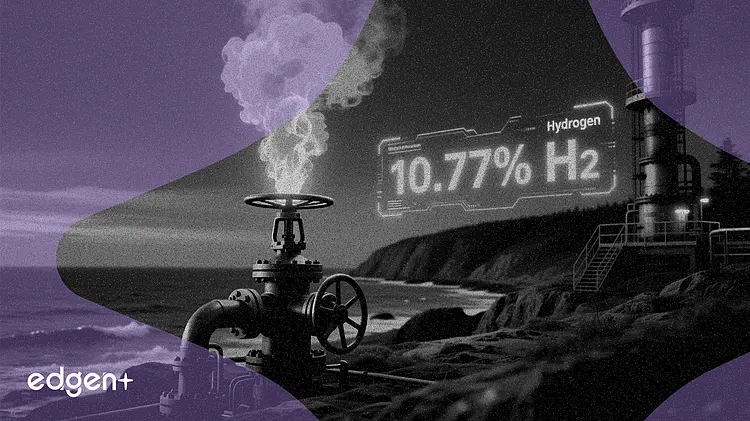
ケベック・イノベーティブ・マテリアルズ(CSE: QIMC)(OTCQB: QIMCF)は、ノバスコシア州ウエスト・アドボケート・プロジェクトの試錐孔から、同敷地内で過去最高となるピーク濃度10.77%の天然水素マッドガス測定値を記録したと発表しました。
QIMCのCEOであるジョン・カラジアニディス氏は、「DDH-26-03は、848メートル地点で10.77%のH₂を記録し、ウエスト・アドボケート敷地内におけるQIMCの過去最高のマッドガス測定値を更新しました」と述べています。「2桁のピーク値が注目される数字ですが、我々の見解では、より重要な発見は2.5キロメートル規模で観察された明らかな横方向の連続性と、メタンおよびCO2がほぼ完全に欠如していることです。」
DDH-26-03孔の結果には、深さ779メートルから848メートルの間の69メートルの区間において、少なくとも5%以上の水素濃度を示す5つの連続した測定値が含まれていました。ガス混合物にはメタンと二酸化炭素が顕著に含まれておらず、同社はこれを、従来の熱分解ガスではなく、非生物起源の天然水素システムに一致する特徴であると解釈しています。
この坑井は、はるかに低い濃度を示した以前の試錐孔から2.5キロメートル離れた「ステップアウト(拡張)」坑井であるため、今回の発見は水素システムが構造的に広範囲に及んでいる可能性を裏付けています。同社は現在、以前の坑井を深掘りするとともに、12.5キロメートル離れた場所に新たに2つの孔を掘削し、さらなる連続性を調査する計画です。
DDH-26-03孔の探査結果は、大規模な天然水素システムの可能性を示唆しています。最終深度932メートルまで掘削されたこの孔では、102のサンプルのうち26の測定値が1%のH₂を超えました。848メートル地点でのピーク値10.77%は、2.5キロメートル離れたDDH-26-02孔の以前の最高値であるわずか0.82%と比較されます。
高濃度の水素は、晶洞(ブグ)があり、磁鉄鉱および磁硫鉄鉱を含む多成分礫岩内で発見されました。これは、深部起源の水素の経路として断層・破砕帯をターゲットとする同社の探査モデルと一致する地質学的形成です。同プロジェクトの独立科学アナリストであるINRS(国立科学研究院)のマルク・リシェ=ラフレーシュ教授による分析では、これらの磁鉄鉱に富む礫岩と最高濃度のH₂との間に明確な相関関係が認められました。
採取された全区間にわたり、メタンは検出限界の0.1%以下であり、これはいわゆる「ホワイト」水素の重要な指標です。これにより、メタンが主流である典型的な炭化水素ガスシステムと今回の発見が区別されます。
高品位の結果を受け、QIMCは以前500メートルで掘削を中断していたDDH-26-02孔を深掘りするために掘削機を再配備しました。目的は、最新の孔でパーセントレベルの測定値が得られたのと同じ800〜900メートルの深度区間を調査することです。
その後、同社はコベクイド=チェダブクト断層帯に沿って約12.5キロメートル移動し、ベネット・ヒル・プロジェクトにおいてDDH-26-04およびDDH-26-05の2つの新孔を掘削する予定です。次の掘削フェーズでは、2025年の土壌ガス調査で4キロメートルにわたる水素の異常傾向が確認されたエリアをターゲットにします。同社は、最新の掘削結果が、地下の蓄積をターゲットにするために地表の土壌ガス異常を利用することの有効性を、現場規模で裏付けるものであると述べています。
この記事は情報提供のみを目的としており、投資アドバイスを構成するものではありません。
