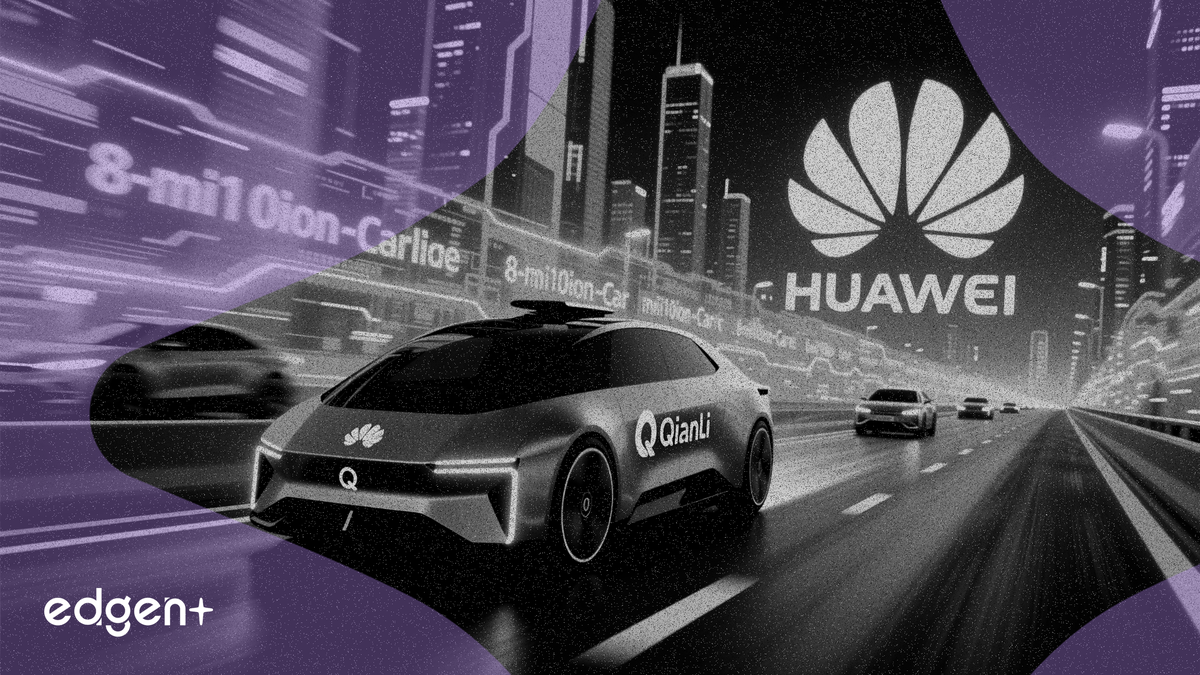
(P1) 첸리 테크놀로지는 화웨이의 성공적인 자동차 비즈니스 모델을 복제하기 위해 전략적 전환을 꾀하고 있으며, 3년 내에 자사의 스마트 주행 시스템을 800만 대의 자동차에 설치하여 화웨이의 시장 지배력에 직접 도전하는 것을 목표로 하고 있습니다.
(P2) "우리가 800만 대의 규모를 달성한다면 세계 최대의 스마트 주행 솔루션 공급업체 중 하나가 될 것입니다."라고 최근 임명된 자오밍 공동회장 겸 전 아너 CEO는 회사에서의 첫 공식 석상에서 말했습니다.
(P3) 이 전략에는 2026년 생산 예정인 새로운 프리미엄 AI 자동차 브랜드 '팔라드(Pallade)' 출시와 북경자동차(BAIC) 그룹과의 합작 투자 추진이 포함됩니다. 이는 약 3,000명의 스마트 주행 인력의 대대적인 통합과 신규 자금 조달을 위해 2026년 4월 홍콩 IPO를 재신청한 데 따른 것입니다.
(P4) 이 야심 찬 계획은 첸리를 시간 및 재무적 현실과의 위험천만한 경주로 몰아넣고 있습니다. 회사는 여전히 매출의 33% 이상, 조달의 50% 이상을 지리에 의존하고 있으며, 이러한 관계는 다른 완성차 업체를 위한 진정한 독립적 티어 1 공급업체가 되려는 목표를 복잡하게 만듭니다.
화웨이 플레이북
여러 전직 화웨이 임원들을 포함한 팀이 이끄는 첸리의 새로운 방향은 주요 경쟁사의 이중적 접근 방식을 그대로 반영합니다. 첸리는 '팔라드' 브랜드를 통해 자체 '쇼케이스 차량(样板车)'을 출시함으로써 스마트 콕핏에서 자율 주행에 이르는 AI 기반 아키텍처의 모든 역량을 입증하고자 합니다. 동시에 지리 생태계 외부의 첫 번째 주요 타겟인 북경자동차를 시작으로 외부 완성차 업체에 솔루션을 공급하기 위해 움직이고 있습니다.
이 전략은 경쟁에 필요한 규모를 달성하는 데 필수적입니다. 자오밍 회장의 800만 대 목표는 첸리의 현재 설치 기반인 46만 대를 압도하는 수치입니다. 이는 2026년 5월까지 첸쿤 스마트 주행 시스템 설치 대수가 100만 대를 넘어선 화웨이가 이미 달성한 규모에 대한 직접적인 대응입니다.
재무적 역풍
전략적 전환에는 상당한 재무적 압박이 따릅니다. 최신 IPO 투자설명서에 따르면 첸리의 매출은 2023년 67억 위안에서 2025년 98억 8천만 위안으로 성장했습니다. 하지만 같은 기간 동안 회사는 9억 위안 이상의 누적 순손실을 기록했습니다.
비즈니스의 핵심은 여전히 전통적인 저마진 제조업에 머물러 있습니다. 2025년 전통적인 자동차 및 오토바이 판매가 매출의 약 90%를 차지했으며, 자동차 부문의 매출총이익률은 2.8%에 불과했습니다. 반면, 초기 단계인 스마트 주행 솔루션 사업은 30.4%의 이익률을 자랑하지만 총 매출 기여도는 3.5%인 3억 5천만 위안에 그쳤습니다. AI 야망을 위해 연구개발(R&D) 지출은 3년 만에 4배 증가하여 2025년에는 8억 2,200만 위안에 달해 수익성을 더욱 압박했습니다. 지리에 대한 의존도를 낮추는 것은 단순한 전략적 목표가 아니라 상장 기업으로서 생존과 밸류에이션을 위한 재무적 필수 과제입니다.
이 기사는 정보 제공 목적으로만 제공되며 투자 조언을 구성하지 않습니다.