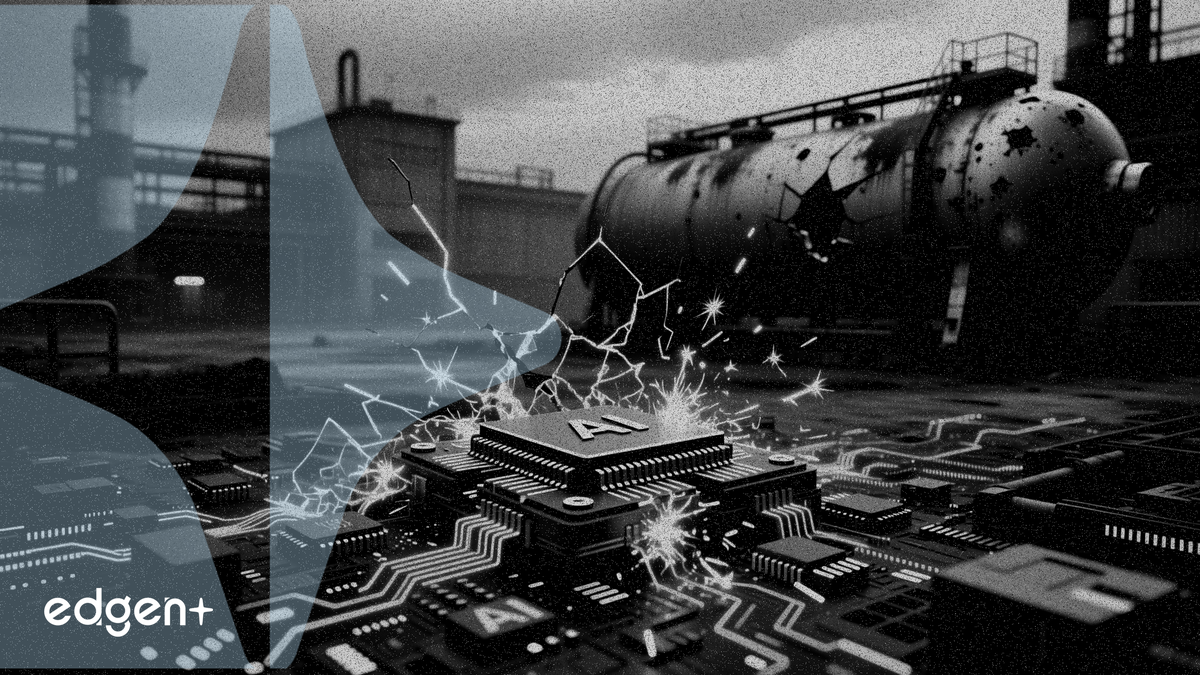
(P1) A sudden halt in helium production from Qatar threatens to derail the semiconductor industry's growth trajectory, with impacts expected to ripple through the artificial intelligence sector for at least two years. The damage to Qatari extraction infrastructure, reported on April 18, 2026, has effectively removed a critical supplier from a market with no viable alternatives for the element.
(P2) "This is a supply-side shock with no easy fix, creating a multiyear headwind for the entire semiconductor value chain," said David Miller, a supply chain analyst at TechSource Dynamics. "Foundries can't build chips without helium, and you can't build a new helium plant overnight. The market has not priced in the duration of this outage."
(P3) The crisis stems from helium's unique role in the chip manufacturing process, specifically in cooling the super-conductive magnets used in lithography and creating the inert atmosphere required for wafer production. There is no substitute element with a comparable boiling point of -269°C, making it indispensable for the advanced photolithography machines produced by firms like ASML. The damage to Qatar's facilities, a major global producer, will create production bottlenecks and increase manufacturing costs for foundries like TSMC and Samsung.
(P4) For investors, the helium shortage introduces a significant new risk for AI-related stocks that have seen valuations soar. Companies from Nvidia and AMD, which design the chips, to the foundries that build them, now face the prospect of production cuts and margin compression. The potential for downward earnings revisions across the sector is high, challenging the prevailing bullish narrative that has driven AI stocks for the past 18 months.
Supply Chain Under Pressure
The semiconductor supply chain, already tested by past disruptions, now confronts a raw material crisis with limited buffers. While some industrial gas suppliers like Air Products and Chemicals (APD) and Linde (LIN) have diversified sourcing, Qatar's exit from the market creates a structural deficit. This will likely trigger a scramble for available supply, driving up costs that will ultimately be passed on to chip designers and their customers.
The situation puts a spotlight on the fragility of the globalized tech economy, where the failure of a single infrastructure point can have cascading effects. For AI companies, which rely on a constant supply of cutting-edge chips to train and run their models, a prolonged semiconductor shortage could slow the pace of innovation and deployment, impacting revenue growth for the foreseeable future.
This article is for informational purposes only and does not constitute investment advice.