
SpaceX's orbital data center plan is "inevitable" as terrestrial AI compute capacity runs into physical limits, a16z's David George said.
SpaceX's orbital data center plan is "inevitable" as terrestrial AI compute capacity runs into physical limits, a16z's David George said.
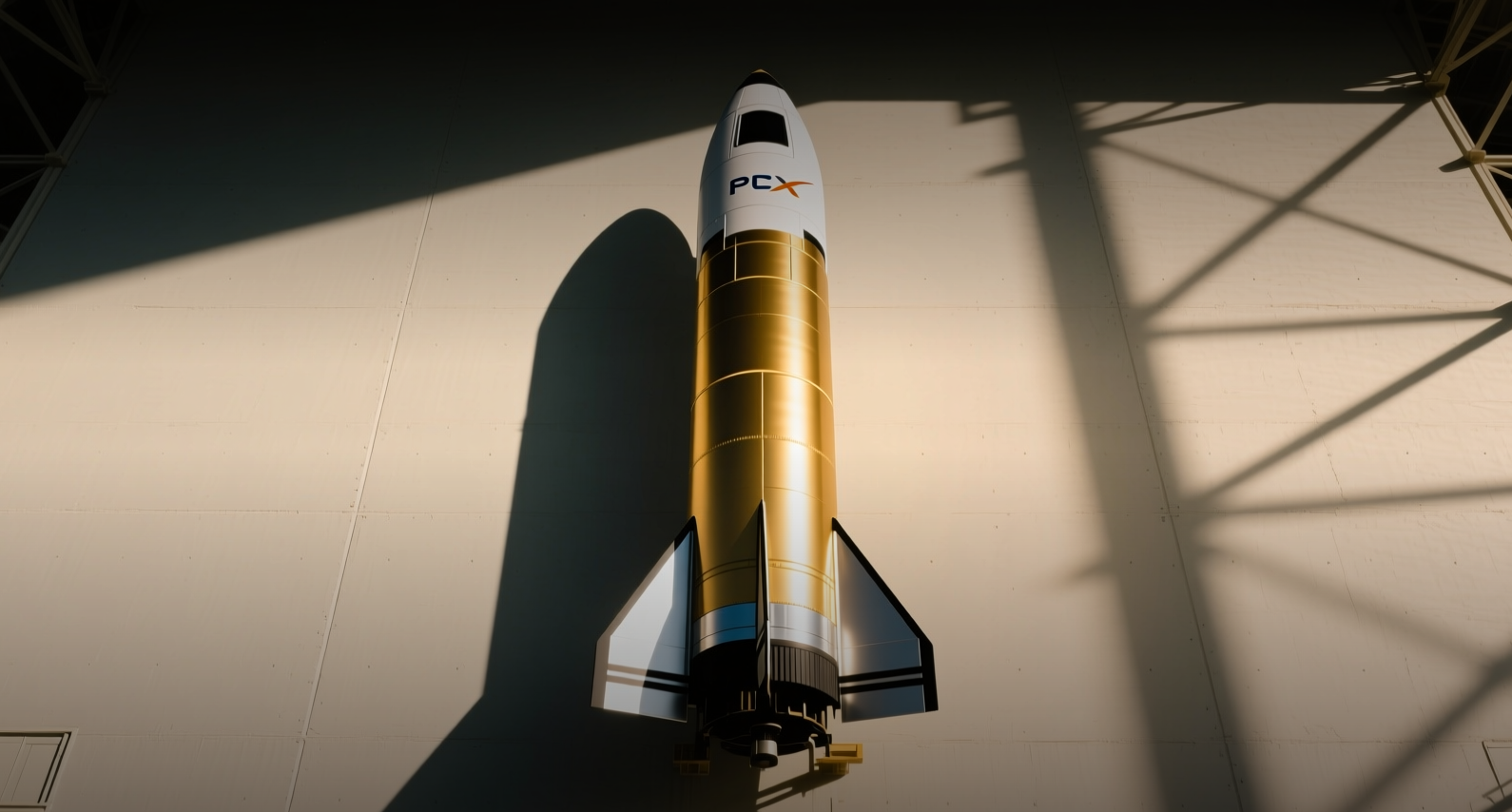
SpaceX's plan to put AI data centers in orbit is "inevitable" as earthbound capacity runs into power and space constraints, according to a16z general partner David George, who argued that Starship's rapid reusability makes orbital compute economically viable.
"Once Starship is operational, expanding AI compute into space is inevitable because terrestrial data center capacity is increasingly constrained," George, a SpaceX investor and general partner at Andreessen Horowitz, said in an interview Wednesday. He described future orbital assets as "GPU racks the size of airplanes in space."
SpaceX has already detailed its first orbital data center design, called AI1, a 70-meter spacecraft carrying as much as 150 kilowatts of peak compute capacity, according to Tom's Hardware. The company has signed a $920 million-per-month compute deal with Google tied to the project. Starship, which cost about $3 billion to develop in 2025, is designed to lift 100,000 kilograms per launch with full reusability — a capability that could slash the cost of deploying hardware in orbit.
The bet on orbital compute comes as global AI data center demand outstrips available power and real estate. Morningstar's base-case valuation for SpaceX shares is $63, but its "moonshot" scenario — assuming orbital data centers work at scale — values the stock at $169, implying a potential $100 billion-plus swing in market value depending on the technology's success. SpaceX shares currently trade at about $201.
The Cost Debate — Chips vs. Power
The economic case for orbital data centers hinges on whether free solar power in space offsets the enormous cost of launching and maintaining hardware. Masayoshi Son, founder of SoftBank Group, dismissed the idea at his company's shareholder meeting, arguing that electricity accounts for only about 7% of AI infrastructure operating costs, while chips and other hardware make up the rest. "What is the point?" Son said, according to Bloomberg. "What is the benefit of building an AI data center in space?"
George counters that the calculus changes as launch costs fall. SpaceX's Starship, designed for rapid turnaround without costly remanufacturing between flights, could reduce per-kilogram launch expenses to a fraction of current rates. Google's own Project Suncatcher, a satellite-based compute concept, assumes launch costs could fall to $200 per kilogram by the mid-2030s, according to CNBC.
A Divided Industry
The orbital data center debate has split the tech industry's most influential figures. Amazon founder Jeff Bezos, through his Blue Origin rocket venture, has called orbital data centers "very realistic" and predicted "giant gigawatt data centers in space" within 20 years. OpenAI Chief Executive Sam Altman has dismissed the concept as "ridiculous," putting him on Son's side of the divide despite OpenAI's deep ties to SoftBank's $500 billion Stargate infrastructure project.
SpaceX's plan extends beyond data centers. Elon Musk has spoken of launching a constellation of as many as 1 million satellites to function as solar-powered orbital compute nodes, describing it as a first step toward a Type II civilization on the Kardashev scale — a society capable of harnessing the entire energy output of its star.
For investors, the split is a bet on timing, not physics. Engineers broadly agree that solar power and heat radiators function in orbit, as NPR reported. The question is whether falling launch costs and Starship's reusability make orbital compute competitive within years — before the AI race is decided on the ground. SoftBank, which has committed about $65 billion to OpenAI and pledged hundreds of billions more for terrestrial data centers, is betting the timeline favors earthbound infrastructure. SpaceX, now valued at more than $2 trillion after its public debut, is betting the opposite.
This article is for informational purposes only and does not constitute investment advice.
