
OPEC is fracturing at its core as Iraq threatens to follow the UAE out the door, putting oil on course for a sub-$50 crash.
OPEC is fracturing at its core as Iraq threatens to follow the UAE out the door, putting oil on course for a sub-$50 crash.
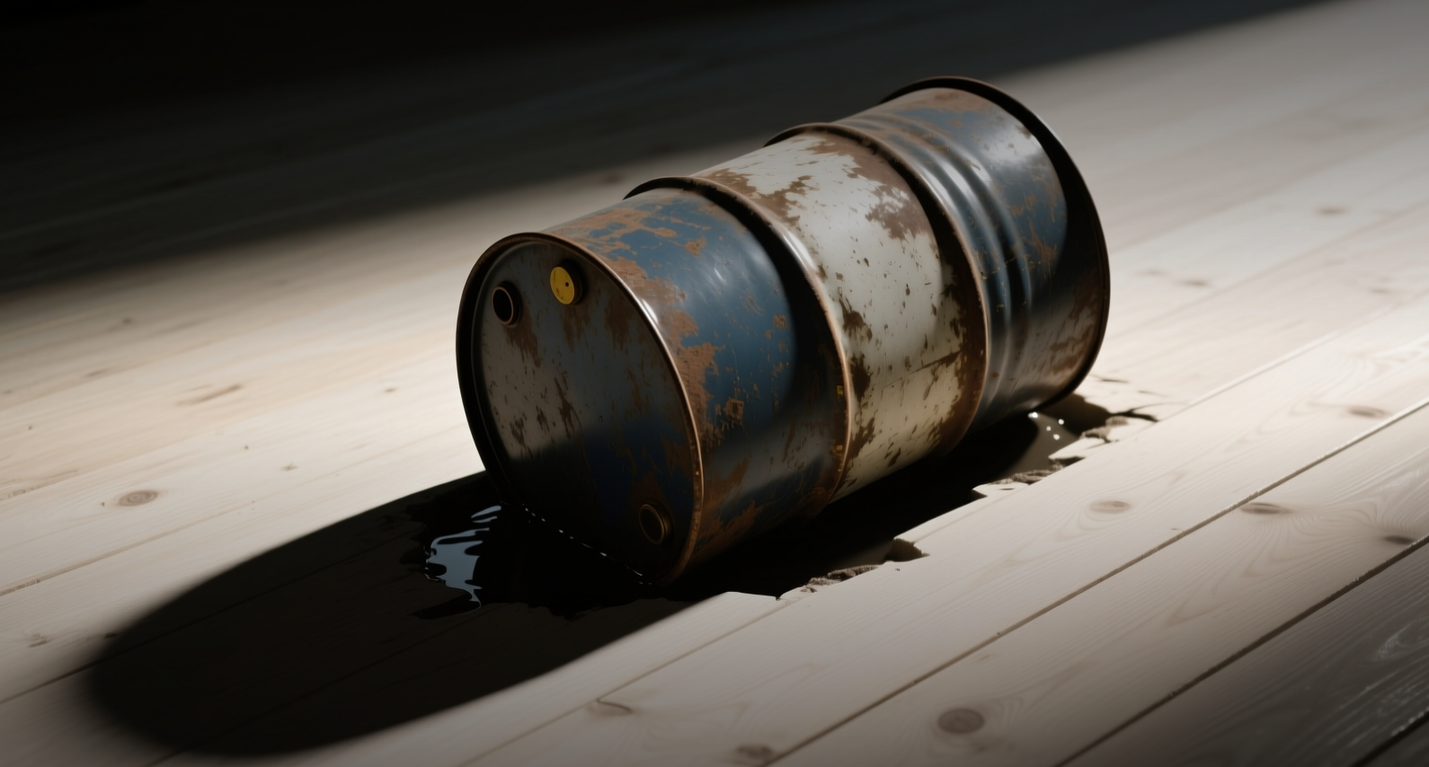
Brent crude has surrendered its wartime gains, sliding to $75 a barrel from a $126 peak in April, as OPEC's internal fractures threaten a supply free-for-all that analysts warn could drive prices below $50.
"If countries race to pump every barrel they can, oil could crash sharply below $50 a barrel — a level not seen since the pandemic," said Robert Yawger, director of energy futures at Mizuho Securities.
The UAE formally exited OPEC on May 1 after 59 years, freeing itself from production quotas. Iraq, the cartel's second-largest producer and a founding member, has warned it will follow unless its 4.378 million barrel-per-day quota is raised. Iraq's output has collapsed to 1.48 million BPD in May from nearly 4.2 million before the Strait of Hormuz blockade, devastating an economy dependent on oil revenue.
The Strait of Hormuz disruption, combined with the US takeover of Venezuelan oil assets and US-Israeli military strikes on Iran, has rendered OPEC's market management largely ineffective. OPEC+ approved three production increases this year, but they are dwarfed by the estimated 1 billion barrels of supply lost since the Persian Gulf conflict began. Saudi Arabia now faces a choice: ramp up output to defend market share as members defect, or watch its influence evaporate.
The cartel's crisis traces to the Strait of Hormuz blockade, which KPMG's US energy head Todd Fowler called "the decisive shock" that disrupted global supply flows and forced nations to tap strategic reserves. The UN's International Maritime Organization paused its evacuation effort Thursday after a vessel was attacked in the Gulf of Oman, highlighting the fragility of the waterway that handles about a fifth of global oil consumption. About 35 million barrels of oil have left the region through the strait since a US-Iran agreement reopened the route, but traffic remains far below the 130-plus ships per day before the war, according to marine tracking firm Kpler.
Iraq's production dilemma
Iraq's new prime minister, Ali al-Zaidi, wants to rebuild the economy and attract foreign investment, targeting output of 7 million BPD in the coming years — far above its current OPEC ceiling. The country's predicament mirrors the UAE's before its exit: billions invested in capacity expansion, yet unable to produce at full throttle under cartel rules. "Complaints within an organization that restricts its members' production are never a good sign," Yawger said.
What a post-OPEC world means for oil stocks
If Iraq leaves, the resulting production surge would pressure prices and squeeze margins for producers that maintain output. But some oil majors stand to benefit. Chevron entered exclusive talks this year to take over operations at Iraq's West Qurna 2 field, one of the world's largest, responsible for 0.5% of global supply and nearly 10% of Iraq's output. ExxonMobil signed an agreement last year to develop the Majnoon oilfield, estimated to hold 38 billion barrels. Both companies would gain greater freedom to ramp up production from Iraqi fields outside OPEC constraints.
The last time oil traded below $50 was during the 2020 pandemic, when demand collapsed. This time, the threat comes from the supply side — a coordinated production cartel fracturing under the weight of its own members' ambitions. With Brent already down more than 40% from its April peak and the Strait of Hormuz reopening still fragile, the risk of a further leg lower is building. Lower oil prices would benefit transportation and manufacturing sectors while hurting energy companies and oil-dependent economies from Riyadh to Baghdad.
This article is for informational purposes only and does not constitute investment advice.
