
Crude prices recovered Thursday after three straight sessions of losses as fading hopes for a quick Strait of Hormuz reopening and fresh Russian supply disruptions revived the geopolitical risk premium.
Crude prices recovered Thursday after three straight sessions of losses as fading hopes for a quick Strait of Hormuz reopening and fresh Russian supply disruptions revived the geopolitical risk premium.
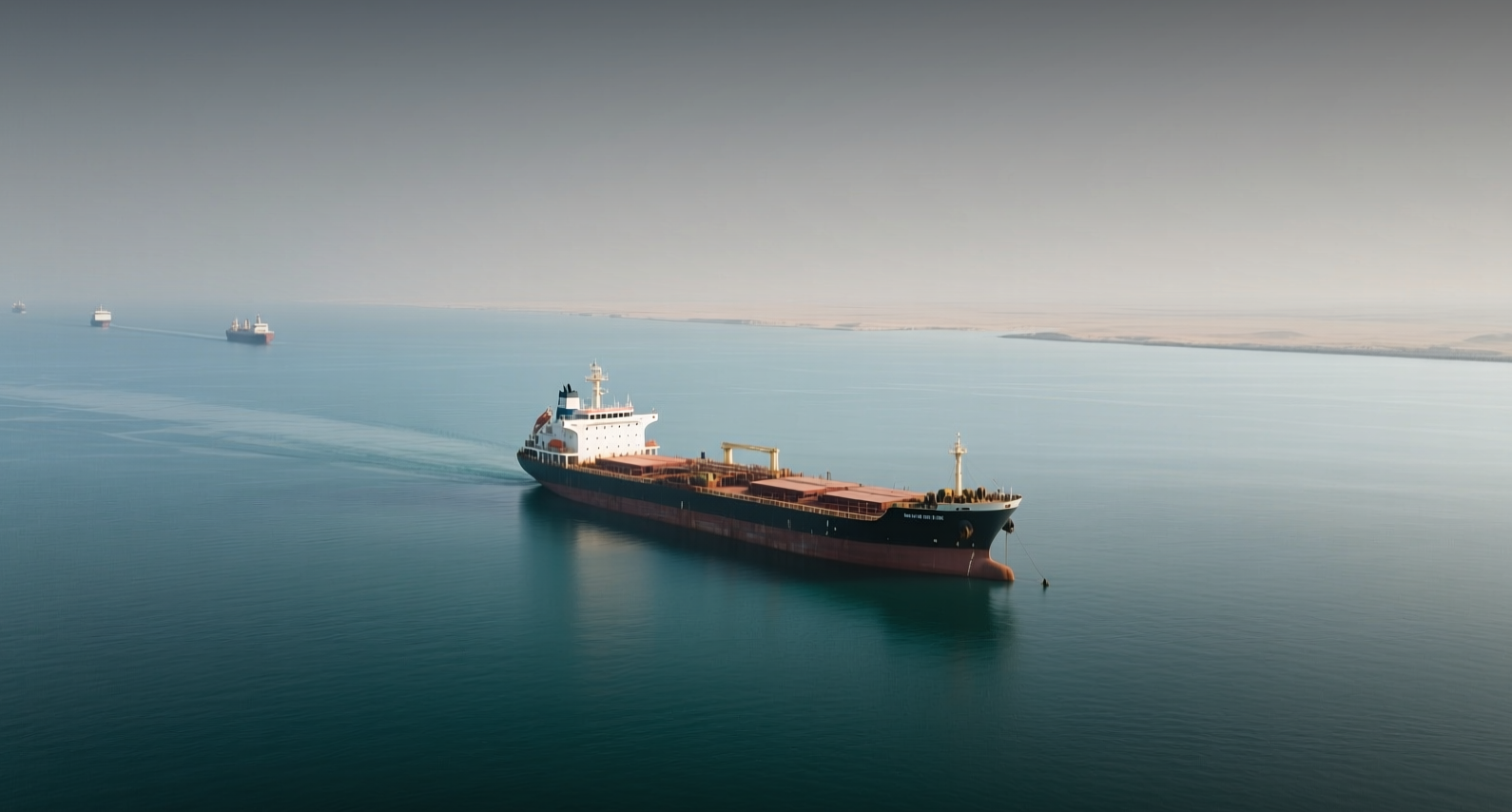
WTI crude rose 0.2 percent to $82.43 a barrel Thursday morning while Brent gained 0.6 percent to $88.40, recovering from sharper overnight declines as traders reassessed the likelihood of a near-term reopening of the Strait of Hormuz.
"There is no scope for negotiations at present," the White House press secretary said, according to Reuters, as Qatar's prime minister traveled to Tehran Thursday in a fresh diplomatic push to de-escalate the nearly six-month U.S.-Israeli conflict with Iran.
WTI had fallen as low as $80.65 earlier Thursday before reversing higher, while Brent touched $86.22. The recovery came after three consecutive sessions of losses, with only five commodity vessels transiting Hormuz as of Aug. 25 compared with a 10-day average of 15, per Reuters. The waterway handled roughly one-fifth of global oil and LNG flows before the conflict began.
A credible agreement restoring Hormuz shipping would strip additional geopolitical risk premium from crude prices, while stalled negotiations could push supply fears back into the market. With the October Brent contract expiring Aug. 28, traders face a compressed window to position for either scenario.
Hormuz Traffic Remains Below Pre-War Norms
Iran and Oman are still working on details of an agreement governing the waterway, while shipping traffic increased slightly Wednesday. Actual tanker traffic remains well below pre-war norms despite the improvement, leaving the market exposed to any breakdown in talks. The last time Hormuz traffic fell to these levels, during the 2019 tanker seizures, Brent spiked more than 20 percent within two months before diplomatic channels restored flows.
The diplomatic picture is complicated by Washington's stance. The White House has said it is not negotiating with Tehran, even as Qatar and Oman push for a framework that would establish a temporary shipping lane through the waterway. Japan has begun diversifying crude supplies and backing pipelines that bypass Hormuz, while Saudi Aramco is offering more oil outside the waterway with some cargoes heading to China. OPEC+ has lost market sway in the Iran war as China gains influence, according to recent analysis.
The market's sensitivity to Hormuz headlines was on full display this week. When Iran and Oman announced a proposal for a temporary shipping lane Tuesday, U.S. crude futures extended losses in post-market trading. But the White House's rejection of negotiations Wednesday reversed that trajectory, pushing prices back up as traders repriced the probability of a swift resolution.
Inventories and Russian Supply Add Support
U.S. inventories are providing additional support. Wednesday's EIA report showed crude stocks increased by only 95,000 barrels, well below the roughly 597,000-barrel increase analysts had expected. That smaller-than-expected build indicates the U.S. market is not experiencing a major oversupply despite recent price pressure.
Russian supply risks are another factor. The NORSI refinery, Russia's fourth-largest, suspended crude processing following a Ukrainian drone attack, highlighting the continued vulnerability of Russian energy infrastructure. Potential U.S. sanctions on Russia could introduce further uncertainty to global energy supplies.
The combination of restricted Hormuz flows, resilient U.S. demand, and Russian supply disruptions has kept the geopolitical risk premium embedded in crude prices. Energy-focused ETFs have drawn renewed interest as investors seek exposure to the supply-constrained environment. If negotiations stall, oil prices could push higher; if a credible agreement restores Hormuz shipping, the premium would be stripped quickly.
The broader market implications extend beyond crude. Higher oil prices feed into inflation expectations, which could influence central bank policy decisions in the coming months. For energy producers, the current environment supports elevated cash flows and capital returns, though the sustainability of these conditions depends on the trajectory of Hormuz negotiations.
This article is for informational purposes only and does not constitute investment advice.
