
Jensen Huang's $50-60 billion valuation of a 1-gigawatt data center is giving neocloud providers like Nebius leverage to demand larger customer prepayments, easing the capital burden of AI infrastructure buildouts.
Jensen Huang's $50-60 billion valuation of a 1-gigawatt data center is giving neocloud providers like Nebius leverage to demand larger customer prepayments, easing the capital burden of AI infrastructure buildouts.
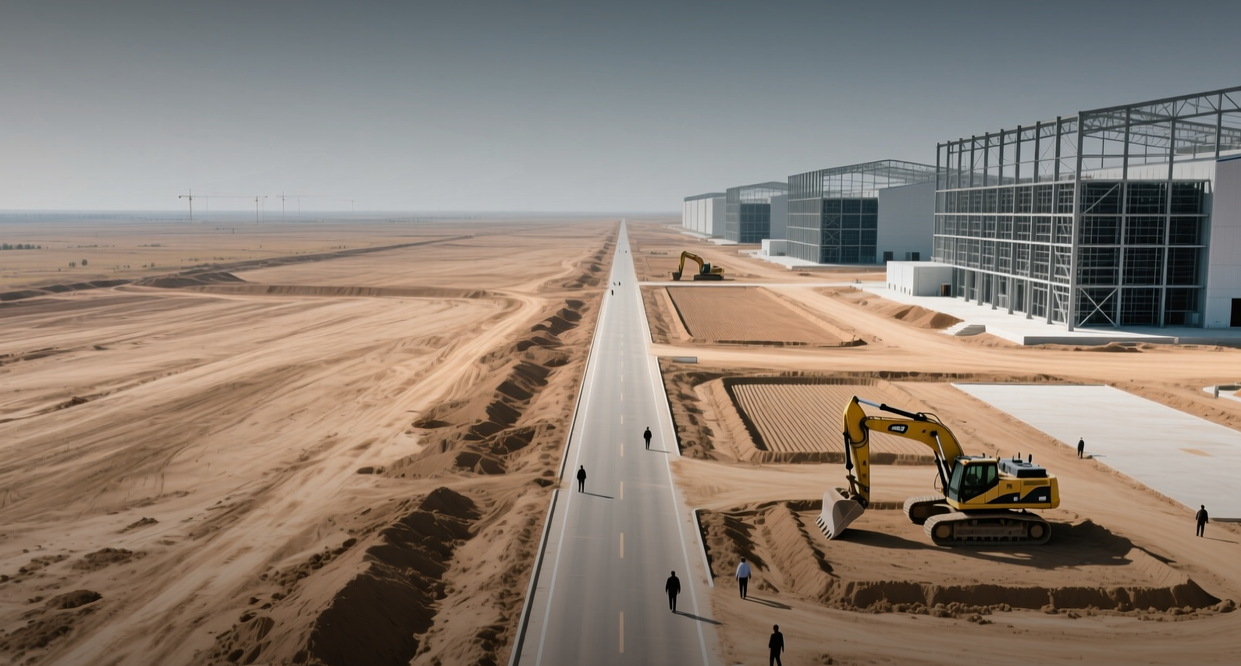
A price tag from the world's most valuable chipmaker is reshaping how neocloud providers fund their multibillion-dollar construction programs. Jensen Huang, chief executive officer at Nvidia, told the G20 Summit that building a 1-gigawatt data center costs $50 billion to $60 billion, a benchmark that gives operators such as Nebius fresh room to push customers for larger prepayments and shrink the equity they must raise.
"Prepayments can keep up with most of the neocloud's capital expenditures," Dan Roberts, chief executive officer at Iren, said, describing how customer cash is funding construction ahead of revenue.
Nebius reported second-quarter revenue of $582 million, up 454 percent from a year earlier, with annual recurring revenue reaching $3 billion and a target of $7 billion to $9 billion by year-end. The company told investors in its Q2 shareholder letter that the annual contract value of a single megawatt stood at $12 million at the start of the year, that Q2 deals exceeded $20 million per year, and that short-term Q3 negotiations were running above $40 million per megawatt. The escalation tracks Huang's benchmark: as buyers place a higher value on each megawatt, providers can extract more money up front.
The valuation math extends well beyond recurring revenue. Nebius projects five gigawatts of contracted power by the end of 2026, a pipeline that, at Huang's $50 billion to $60 billion per gigawatt, could be worth up to $300 billion once all facilities are complete. That figure does not translate into an immediate $300 billion market cap, but it frames the data centers as assets whose value exceeds the annual recurring revenue they generate.
Prepayments now finance 50 percent to 60 percent of Nebius' capital expenditures, part of the reason the company ended the quarter with an $8 billion cash position. Higher megawatt valuations should push that share higher and reduce the need for shareholder dilution. Iren, whose entire data center portfolio remains unencumbered, could raise billions by borrowing against its facilities, and Nebius holds the same option. GPU-backed financing has been the popular route for both companies, but data center loans serve as an additional funding source if prepayments, realized revenue and chip-backed credit fall short of the buildout bill.
The funding question has been the central bear case for neoclouds, which carry heavy capital costs against thin current earnings. Huang's public price tag gives lenders and customers a reference point for what these facilities are worth, potentially unlocking cheaper debt and fatter prepayments. Nebius shares rose 7.5 percent on the session, while Iren gained 7.3 percent, as investors weighed whether the benchmark shifts the economics of the sector's multibillion-dollar construction programs.
This article is for informational purposes only and does not constitute investment advice.
