
Nvidia's $160 billion increase in memory-related supply commitments and SK Hynix's warning that the chip shortage could last through 2030 point to sustained demand and pricing power for Micron Technology.
Nvidia's $160 billion increase in memory-related supply commitments and SK Hynix's warning that the chip shortage could last through 2030 point to sustained demand and pricing power for Micron Technology.
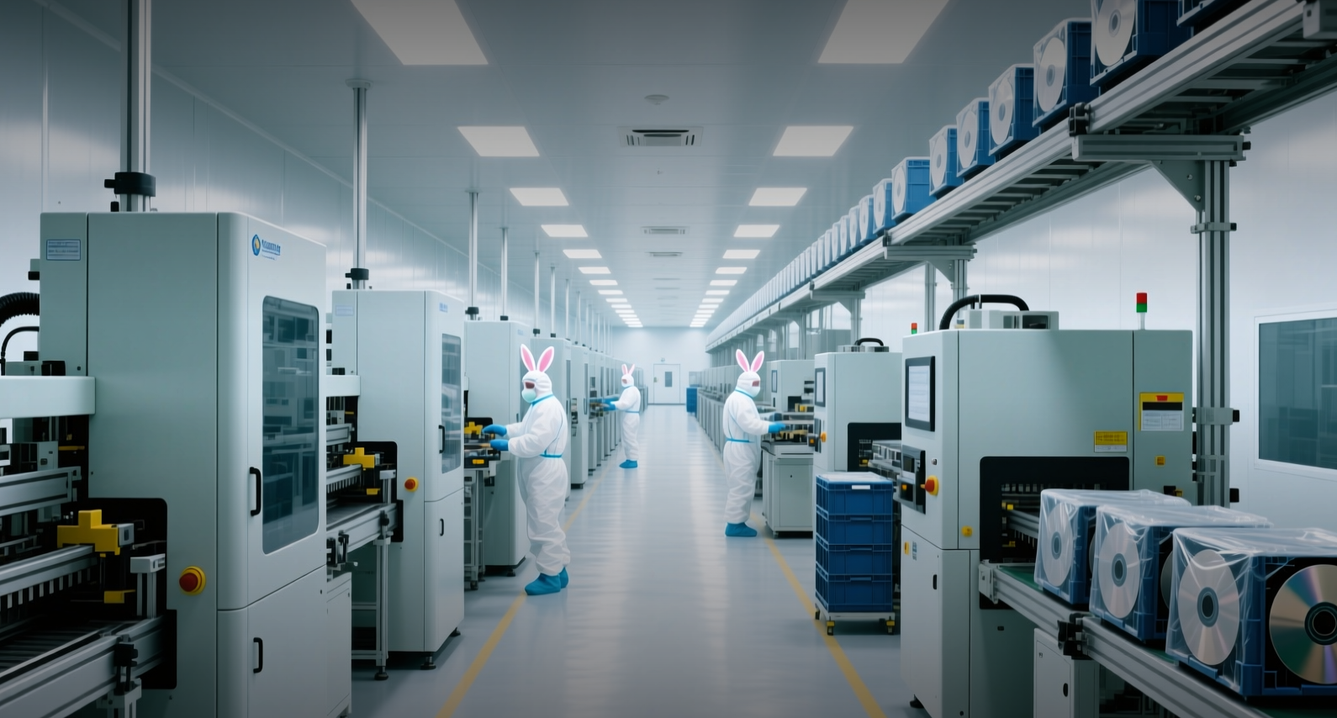
Nvidia's supply commitments jumped $160 billion last quarter, mostly for memory chips, and SK Hynix says the shortage could stretch to 2030 — both pointing to sustained pricing power for Micron Technology.
"We have a really gigantic supply chain, and we have incredible partners, and we've secured a lot of supply, but we just need a lot more," Nvidia co-founder and CEO Jen-Hsun Huang told investors on the Aug. 26 earnings call. Huang said the secured supply supports 70 percent year-over-year revenue growth in fiscal 2028 but still falls short of demand.
Nvidia's total supply commitments rose to $279 billion as of the period ended July 26, up from $119 billion in the prior quarter. CFO Colette Kress attributed the increase primarily to memory procurement in her prepared remarks. Kress described "extreme pricing conditions in memory," saying the "magnitude of the price increase has exceeded our prior expectations and are headed even higher into next year."
SK Hynix CEO Kwak Noh-jung separately said at the groundbreaking for the company's $4 billion Indiana manufacturing facility that the memory supply shortage could last through 2030. The plant is not scheduled to begin mass production until the second half of 2029.
Why Micron stands to benefit
Micron, the third-largest memory supplier behind Samsung and SK Hynix, has been a primary beneficiary of the AI-driven memory boom. Its high-bandwidth memory (HBM) chips are used in Nvidia's GPU systems, and the company's own guidance says tight conditions will "persist beyond calendar 2027."
The long-term supply agreements that Nvidia has signed with memory suppliers give those companies confidence to build new capacity with a guaranteed buyer. For Micron, this reduces the cyclicality that has historically plagued memory chip stocks — guaranteed revenue streams in exchange for locking in prices today.
The shortage has also rippled through the broader AI infrastructure supply chain. Dell Technologies and Hewlett Packard Enterprise have been jockeying with suppliers for more semiconductors, extending wait times for their AI-running enterprise servers. Nvidia's customers building AI data centers include Amazon, Google, and Microsoft, along with national and regional governments.
The risk in elevated expectations
Yet the market's reaction to the recent news has been muted. Micron shares dropped 0.3 percent the day after Nvidia's earnings release and barely moved on SK Hynix's comments. The stock trades at roughly 6 times forward earnings, a multiple that reflects the cyclical nature of the memory business.
The muted response suggests the market already holds an optimistic view of Micron's trajectory. Wall Street consensus has been that supply will catch up to demand by 2028, and Micron's own guidance extends tight conditions beyond calendar 2027. SK Hynix's projection of shortages through 2030 would extend the upcycle well beyond current expectations.
The challenge for Micron shareholders is that expectations are now elevated. Good news has had little effect on the stock price, as seen in late August. The company needs to deliver results that substantially exceed forecasts to move shares higher. Conversely, any indication that the earnings cycle will be weaker or shorter than projected could hit the stock hard, since a shortfall would compress both earnings and the earnings multiple.
Micron's forward earnings multiple of about 6 times looks inexpensive on the surface, but for a cyclical stock, those earnings forecasts carry considerable uncertainty. The company's next earnings report will provide the clearest test of whether the demand outlook from Nvidia and SK Hynix translates into results that justify the market's expectations.
This article is for informational purposes only and does not constitute investment advice.
