

Việc Nvidia gia nhập thị trường vi xử lý PC với siêu chip Arm 1 petaflop đe dọa lật đổ thế độc quyền kéo dài hàng thập kỷ của Intel và AMD.
Việc Nvidia gia nhập thị trường vi xử lý PC với siêu chip Arm 1 petaflop đe dọa lật đổ thế độc quyền kéo dài hàng thập kỷ của Intel và AMD.
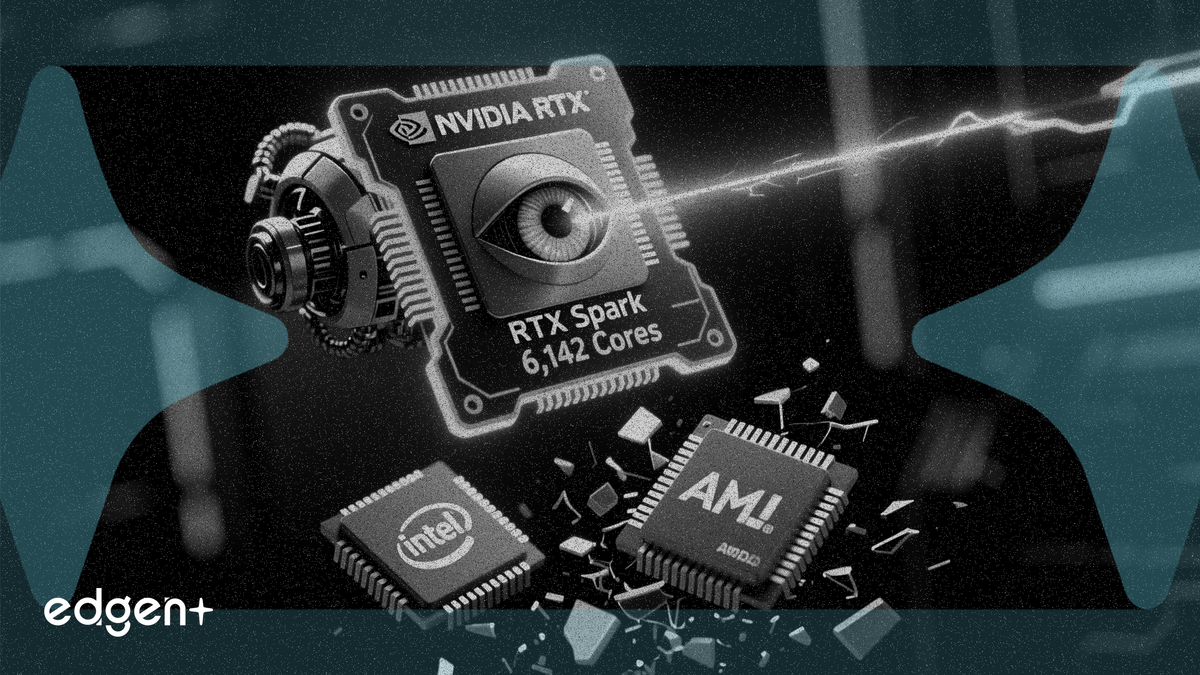
Việc Nvidia gia nhập thị trường vi xử lý PC với siêu chip Arm 1 petaflop đe dọa lật đổ thế độc quyền kéo dài hàng thập kỷ của Intel và AMD.
Nvidia Corp. đã công bố vi xử lý PC đầu tiên của mình, siêu chip RTX Spark, khiến cổ phiếu của Intel Corp. và Advanced Micro Devices Inc. giảm điểm khi gã khổng lồ chip trị giá 3.200 tỷ USD mang sự thống trị trong lĩnh vực AI sang thị trường máy tính cá nhân.
"PC đang được tái phát minh," Jensen Huang, nhà sáng lập kiêm giám đốc điều hành của Nvidia, phát biểu tại triển lãm thương mại Computex ở Đài Bắc. "Trong 40 năm, bạn khởi chạy ứng dụng. Nhấp chuột. Gõ chữ. Với RTX Spark và Microsoft Windows, bạn chỉ cần yêu cầu — và PC sẽ làm công việc còn lại."
Siêu chip này kết hợp bộ vi xử lý trung tâm Grace 20 lõi dựa trên kiến trúc Arm với bộ xử lý đồ họa Blackwell trang bị 6.144 lõi CUDA, được chế tạo trên tiến trình 3 nanomet của TSMC. Chip cung cấp tới 128 gigabyte bộ nhớ hợp nhất và hiệu năng AI 1 petaflop — đủ để chạy các mô hình ngôn ngữ lớn 120 tỷ tham số trên thiết bị. Nvidia đã phát triển chip này cùng với MediaTek Inc. và tối ưu hóa cho hệ điều hành Windows on Arm của Microsoft Corp.
Động thái này thách thức trực tiếp Intel và AMD, hai công ty đang kiểm soát gần như toàn bộ thị trường vi xử lý PC ngoại trừ dòng máy Mac của Apple Inc. Chỉ riêng doanh thu chip trung tâm dữ liệu của Nvidia trong quý gần nhất đã xấp xỉ tổng doanh thu hàng năm của Intel và AMD cộng lại trong năm ngoái, mang đến cho Nvidia nguồn lực mà không đối thủ tiềm năng nào có thể sánh kịp.
Các máy tính xách tay và máy tính để bàn nhỏ gọn sử dụng RTX Spark sẽ ra mắt vào mùa thu năm nay từ các nhà sản xuất lớn bao gồm ASUS, Dell Technologies Inc., HP Inc., Lenovo Group Ltd., MSI và chính Microsoft. Làn sóng đầu tiên sẽ nhắm vào phân khúc cao cấp, với hơn 30 mẫu máy tính xách tay và 10 cấu hình máy tính để bàn được lên kế hoạch.
Kiến trúc bộ nhớ hợp nhất của chip — được chia sẻ giữa CPU và GPU thông qua giao diện NVLink của Nvidia — đánh dấu sự khác biệt so với thiết kế PC truyền thống, nơi bộ xử lý và card đồ họa duy trì các bộ nhớ riêng biệt. Điều này cho phép các mô hình AI hoạt động ở quy mô có thể làm quá tải các hệ thống thông thường, Nvidia cho biết.
Khối lượng công việc chơi game và sáng tạo
Nvidia cho biết RTX Spark có thể chạy các tựa game AAA mới nhất ở độ phân giải 1.440p với tốc độ trên 100 khung hình mỗi giây khi bật dò tia và kết xuất thần kinh DLSS 4.5. Đối với các chuyên gia sáng tạo, chip hỗ trợ chỉnh sửa video 12K, kết xuất cảnh 3D 90 gigabyte với OptiX, và chạy Adobe Inc.'s Photoshop và Premiere Pro với các tính năng AI tăng tốc GPU. Theo Nvidia, Adobe đã tái cấu trúc một số công cụ chính để chạy gốc trên nền tảng này, sử dụng bộ nhớ hợp nhất và TensorRT để tăng tốc các tính năng tạo sinh và mở rộng dựa trên Firefly lên tới 2 lần.
Intel và AMD đối mặt với đối thủ mới
Intel và AMD đang đối mặt với một đối thủ hoàn toàn khác so với những gì họ từng gặp trên thị trường PC. Vốn hóa thị trường của Nvidia khoảng 3.200 tỷ USD vượt xa mức 85 tỷ USD của Intel và 210 tỷ USD của AMD. Riêng mảng kinh doanh trung tâm dữ liệu của Nvidia đã tạo ra 35,6 tỷ USD trong quý tài chính gần nhất, vượt qua tổng doanh thu năm 2025 của Intel là 53,1 tỷ USD và của AMD là 25,8 tỷ USD.
Qualcomm Inc., công ty đã quảng bá chip Snapdragon X cho máy tính xách tay Windows on Arm hơn một năm qua, cũng phải đối mặt với sự cạnh tranh mới. Nvidia cho biết họ đã làm việc với Microsoft trong nhiều năm để tối ưu hóa Windows cho nền tảng Arm của mình và hơn 100 nhà cung cấp phần mềm — bao gồm Adobe, Blender, Riot Games và Epic Games — đã cam kết hỗ trợ Arm gốc.
Đối với các nhà đầu tư của Nvidia, việc thâm nhập thị trường PC bổ sung thêm một động lực tăng trưởng mới cho một công ty vốn đã tăng trưởng nhanh hơn bất kỳ nhà sản xuất chip lớn nào khác. Cổ phiếu Nvidia trong năm nay vẫn tụt hậu so với Chỉ số Bán dẫn Sở Giao dịch Chứng khoán Philadelphia mặc dù ghi nhận mức tăng trưởng doanh thu ba con số, cho thấy thị trường có thể chưa định giá đầy đủ cơ hội từ mảng PC. Ngược lại, các cổ đông của Intel và AMD hiện phải đối mặt với một đối thủ giàu tiềm lực với thành tích đã được chứng minh trong việc phá vỡ các thị trường đã được thiết lập từ lâu.
Bài viết này chỉ mang tính chất tham khảo và không cấu thành lời khuyên đầu tư.
