

Nvidia and SK Group are committing more than $500 billion to build AI data centers and develop next-generation memory, the companies said July 24.
Nvidia and SK Group are committing more than $500 billion to build AI data centers and develop next-generation memory, the companies said July 24.
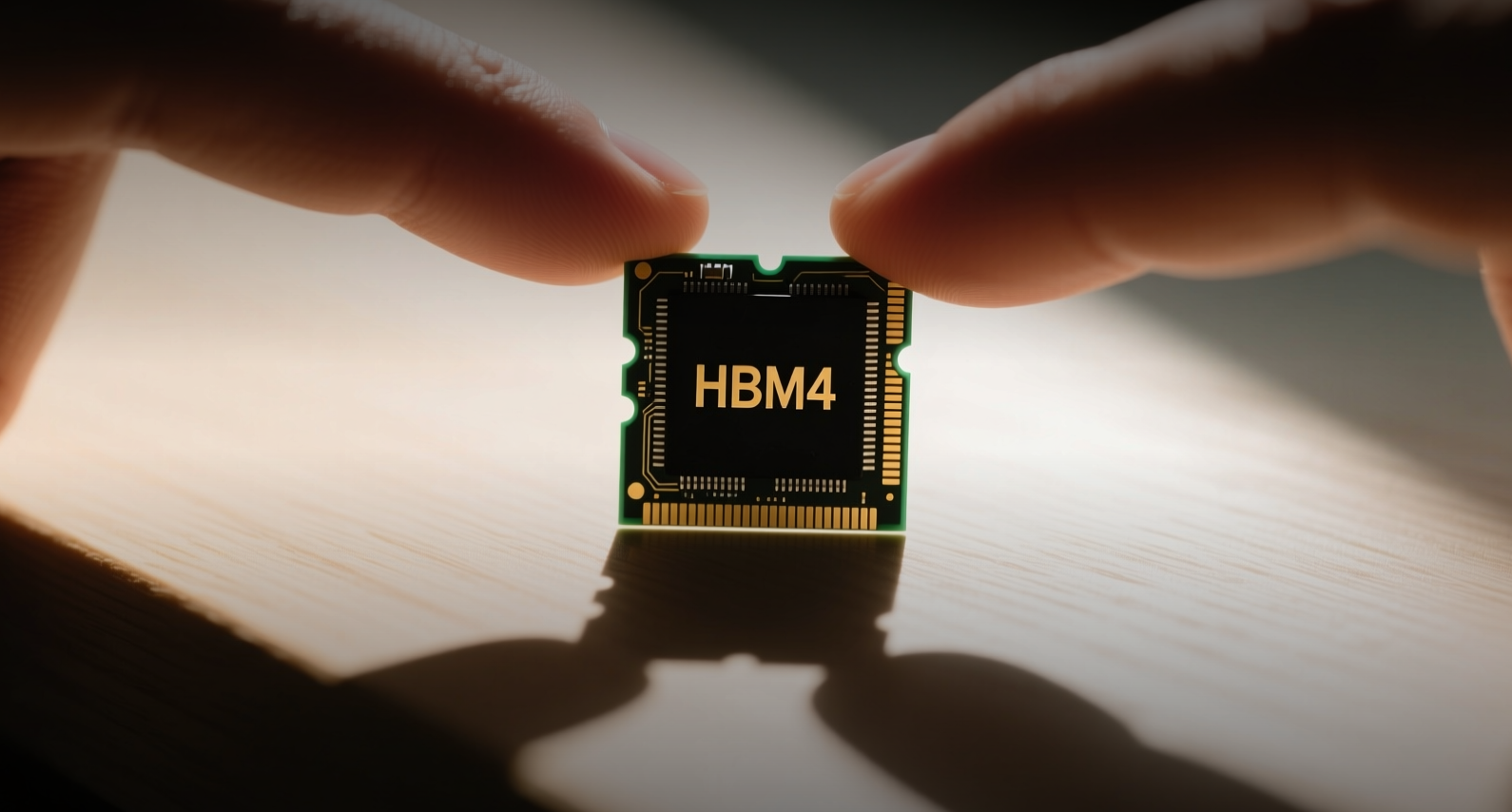
Nvidia and SK Group's more than $500 billion joint initiative spanning AI data centers and next-generation memory tightens a partnership that already controls the two most constrained inputs in AI computing: graphics processors and high-bandwidth memory.
The scale of the commitment reflects a shared view that AI computing demand will outpace current infrastructure buildout, according to a joint statement from the companies. SK Hynix, SK Group's chip unit, has been Nvidia's primary supplier of high-bandwidth memory since the HBM3 generation.
The initiative covers two tracks: large-scale AI data centers to be developed jointly, and a next-generation memory partnership centered on HBM4, the successor to the HBM3E standard used in Nvidia's current Hopper and Blackwell architectures. SK Hynix has already been selected as the lead development partner for HBM4, which is expected to enter production next year.
The $500 billion-plus figure — spanning multiple years, geographies, and project types — would rank among the largest corporate investment pledges in technology history. Nvidia's data center revenue reached $75.2 billion in its most recent quarter, up 92% from a year earlier, while SK Hynix has posted record operating profits on HBM sales. The commitment shows that both companies expect the AI infrastructure cycle to run for years, not quarters.
Memory Becomes the New Battleground
The memory component of the partnership addresses what has become the most persistent bottleneck in AI server production. High-bandwidth memory — which sits directly alongside the GPU to feed data at speeds measured in terabytes per second — has been in short supply for three consecutive generations. SK Hynix controls roughly half the HBM market, with Samsung Electronics and Micron Technology splitting the remainder, according to industry estimates.
HBM4, the next-generation standard, is expected to double memory bandwidth over HBM3E while reducing power consumption per bit. SK Hynix began sampling HBM4 earlier this year and plans volume production in 2026, aligning with Nvidia's Rubin architecture ramp. The partnership effectively locks in supply for Nvidia's next two chip generations, mirroring the multi-year memory deal the company signed with SK Hynix earlier this year.
Sovereign AI Adds a Third Demand Vector
The data center portion of the initiative comes as governments and industrial consortia emerge as a new category of AI infrastructure buyer. Japan's Noetra project, announced this week, plans to deploy 27,500 Nvidia Rubin GPUs and 13,750 Vera CPUs in a 140-megawatt AI factory backed by 44 Japanese enterprises including Sony Group, SoftBank, NEC, and Honda. Construction is expected to begin in April 2027, with operations starting in June 2028.
Nvidia's customer base has already begun shifting. Hyperscalers accounted for about half of the company's $75.2 billion in data center revenue last quarter, with the remainder coming from AI clouds, industrial enterprises, and sovereign customers. Three direct customers represented 21%, 17%, and 16% of total sales, according to Nvidia's most recent quarterly filing. The SK Group initiative and similar sovereign projects could reduce that concentration over time.
For investors, the $500 billion commitment reinforces a demand thesis that extends beyond the largest US cloud providers. Nvidia shares trade at roughly 35 times forward earnings, a premium that reflects expectations that AI infrastructure spending will compound for years. The SK Group deal, combined with the $1.5 billion prepayment to Amkor Technology for Arizona packaging capacity announced this week and the Japan sovereign project, suggests Nvidia is securing supply across every layer of its production chain — foundry, memory, packaging, and assembly.
The risk is execution. The $500 billion figure covers multi-year, multi-project commitments whose timing, phasing, and final scope remain undefined. Investors will watch for concrete milestones — first data center groundbreaking, HBM4 qualification dates, and revenue contribution from sovereign deals — before pricing the full value into the stock.
This article is for informational purposes only and does not constitute investment advice.
