

Key Takeaways:
- The European Commission approved Novartis's Itvisma for broad SMA population
- Itvisma is the first gene replacement therapy authorized in the EU for this group
- The STEER study showed a 2.39-point improvement sustained over 52 weeks
Key Takeaways:
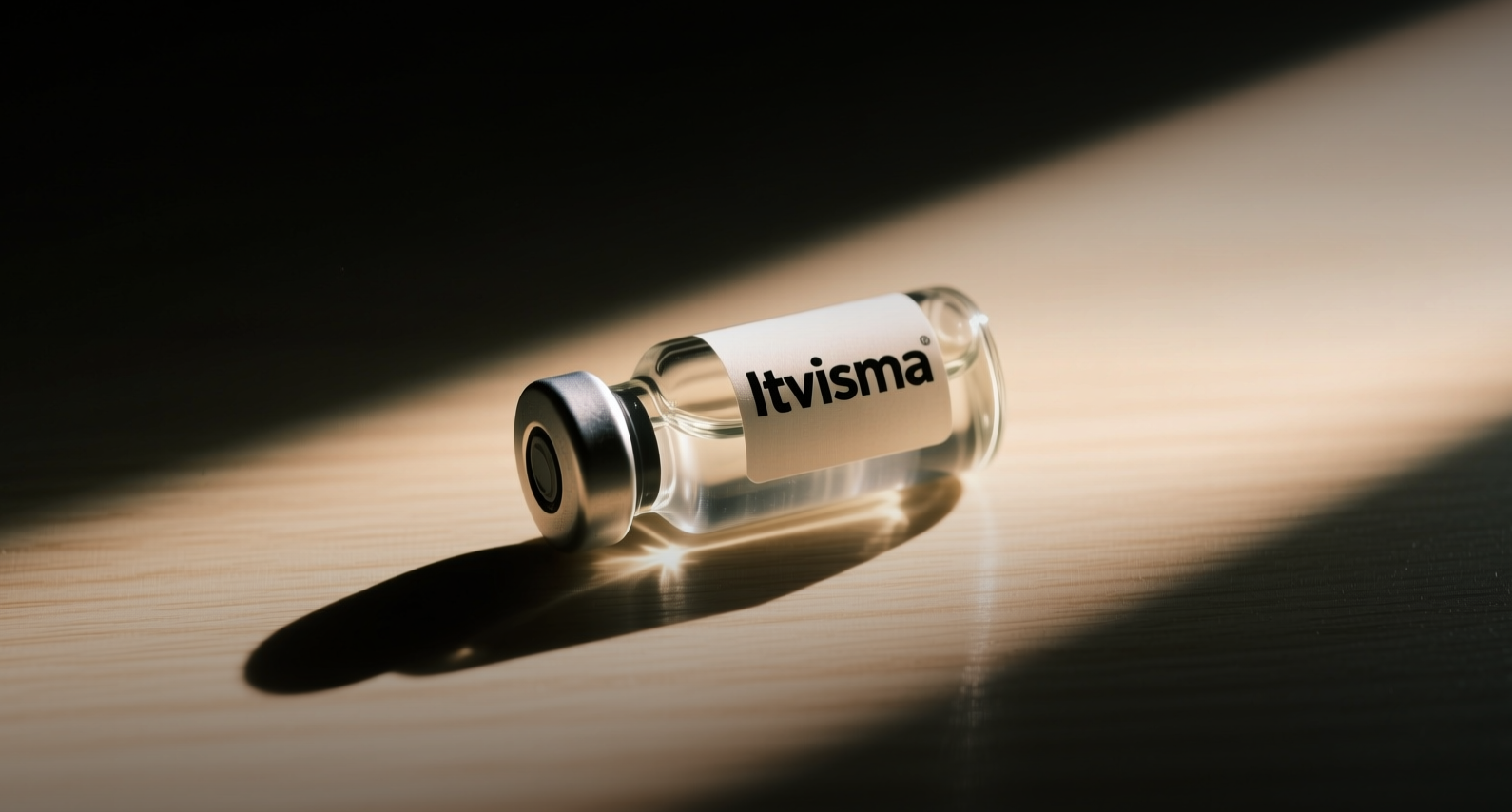
The European Commission approved Novartis AG's Itvisma (onasemnogene abeparvovec) for children aged two years and older, teens and adults with 5q spinal muscular atrophy, making it the first gene replacement therapy authorized in the European Union for this broad patient population.
"It brings the prospect of a new treatment option closer to people and families who are looking for choices that reflect their individual needs and circumstances," Nicole Gusset, chief executive officer of SMA Europe, said.
The approval covers patients with a bi-allelic mutation in the SMN1 gene, the root cause of SMA. Itvisma is a fixed, one-time intrathecal dose designed to replace the faulty gene, offering a distinct alternative from ongoing dosing regimens used with other available therapies. The therapy does not require adjustment for age or body weight.
The decision expands Novartis's addressable SMA population in Europe beyond newborns, who are already eligible for the company's intravenous gene therapy Zolgensma. SMA affects an estimated 1 to 2 per 100,000 people globally, with an incidence of roughly 1 in 10,000 live births.
Clinical data supporting the approval
The EC decision was supported by data from the registrational STEER study and the supportive Phase IIIb STRENGTH and Phase I/II STRONG trials. In STEER, Itvisma demonstrated a statistically significant 2.39-point improvement on the Hammersmith Functional Motor Scale, with effects sustained over 52 weeks of follow-up. Both the STEER and STRENGTH studies showed clinically meaningful benefit for treatment-naive and pre-treated patients.
"Maintaining or improving motor function can make a meaningful difference for older children, teens and adults living with SMA," Professor Jana Haberlova, head of the Neuromuscular Centre at the Department of Paediatric Neurology, Motol and Homolka University Hospital in Prague, said. "The approval of Itvisma in Europe is an important advance because it brings a new gene replacement therapy option to a broader patient population."
The most common side effects included upper respiratory tract infection, pyrexia, vomiting, headache and increased hepatic enzymes, according to the company.
What this means for Novartis
The approval gives Novartis a gene therapy franchise covering SMA patients across all age groups in Europe, from newborns treated with Zolgensma to older children and adults receiving Itvisma. "With Itvisma, we are going further to expand access to a one-time gene replacement therapy for older children, teens and adults — potentially addressing long-standing unmet needs for patients," Patrick Horber, president of International at Novartis, said.
Investors will watch for pricing and reimbursement decisions across individual EU member states, which will determine the therapy's commercial uptake. Novartis holds exclusive worldwide licenses from Nationwide Children's Hospital and REGENXBIO for AAV9 gene therapy delivery for SMA treatment.
This article is for informational purposes only and does not constitute investment advice.
