


Mitsui đang đặt cược vào LNG như nhiên liệu được lựa chọn cho kỷ nguyên AI, nhắm đến các dự án trên ba châu lục.
Mitsui đang đặt cược vào LNG như nhiên liệu được lựa chọn cho kỷ nguyên AI, nhắm đến các dự án trên ba châu lục.
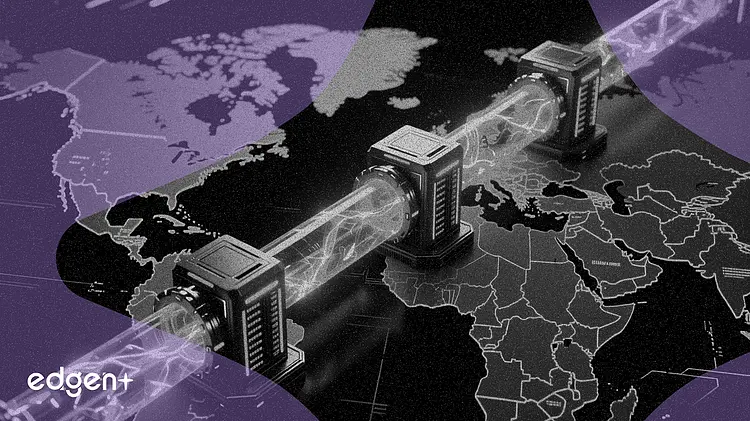
Mitsui đang đặt cược vào LNG như nhiên liệu được lựa chọn cho kỷ nguyên AI, nhắm đến các dự án trên ba châu lục.
Mitsui & Co. đang tìm kiếm cổ phần và thỏa thuận cung cấp trong các dự án LNG trên khắp Trung Đông, Mỹ và Australia để đáp ứng nhu cầu điện tăng vọt từ các trung tâm dữ liệu, CEO Kenichi Hori cho biết.
"Nhu cầu LNG đang bùng nổ khi các công ty tìm kiếm năng lượng sạch để vận hành hạ tầng AI," Hori nói với Bloomberg News trong một cuộc phỏng vấn được công bố hôm thứ Năm.
Tập đoàn thương mại Nhật Bản, nơi Berkshire Hathaway sở hữu 10% cổ phần, đã có lợi ích tại cơ sở xuất khẩu LNG Ruwais của Abu Dhabi National Oil Co. Năm ngoái, họ đã ký một thỏa thuận 20 năm với Venture Global cho 1 triệu tấn LNG mỗi năm và hợp tác với Woodside tại dự án North West Shelf ở Australia, nhà máy LNG lâu đời nhất và lớn thứ hai của nước này.
Nhật Bản, một trong những quốc gia dễ bị tổn thương nhất thế giới trước các gián đoạn nhập khẩu năng lượng, đã tăng cường các nỗ lực ngoại giao và cam kết hàng tỷ yên để giảm nhẹ cú sốc kinh tế từ chiến tranh Iran và việc đóng cửa eo biển Hormuz. Đối với Mitsui, việc thúc đẩy LNG thể hiện một canh bạc rằng nhu cầu cơ cấu từ AI và các trung tâm dữ liệu sẽ duy trì giá khí đốt tự nhiên ngay cả khi quá trình chuyển dịch năng lượng toàn cầu đang tăng tốc.
Mitsui sẽ xem xét việc nắm giữ cổ phần hoặc đảm bảo các thỏa thuận cung cấp trong các công ty LNG và hóa chất khí, Hori cho biết, đồng thời nói thêm rằng công ty muốn "nắm bắt các cơ hội tăng trưởng trong lĩnh vực năng lượng trong khi vẫn thận trọng." Những bình luận này phản ánh sự chuyển dịch chiến lược rộng lớn hơn trong năm tập đoàn thương mại hàng đầu của Nhật Bản, những công ty đang hướng nhiều vốn hơn vào hạ tầng năng lượng khi sự phát triển AI thúc đẩy một bước ngoặt trong tiêu thụ điện năng.
Cơ quan Năng lượng Quốc tế tuần này cho biết chi tiêu cho khí đốt tự nhiên dự kiến sẽ đạt mức cao nhất trong 10 năm vào năm 2026, ngay cả khi đầu tư dầu mỏ suy giảm. Sự phân kỳ này cho thấy niềm tin ngày càng tăng trong các tập đoàn năng lượng lớn rằng khí đốt sẽ đóng vai trò trung tâm trong việc cung cấp năng lượng cho làn sóng nhu cầu công nghiệp tiếp theo, đặc biệt là từ các trung tâm dữ liệu yêu cầu nguồn điện nền hoạt động suốt ngày đêm. Theo ước tính của ngành, tiêu thụ điện của các trung tâm dữ liệu toàn cầu có thể tăng hơn gấp đôi vào năm 2030, tạo ra một động lực nhu cầu cơ cấu cho khí đốt tự nhiên vượt xa cuộc khủng hoảng địa chính trị hiện tại.
Danh mục LNG hiện tại của Mitsui trải dài trên ba khu vực chính. Tại Trung Đông, cổ phần của họ tại cơ sở Ruwais của ADNOC mang lại khả năng tiếp cận các mỏ khí đốt chi phí thấp. Tại Mỹ, thỏa thuận với Venture Global khai thác thị trường xuất khẩu Bờ Vịnh. Và tại Australia, quan hệ đối tác North West Shelf kết nối Mitsui với một trong những trung tâm cung cấp LNG lớn nhất châu Á — một lợi thế quan trọng do sự phụ thuộc của Nhật Bản vào năng lượng nhập khẩu.
Việc thúc đẩy của công ty diễn ra khi việc đóng cửa eo biển Hormuz đã làm gián đoạn nguồn cung năng lượng toàn cầu, đẩy giá dầu thô và LNG tăng mạnh. Đối với Nhật Bản, quốc gia nhập khẩu gần như toàn bộ nhu cầu năng lượng, cuộc khủng hoảng đã làm nổi bật tầm quan trọng chiến lược của việc đa dạng hóa các nguồn LNG. Cách tiếp cận đa khu vực của Mitsui — trải dài trên Trung Đông, Bắc Mỹ và Australia — được thiết kế để giảm thiểu rủi ro nguồn cung đồng thời nắm bắt cơ hội tăng trưởng từ nhu cầu do AI thúc đẩy.
Chiến lược đầu tư LNG cũng phù hợp với quá trình tái cấu trúc rộng lớn hơn của ngành hàng hóa Nhật Bản. Mitsubishi Corp., một tập đoàn thương mại hàng đầu khác của nước này, đã công bố kế hoạch trong tuần này để tách mảng kinh doanh hóa dầu của mình, động thái mới nhất trong một loạt các bước nhằm hợp lý hóa hoạt động và tập trung vào các lĩnh vực tăng trưởng cao hơn. Sự xoay trục của Mitsui hướng tới LNG và hạ tầng năng lượng phản ánh xu hướng này, khi các tập đoàn thương mại Nhật Bản tìm cách tái phân bổ vốn từ các mảng kinh doanh hàng hóa trưởng thành sang các tài sản gắn liền với chủ đề AI và chuyển dịch năng lượng.
Bài viết này chỉ nhằm mục đích cung cấp thông tin và không cấu thành lời khuyên đầu tư.
