

Memory chip stocks rebounded sharply this week as renewed confidence in AI infrastructure spending reversed a July selloff that had erased months of gains.
Memory chip stocks rebounded sharply this week as renewed confidence in AI infrastructure spending reversed a July selloff that had erased months of gains.
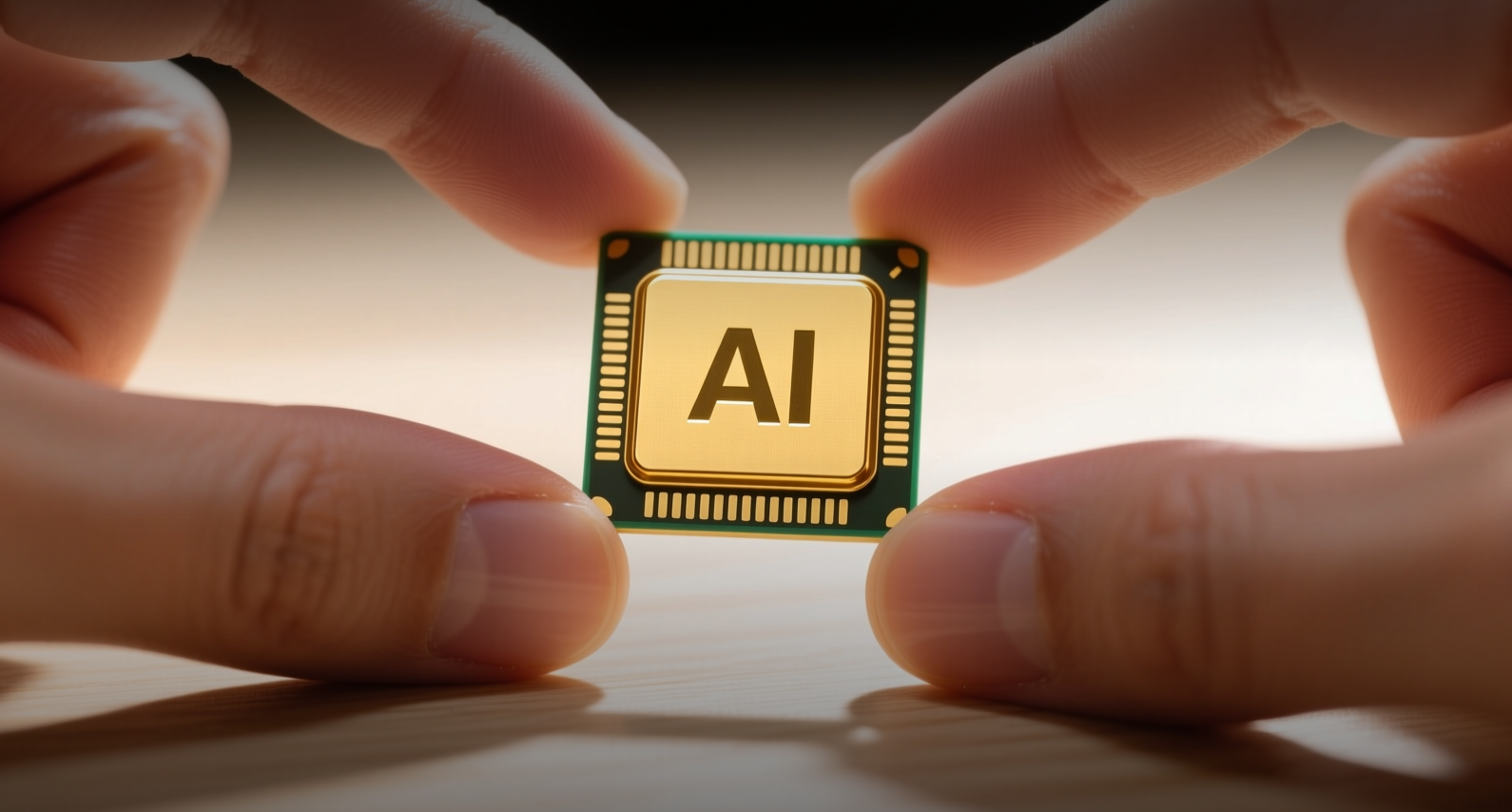
Micron Technology shares jumped nearly 18 percent on July 30, leading a broad memory-chip rally that lifted Sandisk and peers as investors returned to AI infrastructure plays after a week of steep losses.
"Greed has turned into fear for AI-related semiconductor stocks," Vey-Sern Ling at Union Bancaire Privee said during the selloff. "Investors are now interpreting every piece of news negatively and using it as an excuse to sell, rather than critically analyzing the true fundamental impact."
The reversal came after Microsoft reported stronger-than-expected quarterly results with accelerating Azure growth, while Lam Research posted upbeat earnings and guidance. Micron exceeded Wall Street expectations for both earnings and revenue, issuing stronger-than-expected guidance citing strong demand for AI memory products and continued strength in DRAM pricing.
The rally signals that the AI memory supercycle remains intact despite July's correction. SK Hynix, the world's second-largest memory maker, is scheduled to report second-quarter results on July 29 with analysts expecting revenue of around 84 trillion won, while China's CXMT — which surged 465 percent on its Shanghai debut — raised about $8.5 billion to fund capacity expansion.
Earnings Validate the AI Memory Thesis
Micron's beat and guidance, combined with Microsoft's Azure acceleration and Lam Research's upbeat outlook, provided the fundamental confirmation investors needed after weeks of profit-taking and valuation concerns. The Direxion Daily MU Bull 2X ETF (MUU), which seeks to deliver twice Micron's daily return, jumped 38 percent on July 30 even as it remained down roughly 50 percent from its June peak. The fund is still up about 400 percent year to date and roughly 2,480 percent over the past year, showing the magnitude of the AI memory boom.
Morgan Stanley and Mizuho analysts characterized the recent weakness in memory-chip stocks as a buying opportunity rather than the beginning of a longer-term downturn. SK Hynix shares jumped 6.2 percent in pre-market trading to $164.20, while Samsung Electronics rose 1.80 percent and SK Hynix gained 3.24 percent in Seoul trading. The sector also received a boost from South Korea's $950 billion package of AI initiatives announced over the weekend, involving Samsung, SK Group and several U.S. technology companies.
China's CXMT Reshapes the Competitive Map
The rally unfolded against a backdrop of intensifying competition from China. CXMT, formerly ChangXin Memory Technologies, surged 465 percent on its Shanghai debut on July 27, closing at RMB 49.01 from an IPO price of RMB 8.66. The flotation raised about $8.5 billion, making CXMT the largest stock in mainland China with a market capitalization of $485 billion.
Nomura's CXMT analyst Donni Teng set a price target of RMB 116, citing the global supply-demand imbalance, capacity expansion and average selling price hikes. CXMT plans to increase wafer capacity from around 350,000 per month at the end of this year to 500,000 by December 2028, compared with SK Hynix's 550,000 and Samsung's 650,000-700,000.
The competitive pressure has been felt across the sector. Kioxia Holdings cratered over 18 percent on July 28 as CXMT's debut fueled concerns about a shift in the global memory chip supply chain. Nikon and Tokyo Electron tumbled about 11 percent after reports that a Chinese state-backed company had begun mass-producing immersion deep-ultraviolet lithography machines.
For investors, the question is whether the rally marks a durable bottom or a dead-cat bounce. Micron trades at roughly 12 times forward earnings, a discount to its AI peers, while SK Hynix trades at about 5 times. With Nvidia's $750 billion in AI infrastructure deals and hyperscaler capital expenditure continuing to grow, the demand side of the memory equation appears intact. The July correction may have been the market's way of recalibrating expectations after an extraordinary run — but the underlying AI memory demand story remains unchanged.
This article is for informational purposes only and does not constitute investment advice.
