

Micron's $10 billion research lab separates the science that decides what future fabs build from the $250 billion already funding them.
Micron's $10 billion research lab separates the science that decides what future fabs build from the $250 billion already funding them.
Micron's $10 billion research lab separates the science that decides what future fabs build from the $250 billion already funding them.
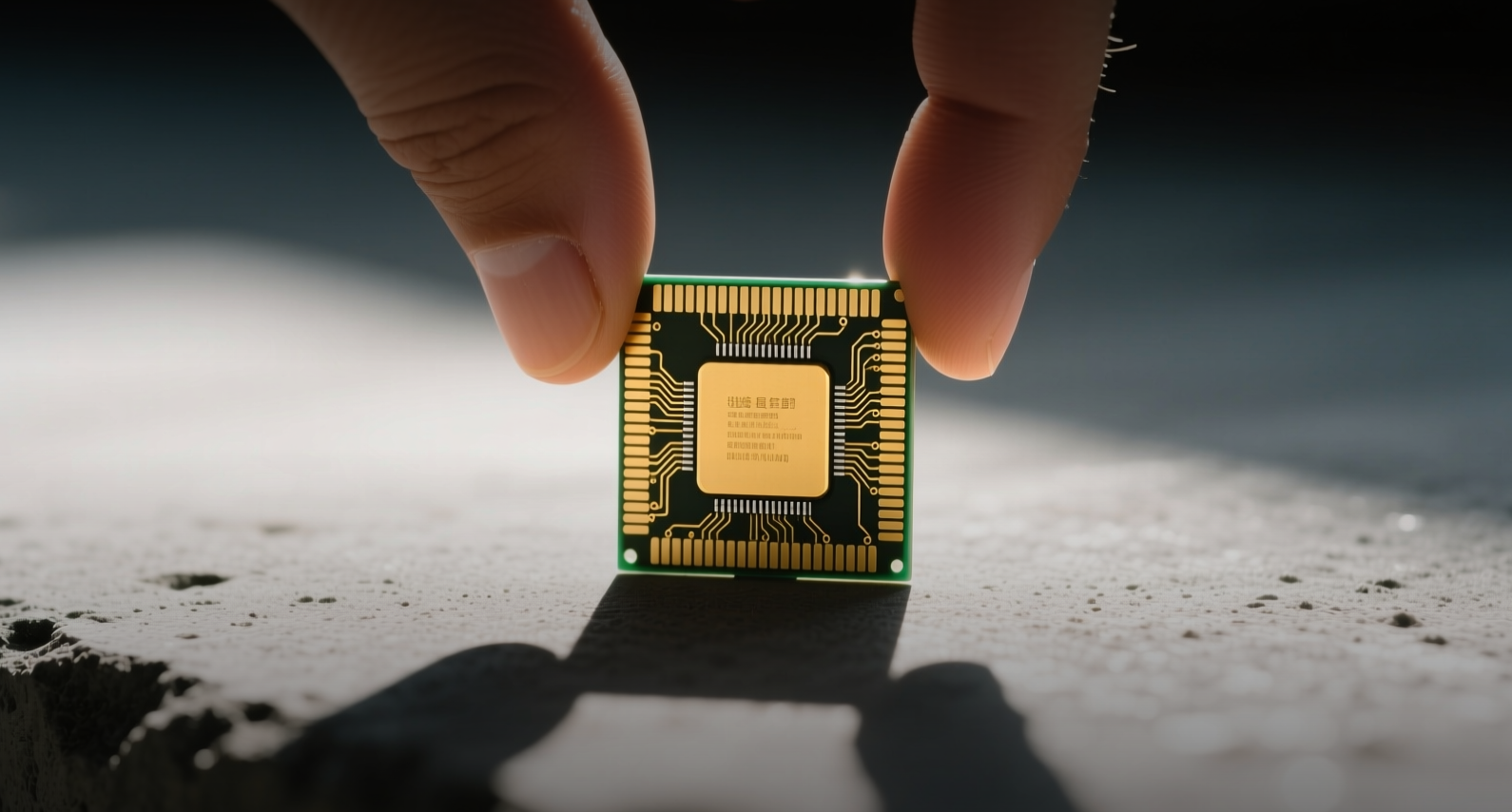
Micron Technology is standing up a U.S.-based research institution in Boise, Idaho, backed by a planned $10 billion investment over the next decade, targeting memory and compute work beyond current technology roadmaps.
"The decisions we make today will determine who leads the AI economy of tomorrow, and America's AI future will be built on American-made memory," Sanjay Mehrotra, chairman, president and CEO of Micron, said.
Micron Research Labs will focus on memory technologies, advanced memory and compute architectures, packaging and future semiconductor manufacturing. The company expects to break ground in calendar 2027 on a flagship Boise facility designed to host hundreds of researchers, with the investment also funding university collaborations, global satellite labs and partnerships across the U.S., Europe, Japan, India, Singapore and Taiwan.
The $10 billion sits on top of more than $250 billion Micron has separately committed to U.S. manufacturing and R&D through 2035, a program spanning two Boise fabs, a Clay, New York megafab and a Virginia expansion expected to create more than 90,000 jobs. The research institution is the layer upstream of those fabs — the work that determines what the next generation of plants will actually produce.
Micron frames the lab as the first dedicated memory research hub of its kind in the U.S., building on 62,000 lifetime patents as the only U.S.-based manufacturer of memory. The company's stated goal is to produce 40 percent of its DRAM in the U.S., with the first Boise fab expected to output wafers in mid-calendar 2027 and the second in late calendar 2028. The Clay, New York megafab poured its first concrete in July.
The competitive stakes are clear. Samsung Electronics and SK Hynix, the other two dominant memory makers, have been riding the same surge in AI infrastructure demand, particularly for high-bandwidth memory that feeds data to AI accelerators. Micron's research push is a bet that the memory architectures of the future — not just faster versions of today's HBM — will decide who captures that market.
The announcement drew support from across the semiconductor supply chain. NVIDIA CEO Jensen Huang said Micron is "reinventing memory technologies and architectures to fuel the next generation of increasingly powerful AI systems," while Apple's Tim Cook pointed to two decades as a memory partner. Equipment makers Applied Materials and Lam Research, research consortium imec, Stanford and UT Austin all signed on, alongside Commerce Secretary Howard Lutnick.
Scott DeBoer, Micron's executive vice president and chief technology and products officer, tied the lab to the company's origins. "For nearly 50 years, from four people in a Boise basement to America's memory leader, Micron has pushed the boundaries of what memory can do," he said. "Micron Research Labs gives that legacy a dedicated home for long-horizon innovation, the kind of research that sits upstream of every product we build."
For investors, the announcement is a long-dated commitment rather than a near-term earnings driver. Micron shares rose 0.66 percent to $943.29 on the day, a modest move that suggests the market has largely priced in the company's U.S. buildout. The research lab's value will be measured in whether it keeps Micron ahead of Samsung and SK Hynix in the memory architectures AI systems will demand a decade from now.
This article is for informational purposes only and does not constitute investment advice.
