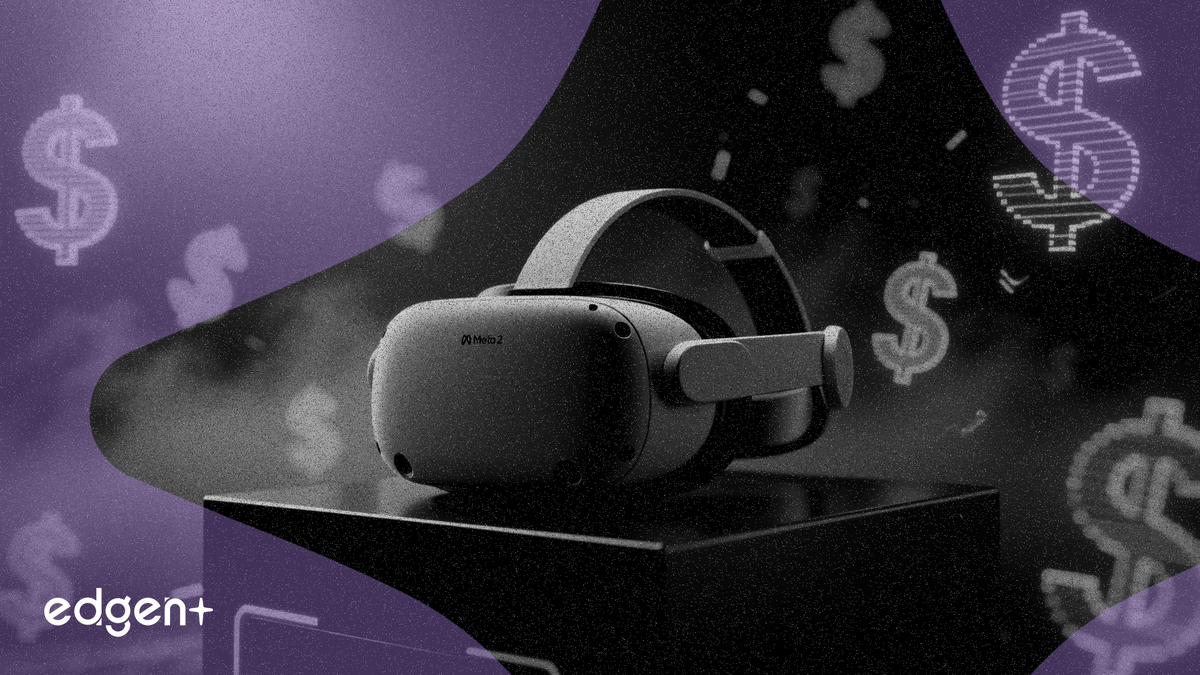
Meta Platforms is raising prices on its Quest VR headsets by up to $100, signaling that cost pressures from the AI-driven memory chip boom are now directly hitting consumer hardware.
"Building high-performance VR hardware has become significantly more expensive," a Meta spokesperson said in a statement. "To continue delivering the quality users expect, we need to adjust our pricing."
Effective April 19, the entry-level Quest 3S will see a $50 increase to $350 for the 128GB model, while the high-end Quest 3 will jump by $100 to a uniform $600. The price hikes will apply across multiple markets, including the US, UK, and Europe. Meta confirmed its smart glasses pricing remains unchanged for now.
The decision could test consumer appetite for VR and potentially slow adoption, impacting Meta's market share. It also raises questions about the long-term priority of its metaverse strategy amid reports of hardware division layoffs and a consumer shift toward smart glasses.
AI Boom Squeezes Hardware Margins
The direct cause for the price hike is a surge in memory chip costs and supply chain shortages, both closely linked to explosive demand from the artificial intelligence sector. This pressure is not unique to Meta. Sony has increased the price of its PlayStation consoles, and Pico's 4 Ultra headset is set for a price increase in Japan this May.
While Apple's high-end Vision Pro maintains its $3,499 price, its initial high cost gives it little room for further increases. The widespread cost pressure highlights the challenge for hardware makers to maintain margins as AI development consumes a growing share of high-performance components. For investors, Meta's move may protect hardware margins but also signals a potential slowdown in the growth of its VR user base, a key metric for its long-term metaverse ambitions.
This article is for informational purposes only and does not constitute investment advice.