
Singapore's Temasek plans its first direct investment in Korean memory giants, sending the sector's US-listed shares up as much as 11%.
Singapore's Temasek plans its first direct investment in Korean memory giants, sending the sector's US-listed shares up as much as 11%.
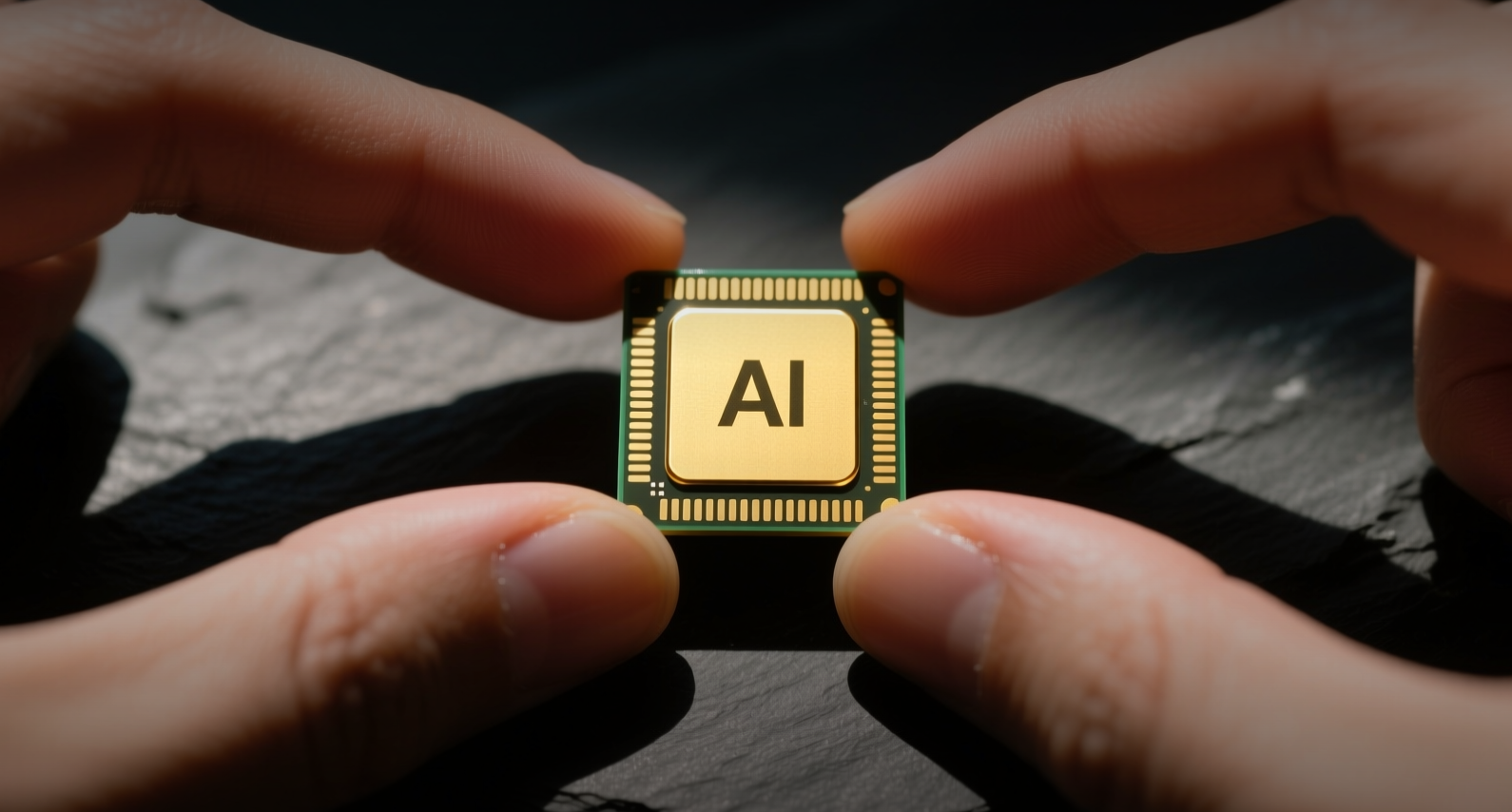
Singapore's Temasek plans its first direct investment in Samsung Electronics and SK Hynix, sending US-listed memory shares up as much as 11% and reigniting the AI infrastructure trade after July's violent reset.
"The renewed momentum in memory stocks reflects a technology sector shift boosted by AI investment," Fundstrat Global Advisors said in a note, as the Kospi entered a technical bull market.
SanDisk led the rally, jumping 10.82%, followed by Western Digital at 8.75%, SK Hynix at 7.50%, Micron at 6.17%, Seagate at 5.00% and Kioxia ADRs at 4.86%. The iShares MSCI South Korea ETF climbed 4.9%, while the Roundhill Memory ETF rose more than 7%.
The move shows the biggest investors are beginning to treat AI memory as a long-term infrastructure asset rather than another short-lived semiconductor cycle, with Temasek aiming to raise AI-related investments from 6% of its portfolio to as much as 15% by 2031.
South Korean outlet The Asia Business Daily reported Wednesday that Temasek has decided to invest in the two chipmakers and has contacted the Korean government to discuss timing. The fund would buy directly through its in-house team rather than hire outside managers. Temasek manages roughly $401 billion across about 630 companies and already holds Nvidia, Taiwan Semiconductor and ASML.
Why Temasek's Move Matters
The timing is particularly important. Temasek said in July that AI-related investments represented 6% of its portfolio. The Singaporean fund wants to raise that share to as much as 15% by 2031, with a strategy that specifically includes semiconductors, data centers, cloud services, AI models and software infrastructure.
The report also landed after a violent reset in memory stocks, which had become one of the most crowded corners of the AI trade. The Roundhill Memory ETF fell sharply during the recent correction, showing how quickly positioning can reverse when investors question AI spending or memory pricing. Yet the fundamental case for memory had not disappeared.
SK Hynix and Samsung remain central suppliers to the AI infrastructure buildout. Their products sit at one of the most important bottlenecks in modern AI systems: high-bandwidth memory (HBM, the stacked memory that feeds data to AI accelerators) and other forms of advanced memory.
The Rally Spread Beyond Korea
The move quickly spread across the global memory complex. Micron, the US-listed bellwether, rallied more than 800% between mid-2025 and mid-2026 before retracing 25%. Wall Street analysts project a median price target of $1,600 for Micron by mid-2027, implying roughly 86% upside from current levels, driven by persistent memory chip shortages and higher DRAM and NAND prices.
The Kospi's rebound has been equally striking. South Korea's benchmark jumped more than 20% from its July lows, re-entering bull-market territory as semiconductor shares lead the advance. The recovery follows a sharp decline connected to forced selling and leveraged trades, with strong US tech earnings and ongoing AI infrastructure investment supporting the rebound.
If Temasek ultimately follows through, the purchase could be read as more than a portfolio allocation. It could become another sign that the biggest investors are treating AI memory as a long-term infrastructure asset. For investors, the sector's renewed momentum hinges on whether memory pricing holds and whether AI capital spending continues to flow into HBM supply chains — the same questions that triggered July's selloff.
This article is for informational purposes only and does not constitute investment advice.
