


AI infrastructure spending is funneling billions into memory and storage chips, lifting Micron, SanDisk, Seagate, and Western Digital as data center demand for HBM and NAND accelerates.
AI infrastructure spending is funneling billions into memory and storage chips, lifting Micron, SanDisk, Seagate, and Western Digital as data center demand for HBM and NAND accelerates.
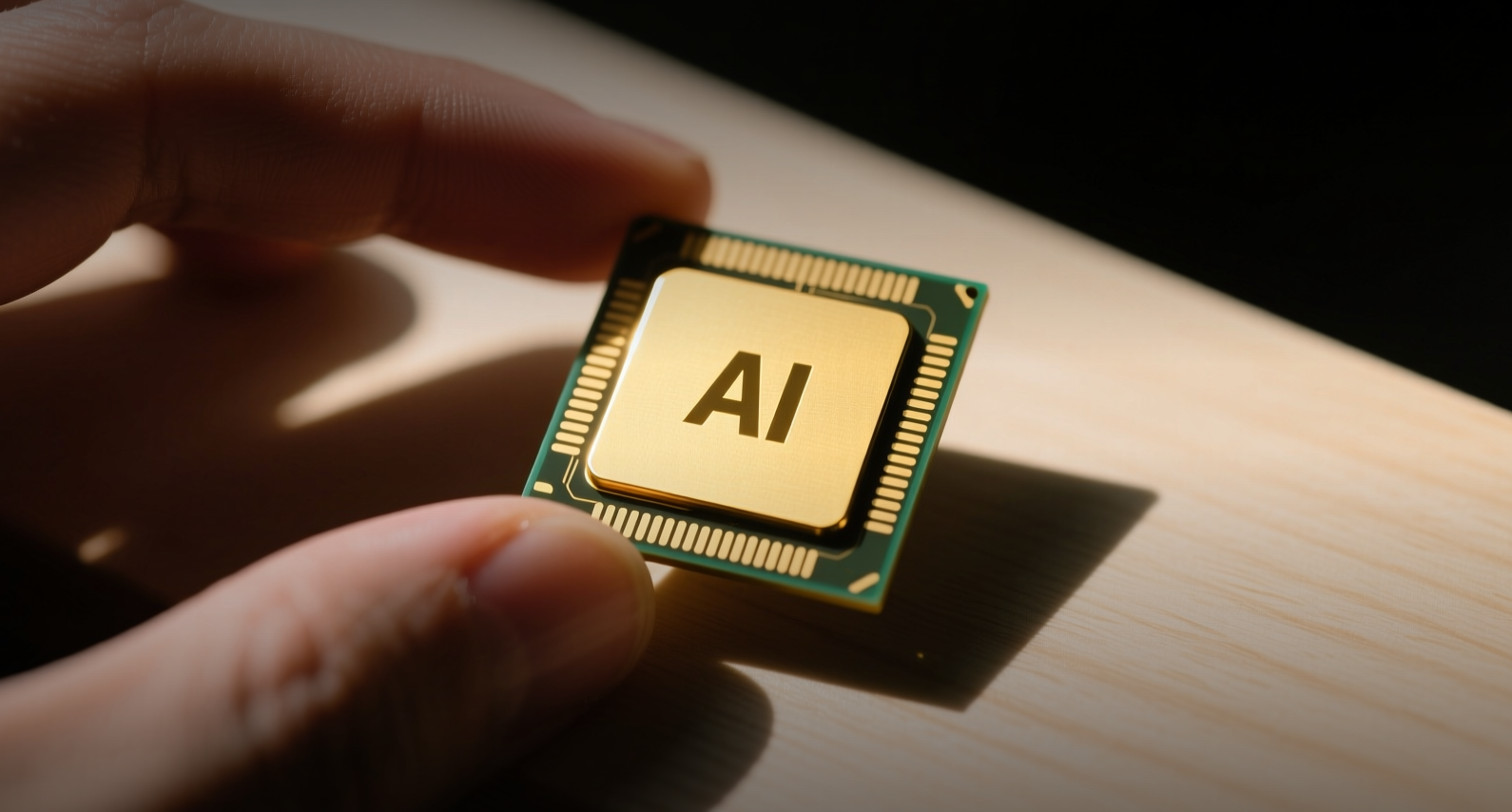
AI infrastructure spending is funneling billions into memory and storage chips, lifting Micron, SanDisk, Seagate, and Western Digital as data center demand for HBM and NAND accelerates.
AI infrastructure expansion is driving a surge in demand for advanced memory and storage, positioning Micron Technology Inc., SanDisk Corp., Seagate Technology Holdings Plc, and Western Digital Corp. as four of the top-ranked beneficiaries in the semiconductor sector.
"The buildout of AI data centers is creating a structural demand shift for high-bandwidth memory and enterprise SSDs that we haven't seen in a decade," said Rachel Kim, semiconductor analyst at Edgen.
JPMorgan Chase & Co. reported last week that memory and semiconductor stocks drew $21 billion in ETF inflows, with the Roundhill Memory ETF — whose top holdings include SK Hynix Inc. at 16.09% and Samsung Electronics Co. at 15.67% — surging as much as 14% in late June. Micron, which accounts for roughly 23% of the fund through direct and swap positions, has benefited from rising HBM3E orders tied to Nvidia Corp.'s latest GPU platforms.
The four stocks trade at a collective forward P/E of roughly 12x, a discount to the broader Philadelphia Semiconductor Index's 22x, suggesting the market has yet to fully price in the multiyear AI memory cycle. With data center capital expenditure from hyperscalers expected to exceed $200 billion in 2026, memory makers stand to capture a growing share of that spend.
HBM and NAND Demand Reshape the Memory Sector
High-bandwidth memory has become the bottleneck in AI training clusters. Each Nvidia H100 GPU requires 80 gigabytes of HBM3 memory, and the upcoming Blackwell architecture will demand even more. SK Hynix, the market leader in HBM, has sold out its 2025 and 2026 production capacity, according to its earnings calls. Samsung Electronics is racing to catch up, while Micron has positioned itself as the third supplier with its HBM3E products now in qualification with Nvidia.
On the NAND side, AI inference — the process of running trained models — is driving demand for high-capacity enterprise SSDs. SanDisk and Western Digital, which split from their merger in 2025, are both competing for data center storage contracts. Seagate's heat-assisted magnetic recording technology gives it a cost advantage in nearline storage, a segment that benefits as AI workloads generate petabytes of log and checkpoint data.
Valuation Gap Opens as Earnings Momentum Builds
Micron reported fiscal third-quarter revenue of $6.8 billion in June, up 82% year over year, and guided for fourth-quarter revenue above consensus. SanDisk, which trades as a standalone entity after the Western Digital separation, posted revenue of $4.1 billion in its most recent quarter, with data center sales doubling. Seagate's revenue rose 18% year over year to $1.9 billion, driven by cloud and enterprise demand. Western Digital's HDD business saw its highest quarterly shipments in two years.
Despite the growth, the group trades at a discount to the broader chip sector. Micron's forward P/E of 14x compares with the Philadelphia Semiconductor Index's 22x. SanDisk and Western Digital trade at 11x and 9x, respectively. Seagate's 13x multiple reflects investor caution about the cyclical nature of HDD demand, though the AI-driven shift to higher-capacity drives may extend the cycle.
The memory cycle has historically been volatile, with boom-bust swings driven by supply gluts. But the AI infrastructure buildout — backed by more than $200 billion in hyperscaler capital expenditure — provides a demand floor that previous cycles lacked. Investors will watch Nvidia's next earnings call for confirmation of HBM3E qualification timelines and the pace of enterprise SSD procurement. If the current trajectory holds, the valuation gap between memory stocks and the broader semiconductor sector may narrow.
This article is for informational purposes only and does not constitute investment advice.
