
A single LNG tanker's journey could signal a tentative thaw in the Middle East's energy standoff, potentially easing prices from their two-month highs.
A single LNG tanker's journey could signal a tentative thaw in the Middle East's energy standoff, potentially easing prices from their two-month highs.
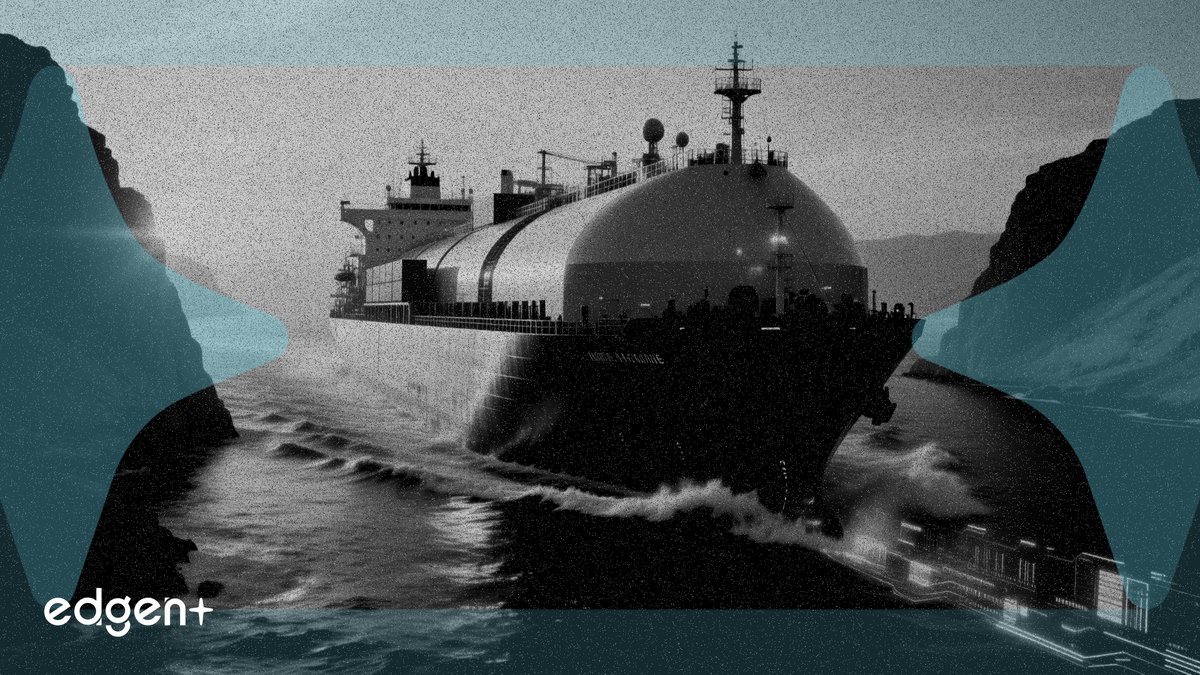
The LNG tanker Mubaraz, operated by the UAE's ADNOC, has successfully navigated the Strait of Hormuz, marking the first such passage of a loaded vessel since the Iran-US conflict effectively shuttered the critical waterway two months ago.
"If the tanker has crossed, it would be a hopeful sign for the gas market, but only a very early one," said Alex Froley, senior LNG analyst at data intelligence firm ICIS. "One tanker crossing would not necessarily guarantee that more could follow, as the situation has been changing rapidly."
The 136,357-cubic-meter tanker, which loaded in the UAE in early March, went dark on March 30 before reappearing near India on April 27, according to ship-tracking data from LSEG and Marine Traffic. The vessel is now signaling China as its destination, a key importer of LNG. The transit is significant after multiple Qatari tankers failed to pass the strait in April.
The Strait of Hormuz is a chokepoint for about 20 percent of global LNG supply, and its closure since the conflict began on February 28 has sent global energy prices sharply higher. While the Mubaraz's successful passage may encourage other vessels, the security situation remains volatile, with ship operators widely using evasive tactics like turning off transponders to avoid detention or attack.
The Mubaraz, managed by ADNOC Logistics & Services, employed a common tactic for navigating the high-risk waterway by turning off its AIS transponder after leaving the Persian Gulf on March 30. It reappeared on tracking systems 28 days later off the coast of India, a method used to mask a vessel's movement through contested waters.
The successful transit follows an earlier passage by an empty Omani LNG tanker this month and two failed attempts by Qatari vessels to cross the strait in April. The waterway has seen traffic dwindle to near zero as rival blockades by Iran and the US have been enforced.
The closure of the strait has had a significant impact on global energy markets, tightening supply and causing a sharp increase in LNG prices. This single transit, while a positive sign, is not expected to immediately reverse the trend. The global energy market remains on high alert, with security firm Windward reporting that dark activity in the Gulf, while slightly declined, remains high with 117 events.
The Mubaraz is currently signaling a terminal in China as its destination, highlighting the importance of the waterway for major Asian economies. The market will be closely watching to see if other vessels, particularly from major LNG producer Qatar, will follow the Mubaraz's lead in the coming days.
This article is for informational purposes only and does not constitute investment advice.

