
South Korea's KOSPI faces a record $95 billion foreign exodus this year, matched by $80 billion in retail buying, JPMorgan said.
South Korea's KOSPI faces a record $95 billion foreign exodus this year, matched by $80 billion in retail buying, JPMorgan said.
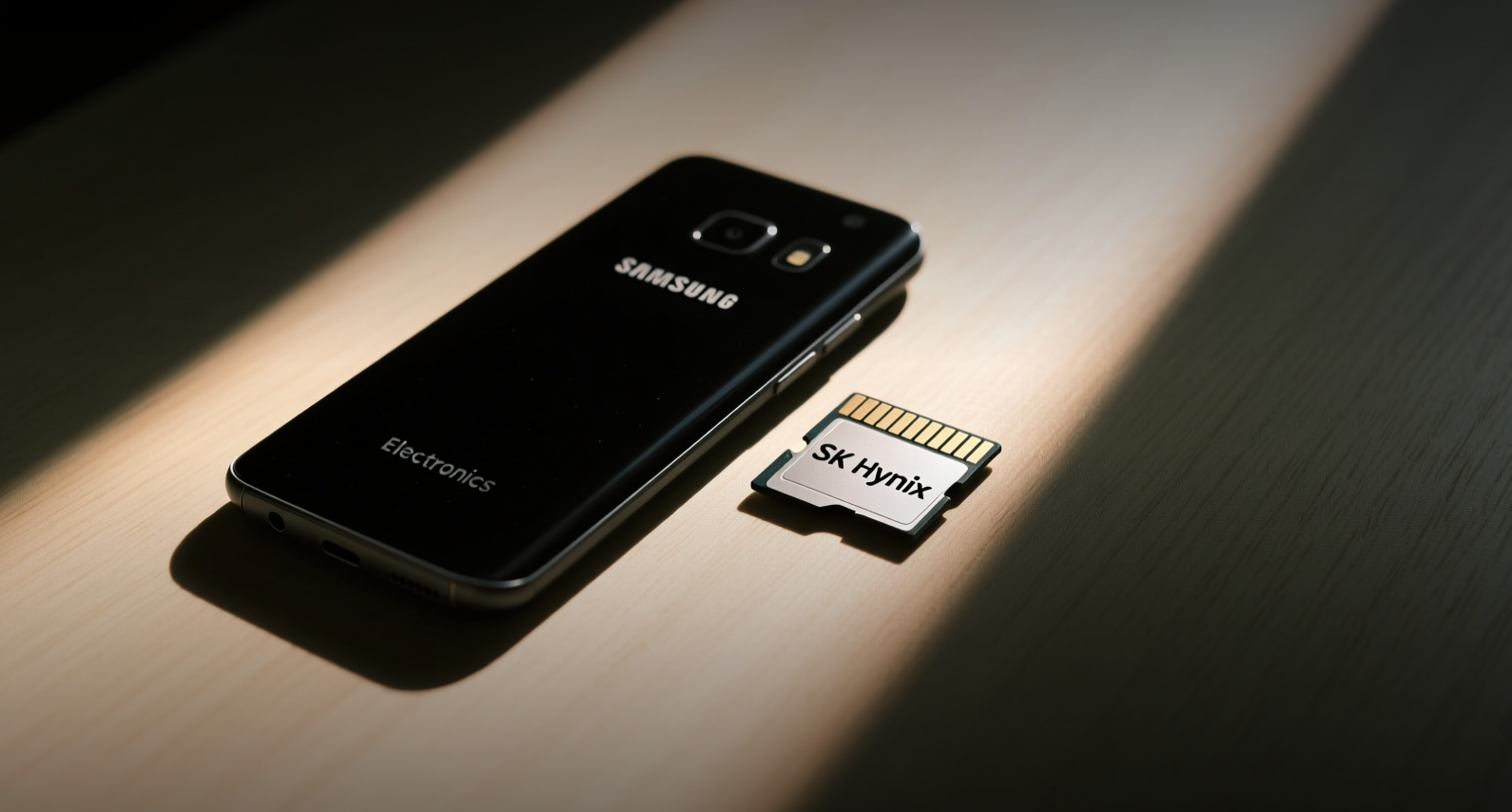
Foreign investors have net sold about $95 billion from South Korean stocks in 2026, on track to break the annual record for any single Asian market, JPMorgan Chase & Co. said.
"The Korean market's fundamentals are tied to the AI cycle, and we are positive on a higher-for-longer memory chip cycle," Mixo Das, equity strategist at JPMorgan, said in a report dated June 25.
More than 90% of the outflow came from Samsung Electronics Co. and SK Hynix Inc., whose surging market capitalizations pushed them against position limits for emerging-market funds, forcing managers to trim holdings whenever prices rose. Retail investors have net purchased about $80 billion this year, filling the gap. The two memory stocks now account for more than two-thirds of foreign equity holdings in Korea.
The standoff means elevated volatility is likely to persist. Leveraged ETF assets tracking Korean equities have grown to $50 billion, amplifying swings through futures and options, while gamma imbalances exceeded $10 billion. JPMorgan raised its KOSPI 12-month base target to 12,500, with a bull case of 15,000, and advised investors to "add on dips and maintain maximum exposure."
The KOSPI surged more than 5% at the open on June 25, triggering a buy-side sidecar, after Micron Technology Inc.'s blockbuster results reignited the AI rally. SK Hynix closed up 13% and Samsung Electronics gained 5.3%. SK Hynix also said it plans to raise as much as $29.4 billion through a US stock market listing, boosting expectations of a narrower valuation gap with US rival Micron.
Forced Selling Meets Retail Appetite
The foreign selling is largely non-discretionary, JPMorgan said. Samsung and SK Hynix each saw about 10% of their foreign-held shares affected by EM fund position limits — a constraint that does not ease when prices rise. Despite sustained net selling, foreign ownership ratios in both stocks have increased this year because price gains outpaced divestment.
Retail buying still has room to grow. Margin debt and options leverage remain low relative to overall market capitalization and customer deposits. Korean households are also beginning to repatriate overseas stock holdings, a trend that could accelerate as domestic wealth effects from the AI-driven rally deepen, JPMorgan said.
AI Wealth Effect at Macro Scale
The AI-driven semiconductor boom is generating tax revenue at a scale that could reshape Korea's fiscal position. JPMorgan estimated that Samsung and SK Hynix could pay more than $350 billion in direct corporate taxes over the next three years, with the figure rising further when including personal income taxes on employee bonuses. South Korea's foreign exchange reserves stand at about $427 billion and its total government debt at roughly $1 trillion.
Beyond memory, JPMorgan identified banks as the most attractive sector, citing improving asset quality, net interest margin expansion and higher brokerage commission income from elevated trading volumes. The bank's top picks include Samsung Electronics, Hyundai Motor Co., Hanwha Aerospace Co. and KB Financial Group Inc. Its least preferred names are Posco Future M Co., Hyundai Marine & Fire Insurance Co. and Kakao Corp.
This article is for informational purposes only and does not constitute investment advice.
