
Ga-Hyun Chung spent $7 billion building the world's largest oil tanker fleet — the Iran war turned it into a cash machine.
Ga-Hyun Chung spent $7 billion building the world's largest oil tanker fleet — the Iran war turned it into a cash machine.
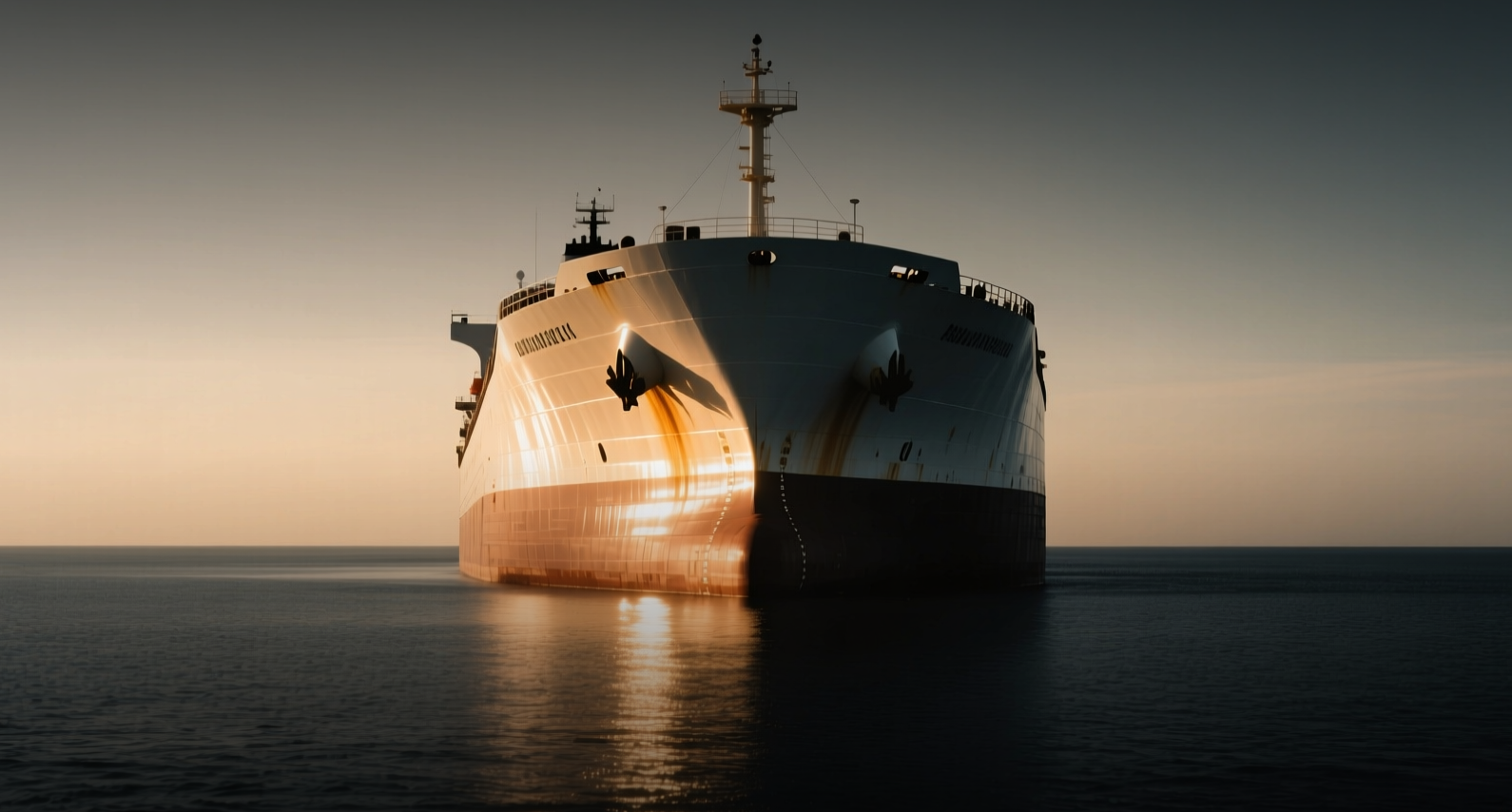
The Iran war has transformed a $7 billion bet on oil tankers into one of the year's most profitable wagers, as Brent crude surged past $120 a barrel and shipping rates through the Strait of Hormuz hit record premiums.
"Tanker owners with available tonnage are capturing pricing power they haven't seen in decades, because every day the strait operates below capacity tightens the vessel supply," said Vivek Rahi, partner and national head of oil and gas at KPMG in India.
Chung's fleet, amassed through a roughly $7 billion spending spree, now commands rates that reflect both vessel scarcity and war-risk premiums for transiting the Strait of Hormuz. The waterway, which carries about a quarter of the world's seaborne crude and a fifth of global LNG trade, saw just 25 commercial vessels pass through in a recent 24-hour period — a fraction of normal traffic, according to MarineTraffic data. The Joint Maritime Information Center has raised the security threat level to "substantial," citing mine risks, navigation interference and drone activity.
The windfall for tanker operators highlights a broader realignment in global energy shipping. With Iran unable to export oil during the US blockade — before later shipping more than 40 million barrels — and the strait's status uncertain as diplomatic talks continue in Doha, owners of large, flexible fleets are positioned to capture elevated rates as long as the conflict keeps supply chains disrupted. Shell's latest LNG outlook projects that if Hormuz traffic normalizes by summer, overall LNG trade in 2026 may end roughly flat, with growth resuming only in 2027.
Chung's fleet buildup, completed just before hostilities escalated, gave him the world's largest independently owned tanker fleet at a moment when vessel availability became the single most important factor in energy shipping. The strategic timing mirrors a pattern seen in previous geopolitical disruptions: operators who invest counter-cyclically during periods of low freight rates capture outsized returns when crises compress supply.
India's experience illustrates the scale of the disruption. The country, which imports nearly 88 percent of its crude, saw domestic LPG production surge from roughly 35,000 tonnes a day to 54,000 tonnes a day within a week of the conflict as refineries diverted streams to compensate for import shortfalls. Brent crude's move past $120 a barrel triggered excise cuts and price controls across Asia, but tanker operators — insulated from those measures — continued to collect elevated spot rates.
Negotiations in Doha between US and Iranian delegations have yet to produce a framework for normalizing strait operations. Iran's parliament speaker Mohammad Bagher Ghalibaf said the country will not proceed with final agreement talks until clauses including the removal of what Tehran describes as a US naval blockade are fulfilled. Oman has circulated a proposal for a long-term management framework for the waterway, signaling that even a diplomatic resolution may not restore the pre-conflict status quo.
For tanker owners, the uncertainty is itself a profit driver. Every week of constrained transit capacity tightens the available vessel supply, pushing spot rates higher. The last comparable disruption — the 2019 attacks on Saudi Aramco facilities — boosted tanker earnings for roughly two quarters before rates normalized.
This article is for informational purposes only and does not constitute investment advice.
