
With over 90% of its crude supply at risk, Japan is making urgent diplomatic and logistical moves to avert an energy crisis ahead of a US-Iran deadline.
With over 90% of its crude supply at risk, Japan is making urgent diplomatic and logistical moves to avert an energy crisis ahead of a US-Iran deadline.
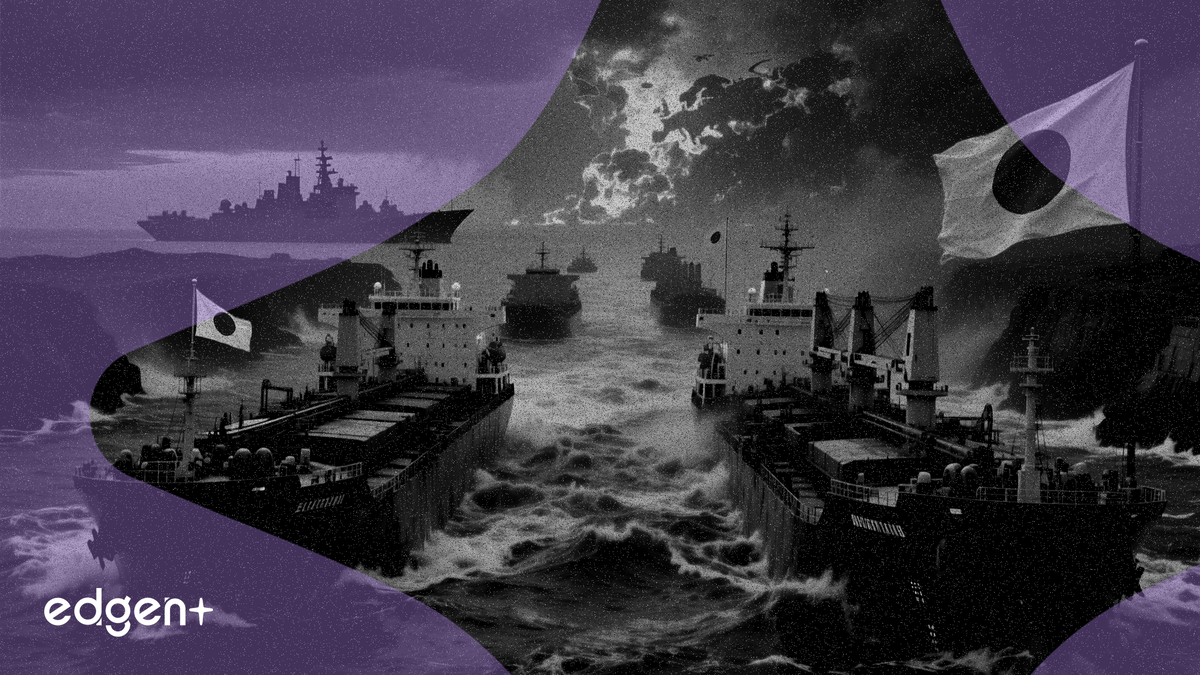
Japan is accelerating emergency measures to secure its energy supply, with 43 of its ships stranded near the Strait of Hormuz, as a US deadline for Iran to reopen the critical waterway approaches on Tuesday.
"We will do everything we can to find a way out of the current situation and restore peace," Prime Minister Sanae Takaichi said in parliament Monday, confirming Japan is preparing for leadership-level talks with Iran.
The diplomatic push comes after Japan's crude imports in March fell to 52.03 million barrels, the lowest since 2013, due to the blockade. The government has already initiated its largest-ever release of national petroleum reserves, totaling 80 million barrels, and is weighing a further release in May.
At stake is the energy security of the world's third-largest economy, which relies on the Strait of Hormuz for over 90% of its oil. A prolonged closure threatens to trigger a severe naphtha crisis by June, crippling the production of essential medical supplies and sending a shockwave through global energy markets.
In response to the mounting supply pressure, Tokyo is pursuing a multi-pronged strategy. Prime Minister Takaichi stated Sunday that Japan currently holds eight months of petroleum reserves and is actively seeking alternative supply sources. She refuted media reports claiming Japan would be unable to secure naphtha supplies by June, stating the country has at least a four-month supply.
Despite these assurances, industry groups are calling for an additional release from the national reserves. The medical industry has warned that a sustained disruption would create a "naphtha crisis," jeopardizing the supply of critical items like dialysis consumables, medical gloves, and syringes. Since March 16, the government has released approximately 80 million barrels, the largest drawdown since the national reserve system was established in 1978.
Tokyo is actively preparing for leadership-level talks with Iranian leaders and is also seeking a call with US President Donald Trump, though no talks are finalized. The diplomatic outreach follows a meeting between Japanese Foreign Minister Toshimitsu Motegi and Iranian Foreign Minister Abbas Araghchi.
While the success of Japan's mediation efforts is uncertain, its long-standing diplomatic relations with Tehran provide a potential communication channel. Koichiro Tanaka, a former diplomat at Keio University, noted that a key issue is who will act as the region's "guarantor." He suggested that a US refusal to play this role could create an opening for China, which also heavily depends on the region's energy supplies.
This article is for informational purposes only and does not constitute investment advice.

