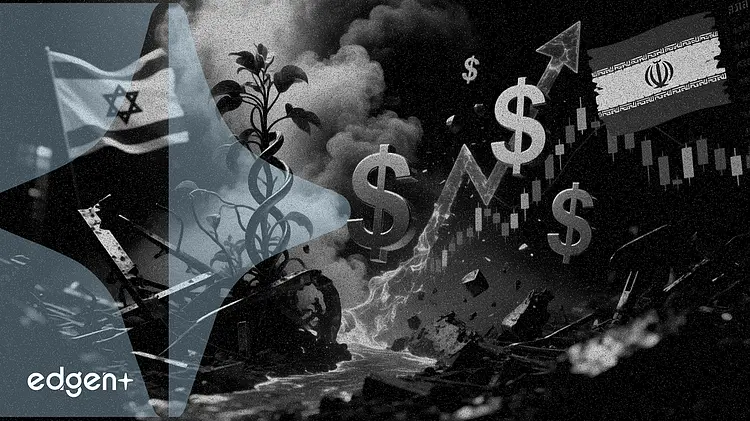
(P1) A second Israeli airstrike on Iran's largest steel producer, the Mobarakeh Steel Company, represents a significant escalation in the campaign to dismantle the nation's dual-use industries, threatening billions in economic damage and hindering future reconstruction efforts. The attack on March 31, along with a strike on the Khuzestan Steel plant, directly targets assets the U.S. and Israel identify as critical to Iran's military supply chain.
(P2) "The systematic destruction of Iranian industries will place the terrorist regime at a significant decision point the day after," a senior Israeli Air Force official said. "They will have to mobilize all of the country’s resources to rebuild what we have destroyed." A senior Iranian official acknowledged to ‘The New York Times’ that the strikes dealt a "major blow to the economy."
(P3) The targeted plants in Isfahan and Ahvaz are partially owned by the Islamic Revolutionary Guard Corps (IRGC) and have been under U.S. sanctions since 2018. The Mobarakeh complex is the largest steel producer in the Middle East and North Africa. Israeli security officials estimate the damage to Iran's military and steel industries from the wider campaign has already reached tens of billions of dollars.
(P4) The strategy appears aimed at crippling Iran's ability to sustain its military apparatus by forcing a massive diversion of resources toward domestic rebuilding. The strikes raise the immediate risk of regional escalation, as Tehran has already issued retaliatory threats against six steel plants across the Middle East, including facilities in Saudi Arabia, the UAE, and Israel.
'Dual-Use' Industries in the Crosshairs
Israel has intensified its focus on Iranian industries it designates as "dual-use," serving both civilian and military ends. Since the conflict began, the Israeli Defense Forces (IDF) have dropped more than 1,300 munitions on military-industrial targets, destroying hundreds of factories involved in missile development, engine manufacturing, and other defense-related production.
Defense Minister Israel Katz warned that attacks would expand to additional sectors supporting the regime’s military capabilities. This follows earlier strikes on key economic infrastructure, including the South Pars gas field, a primary source of domestic natural gas for Iran.
A Sanctioned Economic Engine
The attacks hit a vital sector of the Iranian economy. Iran is the leading steel producer in the Middle East and ranks among the top 10 globally. The U.S. Treasury has described the Mobarakeh Steel Company not just as a cornerstone of the economy, but as a critical revenue source for Iran’s security establishment, including the Basij militia, a subsidiary of the IRGC. A former engineer at the plant noted that access requires strict security clearance, underscoring its strategic importance. The strikes are unsettling the business community, particularly contractors working with industries that could be considered dual-use.
This article is for informational purposes only and does not constitute investment advice.