
Iran's conditional offer to reopen the Strait of Hormuz could strip the geopolitical premium from crude prices if Washington meets four demands.
Iran's conditional offer to reopen the Strait of Hormuz could strip the geopolitical premium from crude prices if Washington meets four demands.
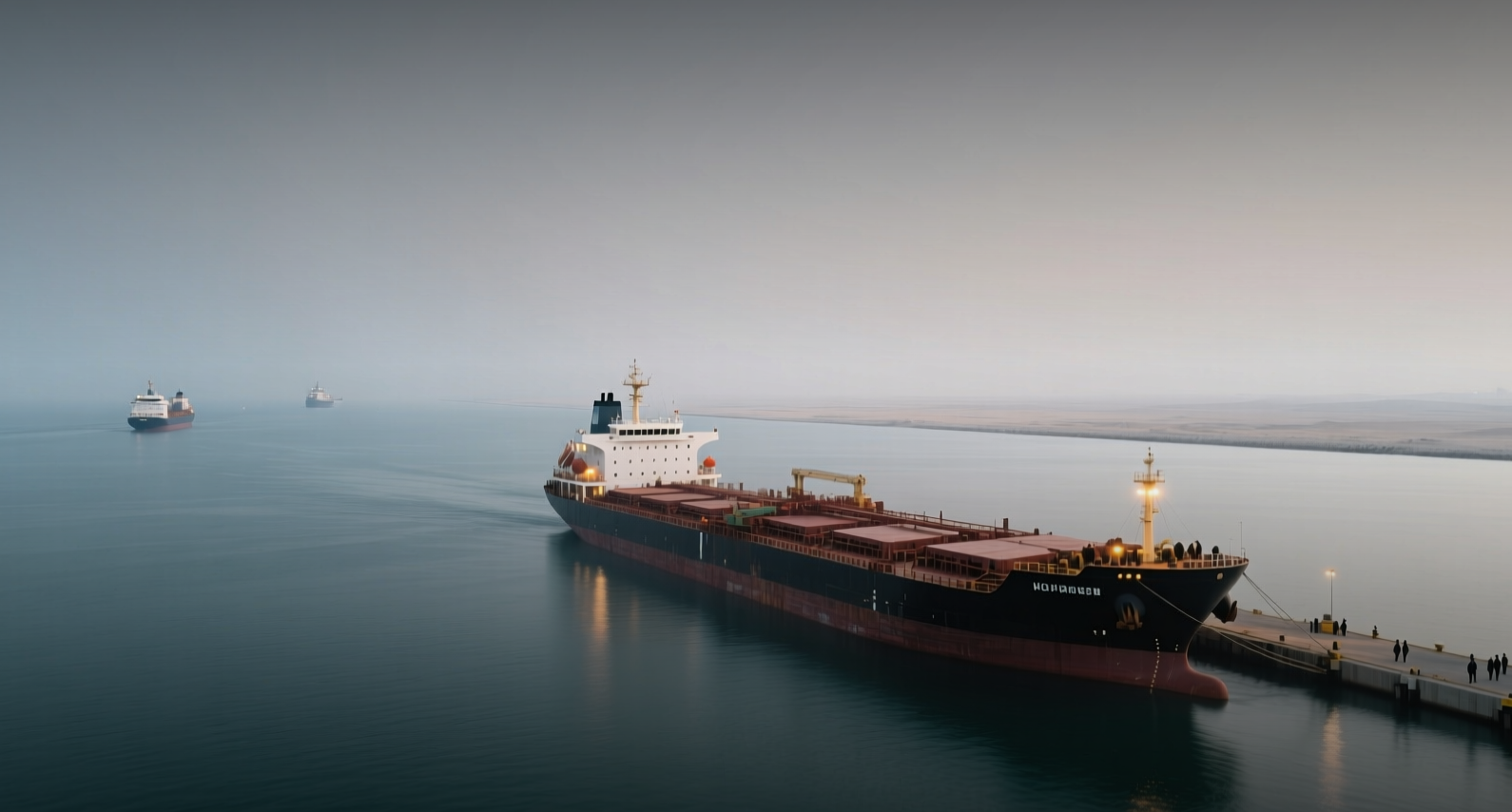
Iran will reopen the Strait of Hormuz if Washington lifts sanctions on fuel, releases frozen funds and restores investment, President Masoud Pezeshkian said, a four-point offer that could ease the biggest energy supply shock.
"When we talk about energy flows, the Strait of Hormuz is the most relevant chokepoint on the planet," said Robert McNally, president of Rapidan Energy Group and a former senior director for international energy on the National Security Council.
The waterway carried about 20 million barrels a day before the U.S. and Israel attacked Iran on Feb. 28, roughly a fifth of global consumption, according to the International Energy Agency. Six months into the war, transits have collapsed to a fraction of that — President Donald Trump said U.S. forces helped 24 tankers cross in a single night, versus roughly 120 before the conflict — while Brent crude has traded above $100 a barrel at times and American gasoline prices jumped 34 percent within a week of the strikes. The IEA called the drop in shipping the biggest energy supply disruption on record, and the U.N.'s International Maritime Organization said about 6,000 sailors on 400 ships remain unable to leave the strait.
A reopening would hinge on the Trump administration abandoning the "economic asphyxiation" campaign that Treasury Secretary Scott Bessent outlined this week, including sanctions on banks that finance Iranian trade. If the four conditions go unmet, analysts expect elevated oil, natural gas and food prices to persist for at least another year.
Four Conditions, One Chokepoint
Pezeshkian said Iran had reached internal consensus on transit routes through the strait and was prepared to cooperate with Saudi Arabia, the United Arab Emirates and other regional states. The four commitments — lifting sanctions on fuel and petrochemical products, releasing frozen funds, and restoring investment — mirror the temporary deal the two sides struck earlier this summer before talks collapsed.
The offer lands as mediators including Pakistan and Qatar push to revive negotiations that have stalled for months. Qatar's foreign minister visited Tehran this week to urge both sides to "resume the diplomatic process," while Iranian Foreign Minister Abbas Araghchi said diplomacy remains possible if Washington abandons its pressure campaign. "Putting diplomacy back on track isn't impossible," Araghchi posted on X. "It hinges on U.S. understanding of one simple fact: pressure doesn't work."
Pipelines Can't Replace the Strait
The offer comes as Gulf producers race to build bypass pipelines, with the UAE expecting a $3 billion expansion to its Fujairah port to come online next year. But the IEA's senior oil market analyst, Rebecca Schulz, said even completed projects would leave more than 10 million barrels a day needing to pass through the strait for Gulf exports to return to pre-war levels. Unlike oil, liquefied natural gas cannot move by pipeline, leaving Qatar — the world's second-largest exporter — exposed to Iranian leverage over the South Pars field it shares with Tehran.
The last time Iran signaled a willingness to reopen the strait was in the temporary deal struck earlier this summer, which preceded a brief easing in crude prices before the U.S. resumed its naval blockade on July 14. Since then, Iran has exported zero barrels from its shores, according to U.S. Central Command, while China — Tehran's largest trade partner — has continued buying via overland routes through Central Asia.
The strait's closure has rippled beyond crude. The IEA notes the crisis has disrupted global fertilizer and aluminum markets, along with exports of commodities crucial to healthcare and microprocessor manufacturing, while the Bab el-Mandeb waterway — the southern entrance to the Red Sea — remains vulnerable to attacks by Yemen's Iran-aligned Houthi rebels. Goldwyn said consumers face higher prices for travel, jet fuel and food because fertilizer is no longer flowing from the Gulf.
If Washington accepts the four conditions, crude's geopolitical risk premium could unwind quickly, pressuring prices and easing inflation expectations globally. Brent has swung between roughly $70 and $100 over the past six months as traders priced in repeated threats to the waterway, and a confirmed reopening would likely push the benchmark toward the lower end of that range. If not, the IEA warns the strait's constraints will remain "a somewhat permanent feature for the next few years," in the words of David Goldwyn, president of Goldwyn Global Strategies, keeping oil above $100 and shipping costs elevated.
This article is for informational purposes only and does not constitute investment advice.
