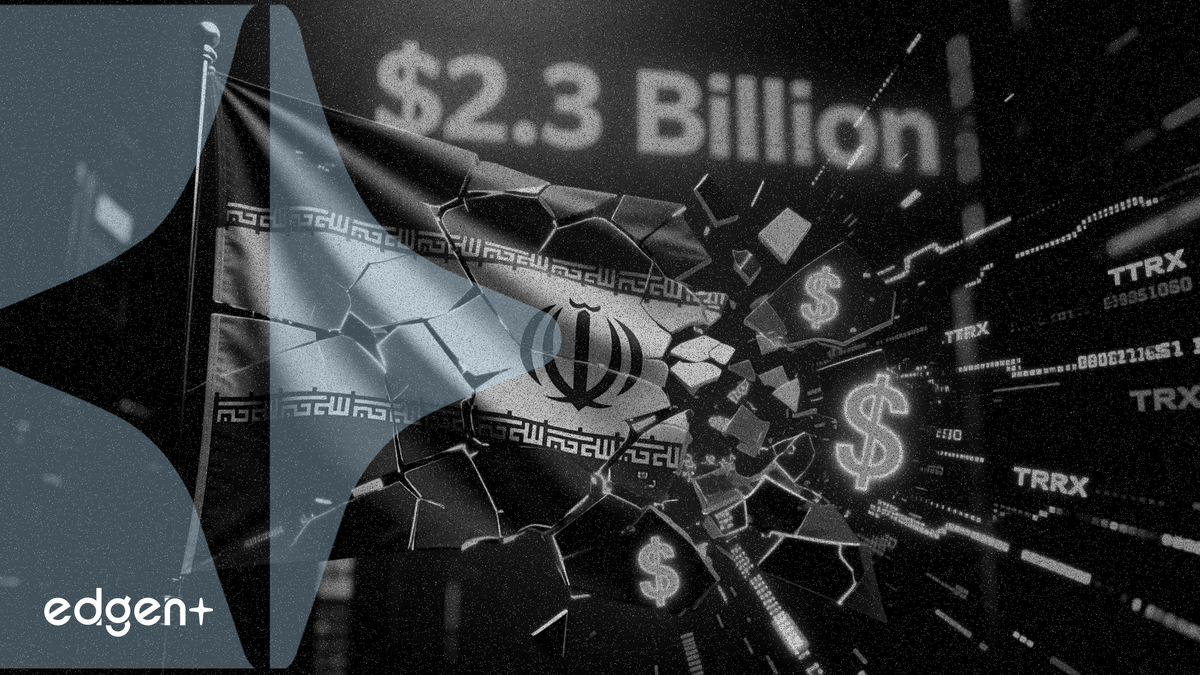
El exchange de criptomonedas más grande de Irán, Nobitex, ha procesado al menos 2.300 millones de dólares en fondos para organizaciones sancionadas por EE. UU. desde 2023, según un informe de Reuters que cita datos on-chain. Las transacciones, que involucran principalmente las redes Tron y BNB Smart Chain, representan un incumplimiento significativo de las sanciones internacionales contra Irán.
La investigación, que se basó en datos de las firmas de análisis de blockchain Arkham y Elliptic, detalló cómo la plataforma facilita los pagos para entidades que incluyen el Banco Central de Irán (CBI) y el Cuerpo de la Guardia Revolucionaria Islámica (IRGC). El informe también vinculó algunos fondos con Hamás y Hezbolá, grupos designados como organizaciones terroristas por Estados Unidos.
Según los hallazgos del informe, aproximadamente 2.000 millones de dólares del volumen total se movieron utilizando la blockchain de Tron (TRX), mientras que otros 317 millones se procesaron en la BNB Smart Chain (BSC). El uso de stablecoins, particularmente Tether (USDT), permitió a estas entidades transaccionar en un activo equivalente al dólar estadounidense fuera del alcance del sistema financiero tradicional.
Las revelaciones ponen a los ecosistemas de Tron y BNB Smart Chain bajo un duro foco regulatorio, intensificando el debate sobre la responsabilidad de las plataformas blockchain y los emisores de stablecoins en la prevención de la financiación ilícita. Los hallazgos podrían desencadenar acciones regulatorias significativas o sanciones contra las plataformas, impactando potencialmente los precios de mercado de sus tokens nativos, TRX y BNB.
Mecanismo de evasión de sanciones
La investigación de Reuters describe un esfuerzo sistemático por parte de Irán para aprovechar las criptomonedas para eludir las sanciones económicas. Nobitex sirve como un centro clave en esta red, ofreciendo una puerta de entrada para que los organismos sancionados accedan a los mercados globales. Según se informa, el exchange tiene requisitos laxos de conocimiento del cliente (KYC) para algunas transacciones, lo que permite transferencias de fondos anónimas que son difíciles de rastrear para los monitores financieros occidentales.
Irán reconoció oficialmente la minería de criptomonedas como una actividad industrial en 2019 y desde entonces ha integrado los activos digitales en su estrategia para financiar importaciones y evadir restricciones comerciales. La elección de Tron y BSC es estratégica; sus tarifas de transacción más bajas y tiempos de liquidación más rápidos en comparación con Bitcoin o Ethereum las hacen eficientes para mover grandes volúmenes de fondos.
El problema de congelar activos ilícitos on-chain se ha convertido en un importante punto de discordia para los emisores de stablecoins. Tether congeló recientemente 344 millones de dólares en USDT en la red Tron a petición de las autoridades estadounidenses, demostrando su capacidad de intervención. Sin embargo, los críticos argumentan que emisores como Circle, que gestiona USDC, podrían actuar con más rapidez para congelar fondos vinculados a actividades ilícitas.
El informe sugiere que una postura política favorable a las criptomonedas durante la administración Trump creó un entorno permisivo para que florecieran tales actividades. Si bien la administración Biden ha adoptado una postura más agresiva al sancionar varias direcciones de criptomonedas iraníes, la escala de las transacciones a través de Nobitex muestra el desafío persistente que enfrentan los reguladores para vigilar las redes descentralizadas. El Tesoro de EE. UU. aún no ha sancionado directamente a Nobitex, pero la investigación aumenta la presión para tal medida.
Este artículo es solo para fines informativos y no constituye asesoramiento de inversión.