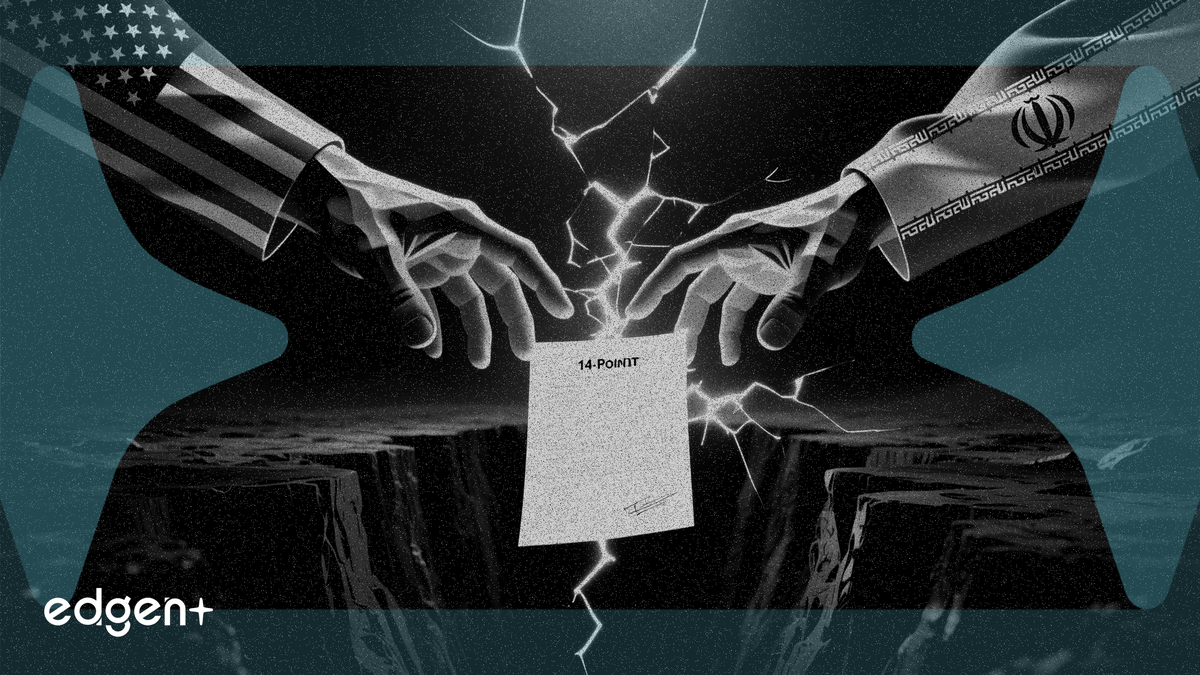
A 14-point memorandum of understanding proposed by the United States could end the month-long conflict, but Tehran publicly questions the substance of the proposal.

Mediators from Pakistan are making a last-ditch effort to salvage a cease-fire between the United States and Iran, as talks surrounding a 14-point de-escalation proposal enter a critical phase. While US officials signal optimism, Iran’s negotiators have publicly criticized the document’s terms, creating uncertainty that has sent Bitcoin climbing above $82,000 on hopes of a resolution.
"For now, our focus is on ending the war," Esmaeil Baghaei, a spokesman for Iran’s foreign ministry, said on Friday, according to state news agency IRNA. He cautioned, however, that "deep and extensive" differences remained and that "diplomacy takes time."
The one-page document aims to formally end the regional conflict that began on February 28, 2026, and trigger a 30-day window of extended negotiations. Key issues on the table include navigation rights in the Strait of Hormuz, which handles about 20 percent of global petroleum transit, limits on Iran’s nuclear program, and the potential lifting of US sanctions. US Secretary of State Marco Rubio said Friday there had been “some progress” toward a deal, but that diplomats were “not there yet.”
The talks' outcome carries significant weight for global markets. A successful agreement could de-escalate tensions, potentially lowering oil prices and boosting risk assets. Conversely, a failure could reignite the conflict, threatening a key global energy chokepoint and sending a shockwave through the world economy. Tehran is expected to deliver its formal response to the proposal through Pakistani intermediaries within one week.
The diplomatic push comes after weeks of a nervous cease-fire that halted a conflict that saw the vital Strait of Hormuz closed to most shipping, upending global energy markets. Pakistan’s army chief, Syed Asim Munir, a central figure in the mediation, met with Mohammad Bagher Ghalibaf, Iran’s chief negotiator and parliamentary speaker, in Tehran on Saturday.
Ghalibaf told Munir that Iran could not trust the U.S., which he described as not an "honest party" in the negotiations, according to state television. He warned that if the United States "foolishly restarts the war," the consequences would be "more forceful and bitter" than before.
The geopolitical tensions have been a key focus for investors, with crypto markets in particular acting as a barometer for risk appetite. Bitcoin's surge past $82,000, a three-month high, suggests traders are pricing in a higher probability of a peaceful resolution. Iran's own significant crypto ecosystem, which saw an estimated $7.8 billion in volume in 2025 despite sanctions, adds another layer of complexity.
Investors are now closely watching for Iran's formal response. The tone of the reply, not just the acceptance or rejection of the MOU, will be critical in determining the next direction for markets. A cautious or conditional acceptance could keep uncertainty elevated, while a clear path toward extended negotiations could fuel a broader risk-on rally.
This article is for informational purposes only and does not constitute investment advice.