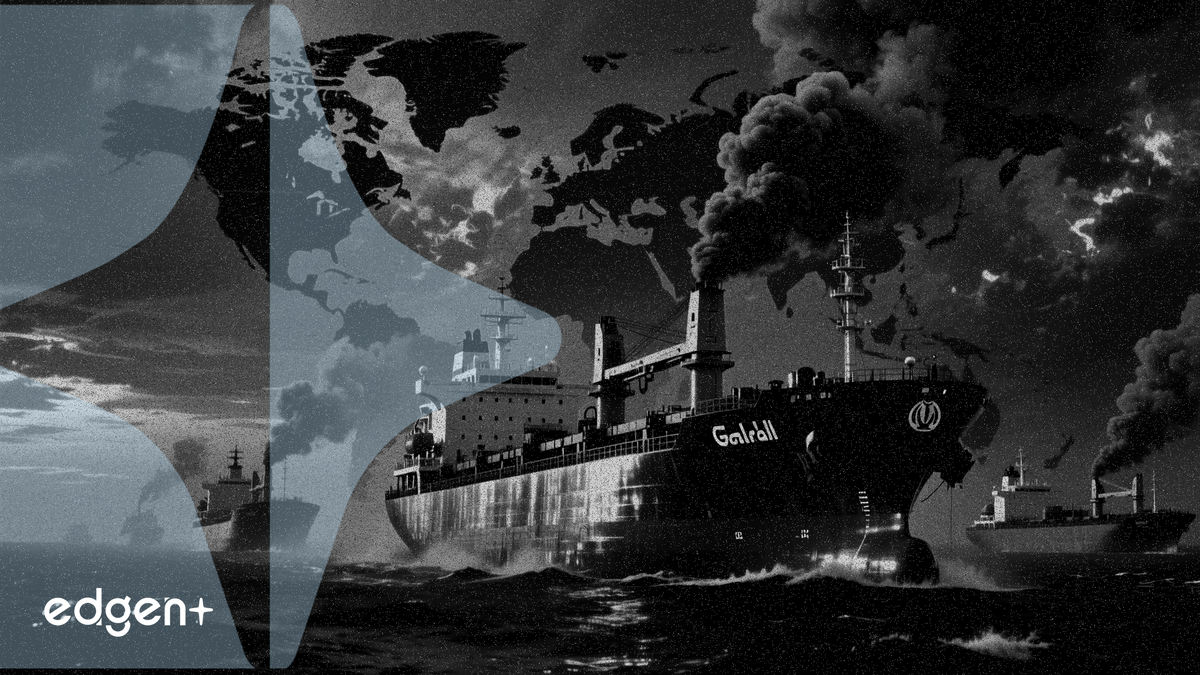
Tehran’s explicit threat to fire on US targets and enemy ships marks a significant escalation in the standoff over a US-led naval blockade that has trapped over $13 billion in Iranian oil.

Iran’s Islamic Revolutionary Guard Corps on Thursday warned it has locked missiles and drones onto US targets, threatening a “fierce” response to any aggression against its ships as a US naval blockade of more than 70 tankers tightens its grip on the nation's ports.
"The regime is led by the IRGC, who are effectively attempting to hold the entire global economy hostage," Chairman of the Joint Chiefs of Staff Gen. Dan Caine said this week, highlighting the military group's dominant role in Tehran's decision-making.
The warning comes as US Central Command confirms its forces are preventing over 70 commercial tankers from entering or leaving Iranian ports, blocking an estimated 166 million barrels of oil valued at more than $13 billion. The US has approximately 15,000 troops in the region enforcing the blockade, which began on April 13.
The escalation puts the global oil supply at immediate risk, as nearly a fifth of the world's energy exports pass through the nearby Strait of Hormuz. The last major standoff in the strait in 2019 caused a temporary 14 percent spike in Brent crude prices, and traders are now pricing in a significant risk premium for Mideast shipments.
The IRGC Navy’s warning was delivered via social media, stating any violation against its oil tankers would be met with strikes. The IRGC’s Aerospace Force followed up, confirming its forces were “awaiting the order to fire.” This direct threat follows a series of recent skirmishes that have tested a fragile ceasefire. Last week, US forces disabled three Iranian-linked tankers attempting to breach the blockade by firing into their smokestacks and rudders.
Tehran has also shown a willingness to target vessels from other nations, attacking a Chinese-owned oil tanker on Monday and seizing a US-sanctioned, Barbados-flagged vessel carrying Iranian oil on Friday. The aggression has drawn condemnation from Gulf Cooperation Council states and European leaders.
The blockade is the latest move in a tit-for-tat conflict that saw Iran effectively seize control of the Strait of Hormuz in retaliation for earlier US-Israeli strikes. In response, the US briefly initiated "Project Freedom" to escort commercial ships, an operation President Trump paused after requests from regional partners, including Saudi Arabia.
Despite the pause, US Central Command chief Admiral Brad Cooper has affirmed the blockade remains in full effect. The standoff reflects a deep power struggle within Iran, where hardline military factions like the IRGC benefit from the nationalist fervor of conflict, complicating diplomatic efforts by Iran's political elites. One hardline Iranian politician warned this week that European military bases could become "legitimate and lawful targets."
This article is for informational purposes only and does not constitute investment advice.