
Renewed US-Iran tensions are pushing mortgage costs higher across the US and Europe, squeezing homebuyers and refinancers.
Renewed US-Iran tensions are pushing mortgage costs higher across the US and Europe, squeezing homebuyers and refinancers.
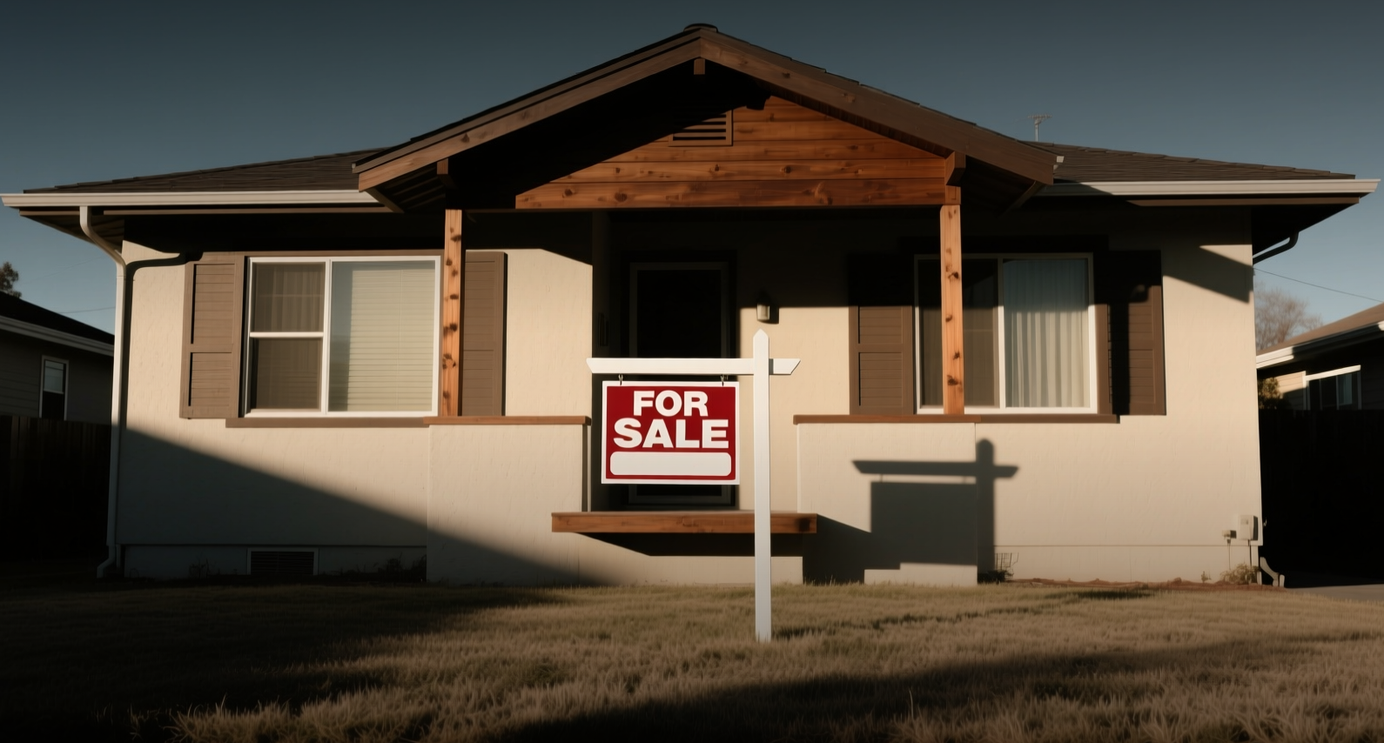
The average US 30-year fixed mortgage rate rose to 6.67 percent this week, the highest in more than a year, as the stand-off between Washington and Iran feeds inflation fears that keep long-term borrowing costs elevated even with the Federal Reserve holding official rates steady.
"One of the key catalysts has been the escalation and prolonged uncertainty surrounding the conflict in the Middle East, which pushed oil and energy prices higher," said Rachel Springall, finance expert at Moneyfacts.
Freddie Mac data show the US rate climbed from 6.43 percent at the start of July and 5.98 percent before the war began in late February. In the UK, the average five-year fixed mortgage rate rose to 5.66 percent in July, the first month-on-month increase since April, while Germany's representative 10-year fixed deal jumped from 3.3 percent to 3.7 percent this month, according to Dr. Klein. France's 10-year average rose from 3.02 percent in June to 3.15 percent in July, per Capifrance.
The increases add almost $150 to the average US monthly mortgage payment and £103 in the UK, with London buyers facing £201 more, suppressing sales as affordability worsens and a "lock-in" effect keeps homeowners from selling.
Investors are pricing in the risk that higher oil prices and renewed inflation will keep longer-term borrowing costs elevated, even where central banks are not tightening. Yields on 10-year Treasury bonds, the prime driver of US mortgage pricing, have edged up in recent weeks on higher energy prices and expectations of more inflation. The US rate now sits above the level of early August 2025, before the Fed delivered three quarter-point cuts late last year.
In the UK, the Bank of England has also held back from raising official borrowing costs this year, but the stand-off has lifted swap rates that lenders use to price fixed-rate deals. The 5.66 percent average has not been seen since late 2023, just after the BoE's base rate hit a 15-year high to contain a post-pandemic surge in inflation. Springall noted the UK is particularly exposed to refinancing pressure because consumers tend to opt for two- or five-year fixed-rate agreements. In the Eurozone, the European Central Bank raised its benchmark rate to 2.25 percent in June in response to the Middle East conflict, though Germany's 10-year fix remains below the peak of almost 4 percent in late 2023.
US housing analysts say the rise has hit a market many hoped would stage a comeback after years of sluggish activity. Noble Black, a realtor at Corcoran, said a "lock-in" effect persists as homeowners with older, cheaper mortgages do not want to sell until rates come down. "I think there's a pretty clear correlation between the war (in Iran) and where the mortgage rates are," he said. "It's just keeping us in this purgatory."
Some demand remains. Carl Gambino, real estate agent at brokerage Compass, said "buyers who have a real need or strong motivation to move are still transacting." In the UK, the number of sales agreed in July fell almost a tenth from a year earlier, said Richard Donnell, executive director at Zoopla, who noted the impact "varies sharply by market," explaining why some areas slow significantly while others hold up.
The trajectory of mortgage costs now hinges on the conflict's path and its effect on energy prices. If oil stays elevated, longer-term borrowing costs are likely to remain high, delaying any housing recovery; if tensions ease, swap rates and Treasury yields could retreat, offering relief to buyers and refinancers. Figures cited reflect data as of mid-August 2026 and should be verified against the latest official announcements from Freddie Mac, Moneyfacts, and other sources.
This article is for informational purposes only and does not constitute investment advice.
