
Iran's parliament has floated potential terms for reopening the Strait of Hormuz, a move that could ease the crude supply disruption that has kept oil near $98 a barrel.
Iran's parliament has floated potential terms for reopening the Strait of Hormuz, a move that could ease the crude supply disruption that has kept oil near $98 a barrel.
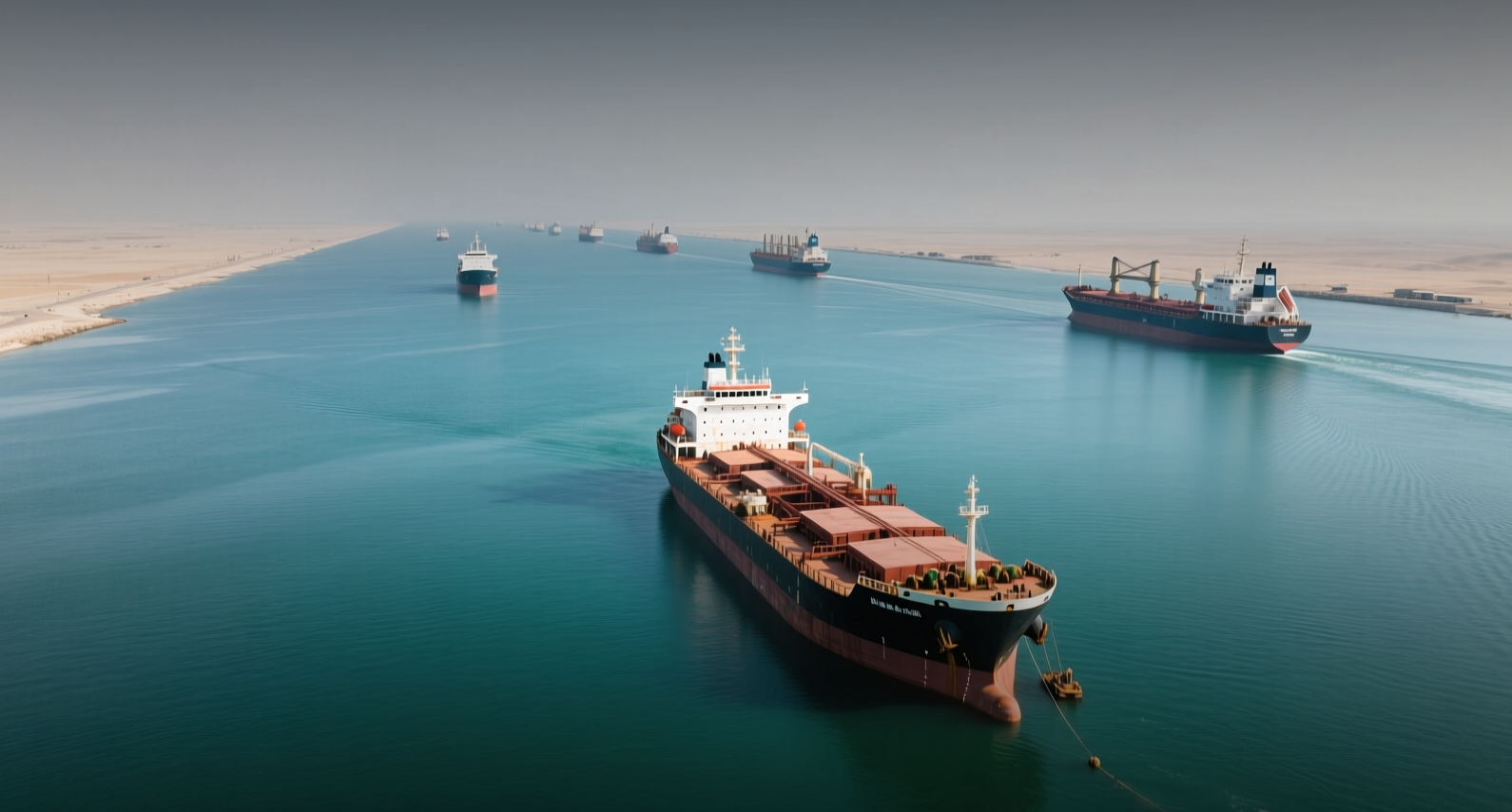
Iran's parliamentary national security and foreign policy committee has discussed conditions for reopening the Strait of Hormuz and relayed them to Foreign Minister Abbas Araghchi, a potential step toward easing the closure of the waterway that carries roughly one-fifth of global oil supply.
The Islamic Revolutionary Guard Corps confirmed the committee's deliberations, saying the conditions have been conveyed to Araghchi without disclosing the specific terms under discussion. The development follows U.S.-Iran tanker attacks in the region that pushed crude oil near $98 a barrel and added fresh pressure on fuel prices for consumers from Canada to Asia.
The Strait of Hormuz handles roughly 20 million barrels per day, about 20 percent of global oil consumption, making it the world's most critical energy transit chokepoint. A reopening would remove the most acute geopolitical supply risk facing crude markets, potentially unwinding war-risk premiums that traders have embedded in futures since the escalation began.
If Iran follows through on the conditions, crude prices could shed their geopolitical premium, pressuring energy equities and oil futures while providing relief to import-dependent economies across Asia and Europe. Japan, South Korea, India and China collectively import the bulk of their crude through the strait, leaving them most exposed to any prolonged closure. For these buyers, every week of disruption adds freight costs and forces draws on strategic petroleum reserves.
The last comparable episode came in 2019, when Iran seized tankers in the strait after the U.S. withdrew from the 2015 nuclear accord. Brent crude spiked above $75 a barrel during that confrontation before retreating as diplomatic channels reopened. In 2012, when Iran threatened closure during EU sanctions, Brent briefly exceeded $120 before the threat was walked back. Both episodes demonstrate that Hormuz-related risk premiums can unwind quickly once credible de-escalation signals emerge.
The current situation differs in one critical respect: oil was already trading near $98 before the latest escalation, reflecting tight global supply and limited spare capacity. OPEC+ production cuts have kept the market undersupplied, leaving less buffer to absorb disruptions. This means the downside from a Hormuz reopening could be sharper than in past episodes, as the geopolitical premium is layered on top of an already elevated price base.
Beyond crude itself, a Hormuz reopening would ripple through multiple asset classes. Energy equities, which have rallied on the supply scare, would face profit-taking. Airlines and shipping companies, which have absorbed higher fuel costs, would see margin relief. Import-dependent Asian currencies could strengthen as energy import bills decline, while inflation expectations in major economies would ease, potentially giving central banks more room to consider rate cuts.
The consumer impact is already visible. The tanker attacks pushed gas prices higher in Canada and other import-dependent markets, adding to inflationary pressure at the pump. A reopening would reverse some of that pressure, though the pace of decline would depend on how quickly Iran implements any agreement.
The key question is whether the conditions conveyed to Araghchi represent a genuine path to reopening or a negotiating position. The foreign minister's response and any formal announcement from Tehran will determine whether crude's war-risk premium unwinds or persists. Every day the strait remains closed keeps supply risk elevated and prices supported. A formal reopening announcement would likely trigger an immediate selloff in crude futures, while a breakdown in talks could push prices higher as traders price in a prolonged disruption. Traders will be watching for Araghchi's public response and any follow-up statements from the Revolutionary Guard in the coming days.
This article is for informational purposes only and does not constitute investment advice.
