
Iran's Revolutionary Guard says it holds complete control over the Strait of Hormuz, dismissing US claims the waterway is open as a lie meant to manipulate oil prices.
Iran's Revolutionary Guard says it holds complete control over the Strait of Hormuz, dismissing US claims the waterway is open as a lie meant to manipulate oil prices.
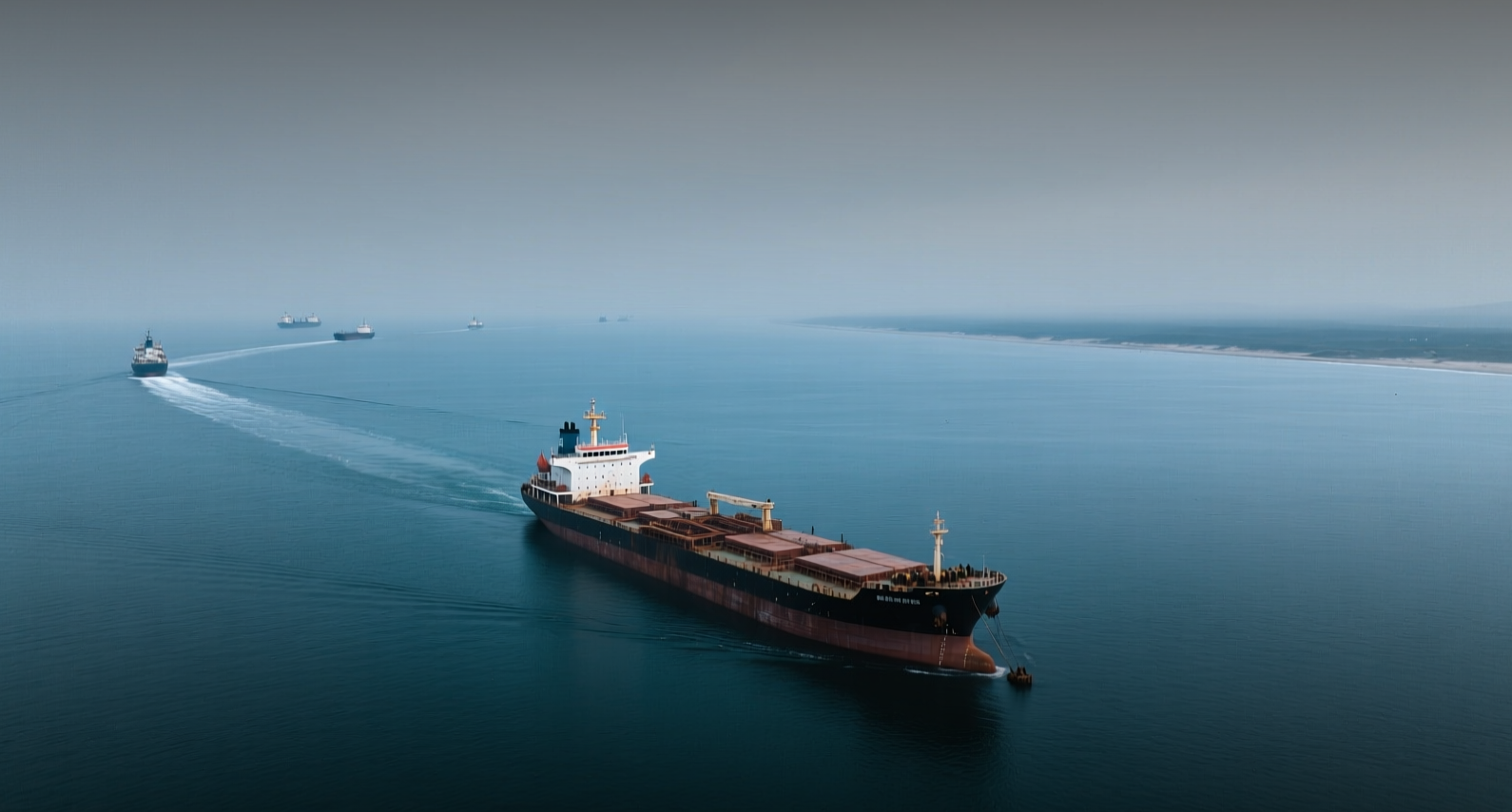
Iran's Revolutionary Guard declared complete control over the Strait of Hormuz, dismissing US claims the waterway is open as a lie to manipulate oil prices, as the chokepoint carrying 20 percent of global crude stays contested.
"All vessels attempting to transit without Iranian coordination will be blocked with full force and absolute authority," the Guards said in a statement, without specifying a date or tactical details.
The declaration escalates a standoff that has already cut traffic through the strait to roughly 5 percent to 15 percent of normal volumes, according to ship tracking services. US forces have helped 1,500 commercial vessels carrying nearly 750 million barrels of crude transit the waterway, said Adm. Brad Cooper, commander of US Central Command, while Iran has exported zero oil since the US naval blockade resumed in mid-July.
The strait, the conduit for 20 percent of the world's oil supply before the war, is the single most important energy chokepoint. A credible blockade would push crude prices sharply higher, lift shipping insurance rates, and disrupt global supply chains, threatening a systemic risk event for energy-dependent economies.
Diplomacy turns to reopening the strait
Qatar's prime minister and foreign minister, Sheikh Mohammed bin Abdulrahman Al Thani, met senior Iranian leaders in Tehran on Thursday, pressing Tehran to respect freedom of navigation. Mohsen Rezaei, secretary of Iran's Supreme National Security Council, said Iran was preparing a list of conditions for reopening the strait after mediators asked Tehran to set them out.
Iran has agreed with Oman on a shipping corridor through the strait, with parts of the route in Omani waters and parts in Iranian waters, Rezaei said. Ships would use a designated central channel if the US met Iran's conditions, he said. In the past, Iran's conditions have included an end to the US blockade on Iranian ports, compensation, and removal of sanctions.
The diplomacy follows a June memorandum of understanding, brokered by Qatar and Pakistan, that established a ceasefire within a 60-day window for negotiations. The deal fell apart over differing interpretations of Iran's authority over shipping arrangements, and President Donald Trump declared the MOU over three weeks after it was signed.
US counters with mine clearance
US Central Command said American forces have completed clearing sea mines laid by Iran's Islamic Revolutionary Guard Corps from the strait's internationally recognized shipping lanes. The operation involved Navy divers, Navy SEALs, and air assets from the Army, Navy, Air Force, and Marine Corps, Cooper said.
"Bottom line: today, international shipping lanes are open and momentum is building," Cooper said in a video message. US forces have turned around 75 vessels that attempted to breach the blockade and disabled three that failed to comply, he said. More than 20 warships and hundreds of aircraft support the mission.
The UN's International Maritime Organization has reported 70 incidents in the strait since the war began, killing 19 seafarers.
What's at stake
The last time the strait faced a sustained threat, in the 1980s "Tanker War" during the Iran-Iraq conflict, shipping insurance premiums surged and oil prices swung sharply. A renewed blockade now would hit a market already tight on supply, with Iran's own exports halted since mid-July.
If Iran's conditions are met and the strait reopens, oil supply could normalize and prices ease. If talks fail, the risk of a physical confrontation between US and Iranian forces in the narrow waterway rises, with the potential to take a meaningful share of global supply offline.
This article is for informational purposes only and does not constitute investment advice.
