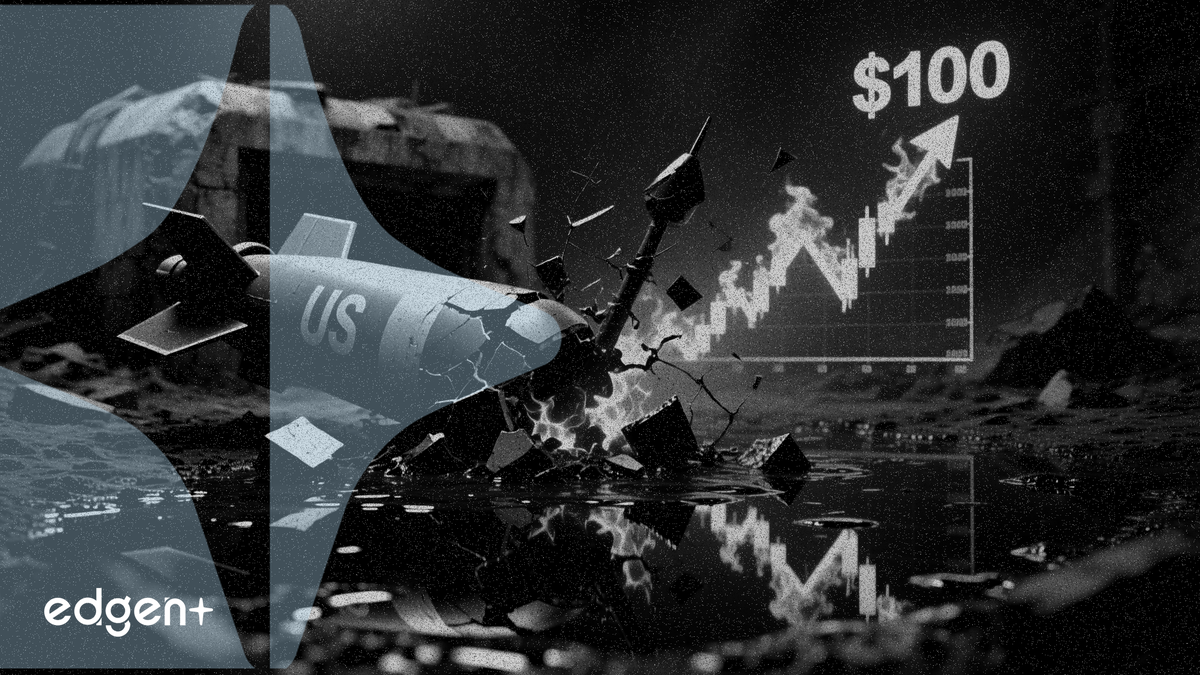
Iran’s Islamic Revolutionary Guard Corps claimed on April 26 to have destroyed three powerful US GBU-57 bunker-buster bombs, according to state media, escalating a conflict that has pushed global oil prices up by 35% since it began. The IRGC’s special forces also reportedly dismantled a fourth unexploded bomb in Zanjan province.
The claim follows a direct warning from Iran’s First Vice President, Mohammad Reza Aref. “The choice is clear: either a free oil market for all, or the risk of significant costs for everyone,” Aref said in a social media post, vowing to enforce restrictions on the Strait of Hormuz.
The renewed tension sent Brent crude, the international benchmark, climbing back toward $100 a barrel, after trading as high as $95.89 earlier in the week. US West Texas Intermediate crude also saw gains, reaching $89.31. The standoff has sharply curtailed traffic through the strait, which normally handles about 20% of the world’s traded oil.
The incident threatens to derail a fragile, two-week ceasefire set to expire this week, with Pakistan-led negotiations hanging in the balance. With US President Donald Trump stating he is “highly unlikely” to renew the ceasefire, the risk of a wider conflict and a severe global energy crisis is growing, as markets watch for Iran's promised retaliation for recent US vessel seizures.
The GBU-57, a 30,000-pound earth-penetrating bomb, was used by the US in strikes against Iranian nuclear facilities last year and more recently in the current conflict, according to reports. The US has been enforcing a naval blockade on Iranian ports, seizing two tankers, the Tifani and Majestic X, in the past week for allegedly smuggling sanctioned Iranian crude. Iran’s military command called the seizures an act of piracy and a ceasefire violation.
The conflict, which began on Feb. 28, has already had a significant human cost. Iran reported Monday that at least 3,375 people have been killed in the country. This includes 13 US service members, 23 people in Israel, and over 2,290 in Lebanon, where fighting broke out between Israel and Iran-backed Hezbollah militants.
Diplomatic efforts are faltering. Iranian officials confirmed they would not attend a second round of US-proposed negotiations before the ceasefire expires. While more than 20 vessels transited the Strait of Hormuz on Saturday, the busiest day since March 1, Iran’s threat to again restrict passage keeps energy markets on edge.
This article is for informational purposes only and does not constitute investment advice.