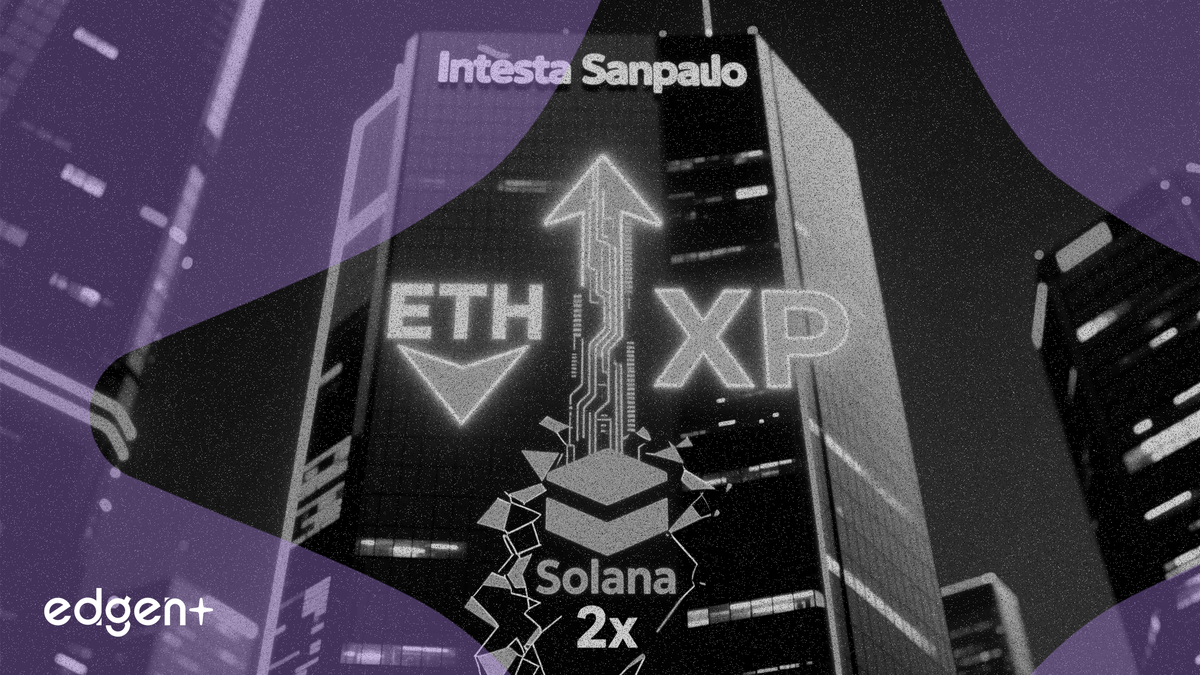
Ngân hàng lớn nhất Ý, Intesa Sanpaolo, đã tăng gấp đôi lượng nắm giữ tiền điện tử lên 235 triệu USD trong quý đầu tiên của năm 2026, thực hiện một sự thay đổi chiến lược quan trọng bằng cách thêm các vị thế mới trong Ethereum (ETH) và XRP trong khi cắt giảm tỷ trọng phân bổ cho Solana (SOL).
"Động thái này của một ngân hàng lớn ở châu Âu có thể làm tăng niềm tin của các tổ chức vào Ethereum và XRP, có khả năng thúc đẩy hành động giá tích cực cho các tài sản đó," một nhà phân tích lưu ý. "Nó cũng có thể báo hiệu một sự luân chuyển chiến lược của các bên chơi lớn khỏi một số tài sản nhất định, ảnh hưởng đến tâm lý thị trường rộng lớn hơn và dòng vốn đầu tư."
Các hồ sơ của ngân hàng cho thấy một sự luân chuyển rõ ràng dựa trên các chất xúc tác cụ thể cho từng tài sản. Việc phân bổ mới cho XRP diễn ra khi Đạo luật CLARITY, đề xuất phân loại XRP là một hàng hóa kỹ thuật số, đang tiến triển tại Thượng viện Hoa Kỳ, một sự phát triển thúc đẩy dòng vốn tổ chức ổn định vào các quỹ ETF XRP. Việc đầu tư vào Ethereum phù hợp với vai trò nền tảng của nó trong việc mã hóa tài sản của các tổ chức, một lĩnh vực được dự báo sẽ tăng trưởng đáng kể. Việc giảm tỷ trọng Solana tương phản với một số xu hướng thị trường, chẳng hạn như bản nâng cấp Alpenglow gần đây của nó, cho thấy động thái của Intesa là một sự tái phân bổ có chủ đích, dựa trên chất xúc tác hơn là một sự rút lui trên toàn lĩnh vực.
Việc điều chỉnh danh mục đầu tư của Intesa làm nổi bật một chiến lược tổ chức tinh vi: đầu tư vào các tài sản kỹ thuật số với các chất xúc tác cụ thể, ngắn hạn trong khi cắt giảm những tài sản mà chất xúc tác đã qua hoặc còn xa. Điều này phản ánh một mô hình được thấy trong các dòng vốn ETF, nơi các tài sản như XRP và Solana đã thu hút tiền dựa trên tin tức về tiến triển quy định hoặc nâng cấp công nghệ, trong khi dòng vốn Ethereum biến động hơn, thiếu một động lực duy nhất, sắp xảy ra. Điều này báo hiệu một thị trường đang trưởng thành, nơi các bên chơi lớn đang đưa ra những đặt cược sắc thái hơn ngoài Bitcoin.
XRP và Ethereum được ưa chuộng nhờ các chất xúc tác rõ ràng
Khoản đầu tư mới của Intesa Sanpaolo vào XRP phù hợp với làn sóng định vị của các tổ chức trước thềm một cuộc bỏ phiếu tiềm năng tại Thượng viện Hoa Kỳ về Đạo luật CLARITY. Dữ liệu cho thấy các quỹ ETF XRP giao ngay đã ghi nhận dòng vốn vào tích lũy hơn 80 triệu USD trong tháng 5, được thúc đẩy bởi triển vọng về sự chắc chắn của các quy định. Standard Chartered dự báo rằng một khuôn khổ pháp lý rõ ràng có thể thúc đẩy 4 đến 8 tỷ USD dòng vốn vào các quỹ ETF XRP tích lũy vào cuối năm, và động thái của Intesa có vẻ là một bước thâm nhập sớm vào giao dịch đó.
Việc ngân hàng bổ sung Ethereum, bất chấp dòng vốn ETF chảy ra gần đây, chỉ ra một luận điểm dài hạn tập trung vào việc mã hóa (tokenization). Với các nền tảng như Franklin Templeton, Securitize và những nền tảng khác đang xây dựng các nền tảng mã hóa tài sản thế giới thực (RWA) trên Ethereum, vai trò của nó như một lớp thanh toán tổ chức đang mở rộng. Trong khi các quỹ ETF ETH giao ngay đã bị rút 189 triệu USD trong đợt kéo dài bốn ngày vào tháng 5, các giai đoạn khác đã thấy dòng vốn vào mạnh mẽ, với BlackRock và Fidelity dẫn đầu, cho thấy một thị trường tổ chức phức tạp nhưng tích cực cho ETH.
Solana bị cắt giảm bất chấp các phát triển tích cực
Quyết định cắt giảm tỷ trọng Solana đặc biệt đáng chú ý trong bối cảnh tài sản này cũng có những phát triển tích cực. Các quỹ ETF Solana giao ngay gần đây đã ghi nhận 11 ngày liên tiếp có dòng vốn vào, thêm 100 triệu USD, một phần nhờ bản nâng cấp Alpenglow được triển khai trên testnet. Bản nâng cấp hứa hẹn sẽ cắt giảm thời gian hoàn tất khối, giúp mạng lưới cạnh tranh với các kênh thanh toán truyền thống. Hơn nữa, quỹ hiến tặng của Đại học Dartmouth gần đây đã tiết lộ một vị thế trong một quỹ ETF Solana, cho thấy sự quan tâm liên tục của các tổ chức.
Sự cắt giảm của Intesa gợi ý một lựa chọn chiến lược để củng cố vào các tài sản có chất xúc tác tức thời hơn hoặc theo quan điểm của họ là quan trọng hơn. Nó nhấn mạnh rằng trong không gian altcoin ngày càng đông đúc, các tổ chức lớn đang trở nên chọn lọc hơn, buộc các tài sản phải cạnh tranh không chỉ về mặt kỹ thuật mà còn về sự rõ ràng và thời điểm của câu chuyện tăng trưởng.
Bài viết này chỉ nhằm mục đích cung cấp thông tin và không cấu thành lời khuyên đầu tư.