


Key Takeaways:
- Apple agreed to design and manufacture chips with Intel in the US
- Intel shares surged as much as 5.7% in overnight trading
- The deal threatens TSMC's estimated $18B-$20B in annual Apple revenue
Key Takeaways:
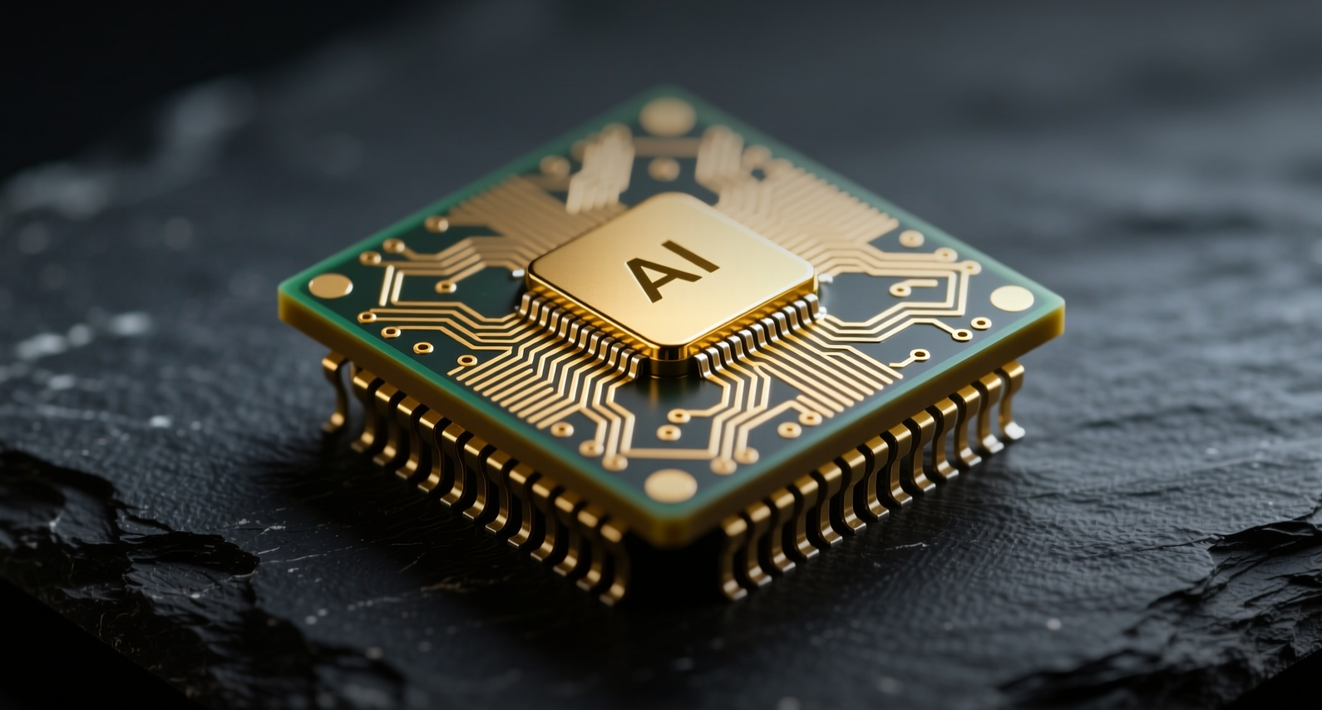
Apple's agreement to design and manufacture chips with Intel hands the foundry business its most valuable customer yet.
Apple has agreed to work with Intel to design and manufacture semiconductors in the US, President Donald Trump said Thursday, handing Intel's foundry push its biggest endorsement after more than a year of negotiations.
"Apple has agreed to work with Intel to design and manufacture its chips in the United States," Trump said in a Truth Social post. Neither company immediately responded to requests for comment.
Intel shares rose as much as 5.7% in overnight trading and were up about 2.7% in after-hours trading. The Wall Street Journal reported in May that Intel had reached a preliminary deal to make some chips for Apple after more than a year of discussions. Intel earlier this week said its 18A manufacturing technology had entered initial production.
The partnership, if confirmed, would give Intel a marquee customer that currently relies almost entirely on Taiwan Semiconductor Manufacturing Co. for its processors. Apple designs its own A-series and M-series chips but has no in-house manufacturing, making it the most valuable potential client for any foundry operator.
Intel has been working to rebuild its contract manufacturing business after years of lagging behind TSMC in process technology. The Trump administration took a 10% stake in Intel last year and committed roughly $10 billion to build or expand US factories as part of a broader push to secure domestic semiconductor supply chains. That stake has since grown to be worth more than $50 billion.
An Apple contract provides Intel with steady, high-volume demand from one of the world's largest consumer electronics companies. Apple sold more than 230 million iPhones in fiscal 2025, each powered by chips that currently flow through TSMC's fabs in Taiwan. Shifting even a portion of that volume to Intel's US facilities would represent a meaningful revenue stream for the foundry business.
The deal threatens TSMC's dominance in advanced logic manufacturing. The Taiwanese chipmaker currently produces Apple's A-series and M-series processors on its 3nm and upcoming 2nm nodes, generating an estimated $18 billion to $20 billion in annual revenue from Apple alone, according to industry estimates. Any shift of Apple wafer allocation to Intel would directly reduce TSMC's capacity utilization and pricing power.
The partnership also aligns with Washington's broader semiconductor onshoring strategy. The Trump administration has taken equity stakes in multiple chip companies and pushed for domestic production of critical components. Nvidia and Tesla have also agreed to build chips with Intel, according to Trump's earlier statements.
Intel shares trade at roughly 22 times forward earnings, a discount to TSMC's 28 times multiple, reflecting the market's skepticism about Intel's foundry turnaround. An Apple win would narrow that gap. But the deal's financial terms and production timeline remain undisclosed, and Intel's 18A node — the technology likely to produce Apple's chips — has yet to demonstrate it can match TSMC's yield and performance at scale.
This article is for informational purposes only and does not constitute investment advice.
