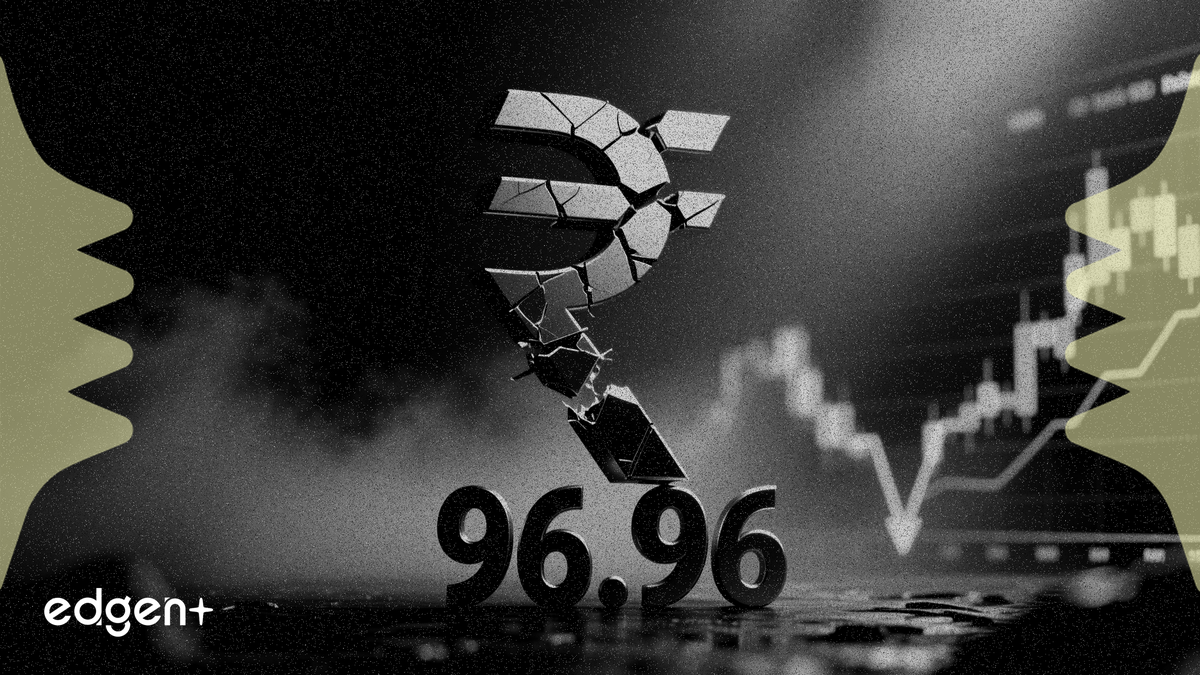
Thống đốc Ngân hàng Dự trữ Ấn Độ Sanjay Malhotra đã đưa ra một tuyên bố hiếm hoi và trực tiếp về định giá của đồng rupee, gợi ý rằng đồng tiền này hiện đang bị định giá thấp sau đợt trượt giá gần đây và xác nhận ngân hàng trung ương sẽ sử dụng toàn bộ kho vũ khí của mình để bảo vệ nó.
Trong một can thiệp bằng lời nói quan trọng, người đứng đầu ngân hàng trung ương Ấn Độ cho biết có lý do để tin rằng đồng rupee hiện đang bị định giá thấp sau đợt giảm giá 13% gần đây, báo hiệu một cách tiếp cận mạnh mẽ hơn trong quản lý tiền tệ khi quốc gia này phải chiến đấu với dòng vốn tháo chạy và lạm phát gia tăng. Thống đốc Sanjay Malhotra xác nhận Ngân hàng Dự trữ Ấn Độ sẽ sử dụng tất cả các công cụ của mình, bao gồm khoảng 700 tỷ USD dự trữ ngoại hối, để đảm bảo sự ổn định. Các bình luận này được đưa ra ngay trước cuộc họp chính sách tiền tệ ngày 5 tháng 6 của ngân hàng.
"Việc thống đốc công khai nói về định giá cho thấy ngân hàng trung ương không để lại bất kỳ viên đá nào để ngăn chặn sự trượt giá của đồng rupee trong bối cảnh áp lực cán cân thanh toán mạnh mẽ", Dhiraj Nim, một nhà kinh tế tại Ngân hàng ANZ, cho biết trong một ghi chú. Ông nói thêm rằng điều này có nghĩa là các hành động gần đây của RBI để bảo vệ đồng tiền có khả năng sẽ được duy trì.
Đồng rupee đã giảm xuống mức thấp kỷ lục 96,96 so với đồng đô la vào tuần trước trước khi sự can thiệp phối hợp của ngân hàng trung ương giúp nó phục hồi lên mức 95,69 vào lúc đóng cửa thứ Sáu. Áp lực bắt nguồn từ dòng vốn nước ngoài tháo chạy đáng kể, với dòng vốn ròng từ các nhà đầu tư danh mục đầu tư nước ngoài (FPI) vượt quá 22,2 tỷ USD kể từ đầu tháng Giêng, theo dữ liệu từ sàn giao dịch. Đồng tiền đã suy yếu khoảng 6% so với đầu năm.
Bình luận trực tiếp của RBI nhằm mục đích trấn an thị trường và tăng rủi ro cho những nhà đầu cơ đặt cược chống lại đồng rupee. Trong khi hầu hết các nhà kinh tế kỳ vọng RBI sẽ giữ nguyên lãi suất điều hành chính tại cuộc họp ngày 5 tháng 6, ngân hàng trung ương đang đánh giá nhiều lựa chọn để ngăn chặn dòng vốn chảy ra, bao gồm khả năng tăng lãi suất và cung cấp tài trợ bằng đô la cho các nhà đầu tư nước ngoài.
Một quan điểm trực tiếp bất thường
Những bình luận rõ ràng của Thống đốc Malhotra về định giá là một sự khởi đầu rõ rệt so với sự mơ hồ truyền thống của RBI về giá trị hợp lý của đồng tiền. "Với sự mất giá gần đây, sẽ là hợp lý khi nghĩ rằng đồng rupee không bị định giá cao. Nếu có gì, người ta có thể lập luận rằng đồng rupee đã trở nên bị định giá thấp", ông Malhotra cho biết trong một cuộc phỏng vấn vào ngày 25 tháng 5 với tờ báo Mint. Điều này diễn ra sau những nhận xét tương tự từ Cố vấn Kinh tế Trưởng V. Anantha Nageswaran, người tháng trước đã gọi đồng rupee là "bị định giá thấp về mặt cơ bản", gợi ý một nỗ lực phối hợp từ các nhà hoạch định chính sách để xây dựng một mức sàn dưới đồng tiền này.
Loại can thiệp bằng lời nói trực tiếp này là một công cụ cốt lõi cho các ngân hàng trung ương nhằm ảnh hưởng đến tâm lý thị trường mà không cần triển khai dự trữ. Để so sánh, Ngân hàng Trung ương Sri Lanka, hoạt động với dự trữ nhỏ hơn nhiều và theo chương trình của IMF, đã bị buộc phải cho phép tỷ giá hối đoái linh hoạt hơn, dẫn đến mức giảm giá 12% so với đầu năm cho đồng tiền của mình. Đệm dự trữ lớn của Ấn Độ cho phép RBI có một lập trường quyết đoán hơn.
Lạm phát và dòng vốn tháo chạy làm phức tạp chính sách
Việc điều động chính sách của RBI diễn ra trong một bối cảnh toàn cầu phức tạp. Cuộc xung đột đang diễn ra ở Tây Á đã đẩy chi phí năng lượng lên cao, góp phần vào sự chậm lại của toàn cầu và áp lực lạm phát đình trệ, theo một cuộc khảo sát Chỉ số Nhà quản trị mua hàng (PMI) chớp nhoáng của S&P Global gần đây. Tại Ấn Độ, điều này đã làm trầm trọng thêm lạm phát trong nước và nới rộng thâm hụt thương mại, vốn đã tăng lên 3,1% GDP trong năm tài chính 2025-26 từ mức 2,6% của năm trước.
Trong khi lạm phát giá tiêu dùng (CPI) của Ấn Độ trong tháng 4 vẫn ở dưới mục tiêu 4% của ngân hàng trung ương, lạm phát giá bán buôn đã tăng hơn gấp đôi lên 8,3%, cho thấy chi phí đầu vào cao hơn cho các nhà sản xuất có khả năng sẽ được chuyển sang người tiêu dùng. Điều này đặt RBI vào một vị thế khó khăn, vì việc tăng lãi suất để bảo vệ đồng tiền có thể bóp nghẹt tăng trưởng kinh tế, trong khi không làm như vậy có nguy cơ dòng vốn tháo chạy thêm và lạm phát nhập khẩu. Ông Malhotra thừa nhận tình hình cán cân thanh toán đòi hỏi "sự chú ý phối hợp" từ chính phủ và ngân hàng trung ương.
Bài viết này chỉ dành cho mục đích thông tin và không cấu thành lời khuyên đầu tư.