
Un segundo ataque contra un barco en dos meses que involucra a una embarcación india ha intensificado la crisis en el estrecho de Ormuz, amenazando con interrumpir aún más los flujos de energía globales.
Un segundo ataque contra un barco en dos meses que involucra a una embarcación india ha intensificado la crisis en el estrecho de Ormuz, amenazando con interrumpir aún más los flujos de energía globales.
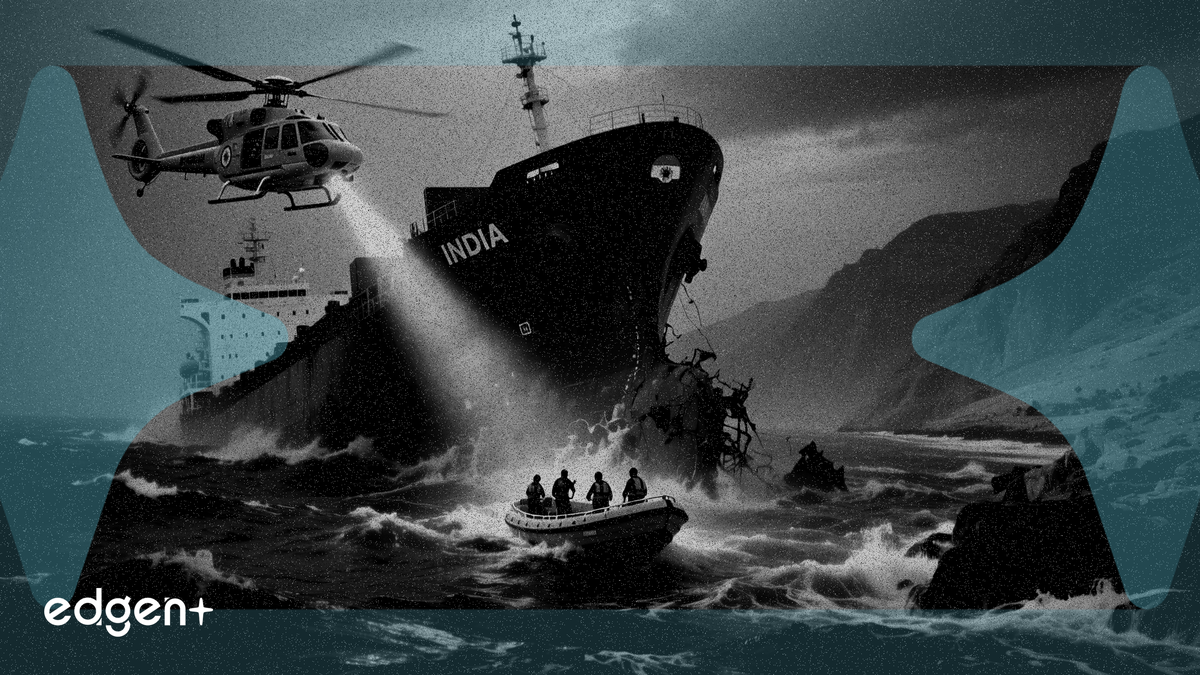
Un carguero con bandera de la India y 14 tripulantes se hundió frente a las costas de Omán el miércoles tras un presunto ataque con misiles, informaron las autoridades, mientras que un segundo buque fue incautado cerca de los Emiratos Árabes Unidos (EAU), lo que eleva las tensiones en una vía marítima por la que transita una quinta parte del petróleo mundial.
"El ataque contra un barco con bandera india frente a las costas de Omán ayer es inaceptable, y lamentamos el hecho de que el transporte comercial y los marineros civiles sigan siendo blanco de ataques", declaró el jueves el Ministerio de Asuntos Exteriores de la India en un comunicado, confirmando que los 14 tripulantes fueron rescatados.
El carguero, identificado por la firma de seguridad marítima Vanguard como el MSV Haji Ali, transportaba ganado desde Somalia hacia Sharjah, en los EAU, cuando una explosión provocó un incendio, obligando a la tripulación a abandonar el barco antes de que se hundiera. El centro de Operaciones de Comercio Marítimo del Reino Unido (UKMTO) también informó de un incidente separado el jueves, en el que un buque fue incautado por personal no autorizado a 38 millas náuticas del puerto de Fujairah, en los EAU, y se dirigía hacia aguas iraníes.
Estos incidentes amplifican los riesgos para la navegación comercial en el Golfo, particularmente alrededor del estrecho de Ormuz, que Irán controla en gran medida desde el estallido de la guerra con Estados Unidos e Israel. Las continuas interrupciones amenazan con generar una mayor volatilidad en los mercados de petróleo y gas, aumentando la presión sobre los principales importadores de energía, como la India.
## Irán afirma su control en medio de conversaciones diplomáticas
Los ataques ocurrieron mientras la India recibía a los ministros de Asuntos Exteriores del bloque BRICS, incluido el viceministro de Asuntos Exteriores de Irán, Abbas Araghchi. Aunque Araghchi no mencionó directamente el ataque, insistió en que el estrecho de Ormuz "está abierto para todos" los buques comerciales que "cooperen" con su marina. Esto ocurre tras informes de que Irán ha comenzado a conceder paso selectivo a algunos buques; dos petroleros de gas licuado de petróleo (GLP) con destino a la India, el Symi y el NV Sunshine, transitaron el estrecho en las últimas 24 horas tras un parón de casi dos semanas.
Teherán ha defendido su derecho a incautar barcos vinculados a EE. UU., y un portavoz del poder judicial declaró a los medios estatales que Irán tiene el derecho legal de hacerlo. El vicepresidente senior de Irán, Mohammadreza Aref, reiteró que el estrecho "siempre ha sido nuestra propiedad" y que no se renunciará a él "a ningún precio". Este es al menos el tercer barco con bandera o vinculado a la India atacado desde que comenzó el conflicto el 28 de febrero, lo que llevó a la India a convocar al enviado iraní el mes pasado para expresar su "profunda preocupación".
## Implicaciones geopolíticas más amplias
La escalada llega en un momento diplomático tenso. La Casa Blanca declaró que durante una visita a Pekín, el presidente estadounidense Donald Trump y el líder chino Xi Jinping acordaron que el estrecho de Ormuz debe permanecer abierto. Poco después, los medios iraníes informaron que buques chinos comenzaron a pasar por el estrecho bajo los nuevos protocolos iraníes tras las peticiones de Pekín.
Añadiendo otra capa de complejidad, el primer ministro israelí, Benjamin Netanyahu, anunció una reciente visita discreta a los EAU, una afirmación que estos últimos negaron. La normalización de relaciones en 2020 entre ambos países ha sido un punto de fricción para Irán. Yoel Guzansky, investigador senior del Instituto de Estudios de Seguridad Nacional de Tel Aviv, señaló que la profunda cooperación en seguridad entre Israel y los EAU contra Irán muestra "lo complicado que es el Oriente Medio".
---
Este artículo tiene fines puramente informativos y no constituye asesoramiento de inversión.
