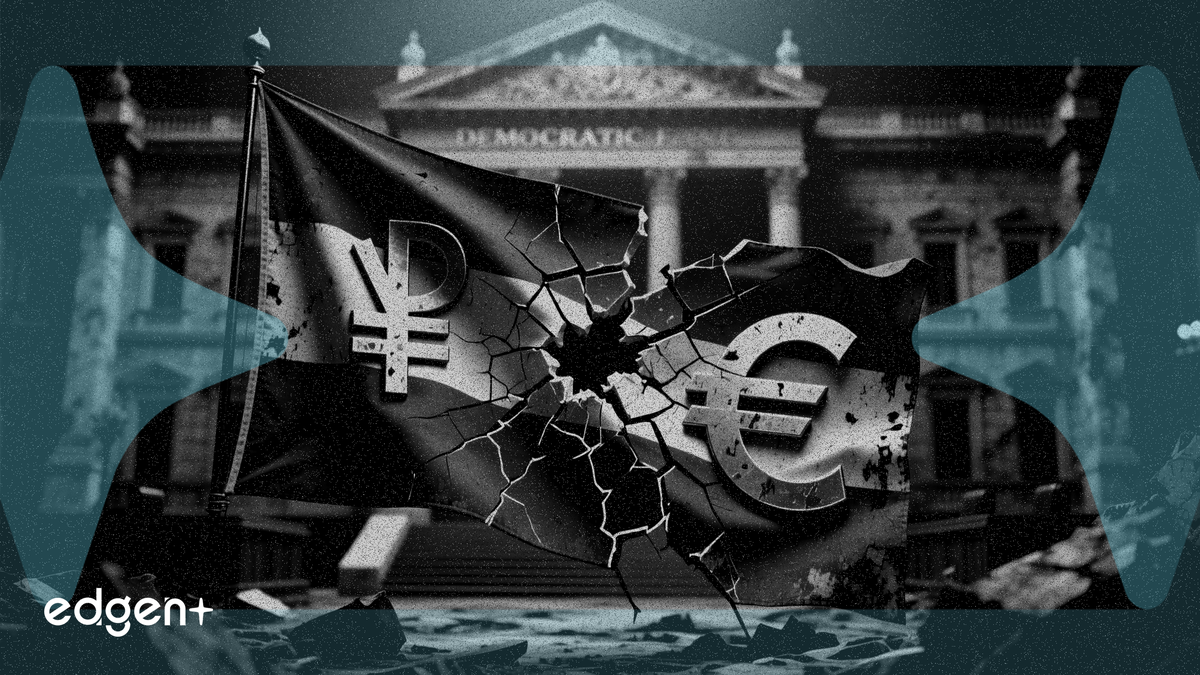
A letter to the editor in the Wall Street Journal from Ildiko Modra of Budapest argues that despite a recent election ousting Viktor Orbán, Hungary's democratic institutions have been significantly weakened, a trend that poses a tangible risk to the country's assets and its standing within the European Union. The letter, dated April 20, 2026, pushes back against the notion that the election result alone proves the resilience of the nation's democracy, pointing to a decade of erosion. This institutional decay introduces a fresh layer of uncertainty for investors, potentially increasing the risk premium on Hungarian government bonds and the forint.
"The fact that voters ultimately removed Mr. Orbán doesn’t erase those distortions; it shows they weren’t insurmountable," Ms. Modra wrote in her letter. She argues that conflating the election's outcome with a clean bill of health for the country's democracy is a "false equivalence."
The core of the argument rests on the systematic dismantling of checks and balances over the past decade. This includes the concentration of media ownership under allies of the former ruling party and the use of state resources to create an uneven political playing field. While Hungary remains a formal democracy, these actions have impacted the rule of law, a key criterion for EU funding and international investor confidence. The Hungarian forint has been one of the most volatile currencies in the region, often reacting to clashes between Budapest and Brussels over rule-of-law disputes, which have resulted in the freezing of billions of euros in EU funds.
The key challenge for the new government will be to reverse this institutional decay. The process of strengthening judicial independence and ensuring media plurality will be a long-term endeavor, with significant implications for Hungary's economic stability. The last time a similar level of political transition occurred in a Visegrád Group country with rule-of-law concerns, Poland in 2023, the zloty and Warsaw-listed stocks rallied sharply. However, the depth of Hungary's institutional capture may present a more difficult path, and markets will be watching closely for any signs of backsliding or, conversely, genuine reform.
This article is for informational purposes only and does not constitute investment advice.