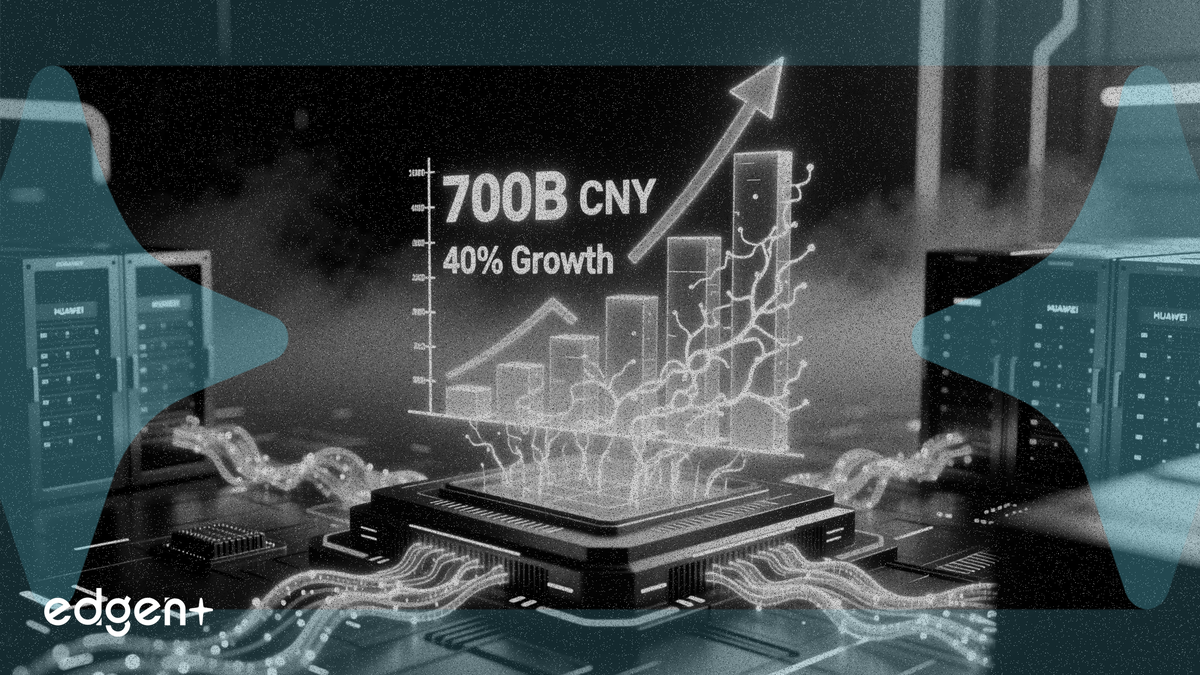
Huawei Technologies, işletmelerin dijital harcamalarını 2026 yılına kadar yüzde 40'a varan oranlarda artırmasıyla Çin'in endüstriyel yapay zeka çıkarım pazarının 700 milyar yuanı aşacağını öngörüyor; bu da yapay zeka yatırımlarında ölçülebilir getiri sağlanan yeni bir aşamaya girildiğini gösteriyor.
Üst düzey bir yönetici, kurumsal yapay zeka benimsenmesinin pilot projelerden ölçekli dağıtıma geçmesiyle Huawei Technologies'in Çin'in endüstriyel yapay zeka pazarının altyapı harcamalarında 700 milyar yuanın (96,6 milyar dolar) üzerinde bir hacim yaratacağını öngördüğünü belirtti. Teknoloji devi, kurumsal dijitalleşme harcamalarının gelirin yüzde 2,5'inden 2026 yılına kadar yüzde 3,5'ine çıkacağını tahmin ediyor; bu yüzde 40'lık artış, firmaların yapay zekadan doğrudan getirileri ölçme kabiliyetinin arttığını yansıtıyor.
Huawei Çin Kurumsal İş Birimi Başkan Yardımcısı Guo Zhenxing, 15 Mayıs'ta Şanghay'da düzenlenen AI+ İmalat Sanayi Zirvesi'nde yaptığı açıklamada, "2025'te 'Sanayi + Yapay Zeka'nın değeri pazar tarafından tescillendi; artık bir kavram veya pilot çalışma olmaktan çıktı," dedi.
Bu öngörü, Çin genelinde yapay zeka yatırımlarındaki daha geniş kapsamlı bir hızlanma ile destekleniyor. Araştırma firması IDC, ülkenin toplam yapay zeka harcamalarının 2029 yılına kadar 110 milyar doları aşacağını tahmin ediyor. Huawei'nin projeksiyonu, özellikle eğitimli yapay zeka modellerinin cevaplar üretmek ve uygulamaları çalıştırmak için kullanılması olan "çıkarım" (inference) pazarındaki fırsatı ayrıştırıyor; bu, şirketlerin ilk eğitim aşamasını geçmesiyle altyapı kurulumlarının ana itici gücü haline geliyor.
"Kavram olarak yapay zeka"dan "kar-zarar itici gücü olarak yapay zeka"ya geçiş, Çinli teknoloji devleri arasında sermaye yoğun bir silahlanma yarışını zorunlu kılıyor. Alibaba Group Holding Ltd. kısa süre önce 2025 mali yılı için temel ticaret karında yüzde 84'lük bir düşüş açıkladı; bunun temel nedeni nakit akışını 50 milyar dolarlık üç yıllık bir yapay zeka ve bulut altyapı planına yönlendirmekti. Yatırımcılar için Huawei'nin öngörüsü, bu yeni yatırım dalgasının birincil yararlanıcıları olarak çip üreticilerinden bulut sağlayıcılarına kadar dijital omurgayı inşa eden şirketlere odaklanmayı keskinleştiriyor.
'Kavram'dan Ölçülebilir Yatırım Getirisine (ROI)
Guo, 2026 için üç büyük değişimin ana hatlarını çizdi: dijitalleşme yatırımlarının artması, temel dijital altyapının yükseltilmesi ve yapay zeka odaklı endüstri çözümlerinin değerinin artması. Temel değişimin, işletmelerin artık üretim, finans ve lojistik gibi alanlarda yapay zekanın finansal faydalarını hesaplayabilmesi olduğunu savundu. 100 milyar yuan geliri olan bir şirket için dijital harcamalardaki beklenen artış, 3,5 milyar yuana kadar bir yatırım anlamına geliyor.
Bu trend tesadüfen gerçekleşmiyor. Alibaba'nın Bulut Zekası Grubu, yapay zeka kurulum maliyetlerinin grup karlılığı üzerinde ağır bir baskı oluşturmasına rağmen son mali yılında gelirini yüzde 38 artırdı. Rekabet baskısı Baidu, Tencent ve ByteDance'e kadar uzanıyor; bunların hepsi tescilli büyük dil modelleri ve bunları çalıştıracak veri merkezlerini inşa etmek için milyarlarca dolarlık yatırımlar yapıyor. Guo'ya göre Çin'deki büyük ölçekli imalat işletmelerinin yüzde 30'undan fazlası, bu geçişi yönetmek için halihazırda yapay zeka ile ilgili özel birimler kurmuş durumda.
Çıkarım donanımına odaklanılması küresel pazar trendleriyle de örtüşüyor. Nvidia, yapay zeka eğitim çipleri pazarına hakim olsa da, yakın tarihli bir New York Times analizinde belirtildiği gibi, çıkarım yapmayı sağlayan yarı iletkenler üreten şirketlerin (Intel, Samsung ve Taiwan Semiconductor Manufacturing Company - TSMC gibi) hisse fiyatları 2026'da fırladı. Küresel çip şirketlerini takip eden Philadelphia Yarı İletken Endeksi (SOX) bu yıl yüzde 70'in üzerinde değer kazandı.
Artan Talep Ortasında Yetenek Darboğazı
Bu genişlemenin önündeki temel engel sermaye değil, yetenektir. Guo, hem yapay zeka teknolojisini hem de belirli endüstri süreçlerini anlayan "disiplinlerarası yetenek" (复合型人才 - fùhéxíng réncái) konusunda ciddi bir kıtlık olduğuna dikkat çekti.
Akıllı sürüş sektörünü çarpıcı bir örnek olarak gösteren Guo, burada yeni iş ilanlarının 2025'te 28 kat arttığını belirtti. Temel algoritma pozisyonları için arzın talebe oranı sadece 0,79'du; bu da 44.000 kişilik net bir yetenek açığını temsil ediyor. Bu beşeri sermaye kısıtı, Huawei ve IDC'nin öngördüğü büyüme üzerinde temel sınırlayıcı faktör haline gelebilir ve bu nadir bulunan uzmanları çekebilen ve elde tutabilen şirketlerin değerini artıracaktır.
Bu makale yalnızca bilgilendirme amaçlıdır ve yatırım tavsiyesi niteliği taşımaz.