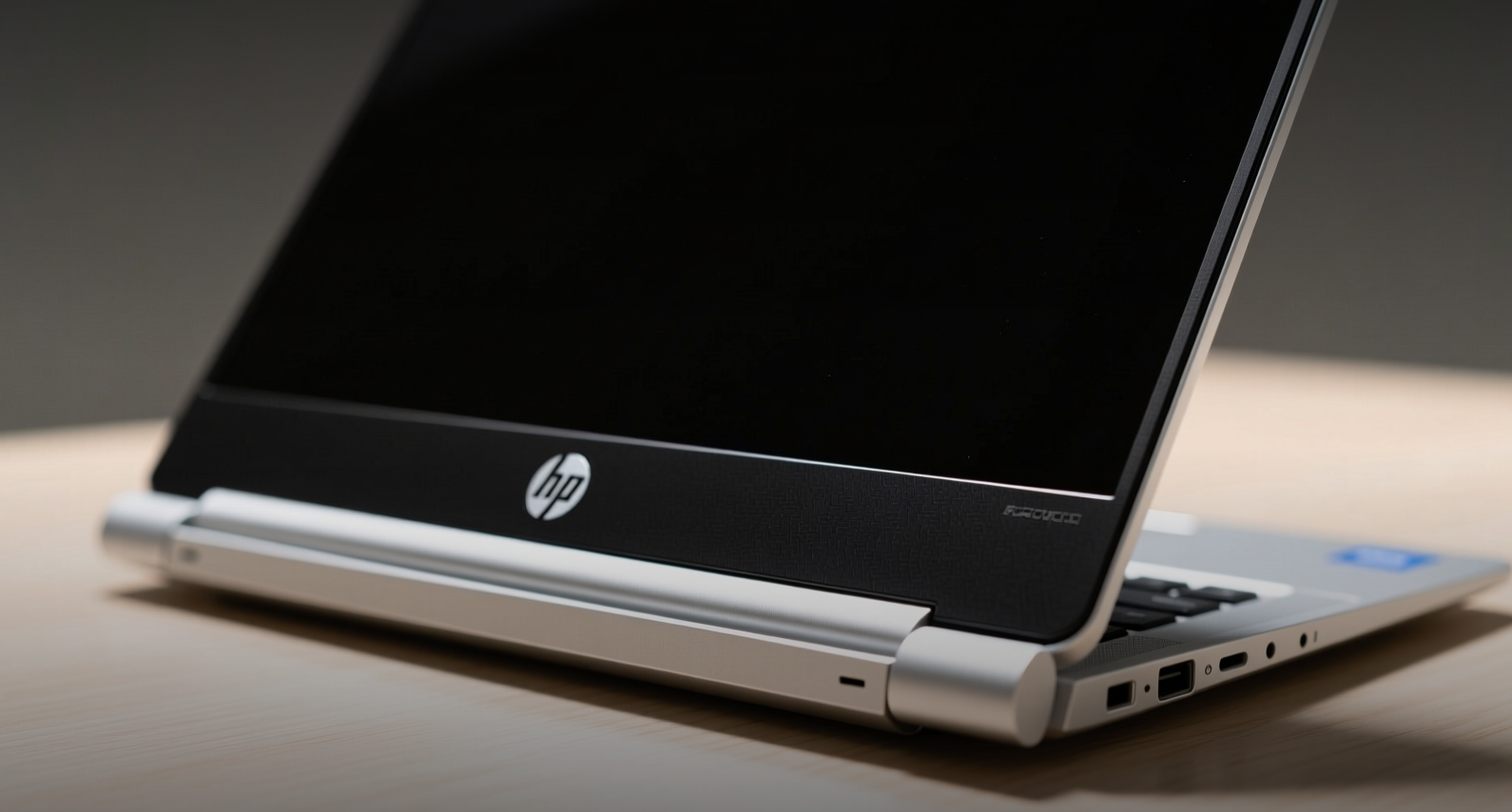
HP Inc. is turning early AI pilots into enterprise-wide production systems. The PC and printer maker announced a strategic partnership with OpenAI on June 28, deploying the Frontier platform across customer experiences, security operations, and software development in 180 countries.
"With the use of Frontier platform, HP is planning to build a more consistent experience across store, partner, chat, and voice experiences, giving customers and partners faster ways to get answers, complete routine workflows, and move toward resolution," Prakash Arunkundrum, chief strategy and transformation officer at HP Inc., said.
The partnership follows a four-month exploratory period that began in February 2026, during which HP tested Frontier's agentic capabilities, security features, and enterprise integration. Early results included one engineer moving through 122 pull requests across 43 projects in weeks, and a security team remediating several software bugs in a single day — work they estimated could have taken up to a month. HP said OpenAI tools freed roughly 82 hours of security-team capacity per week.
HP becomes one of the first global enterprises to adopt Frontier as a unified operating layer for AI. The platform will connect pricing, partner portal, store, and customer support workflows — a critical move given that more than 80 percent of HP's $57.4 billion in annual revenue flows through its channel ecosystem of 100,000-plus partners. Frontier will also integrate with HP's Workforce Experience Platform, which Gartner named a Leader in its 2026 Magic Quadrant for Digital Employee Experience Management Tools, to help IT teams diagnose device issues using fleet telemetry.
How HP is deploying AI across the enterprise
The partnership covers four primary areas: customer and partner-facing solutions, device telemetry and reporting through WXP, employee productivity tools, and software development. HP is using ChatGPT for knowledge work such as research and workflow automation, while Codex supports software modernization and parallel delivery tasks.
On the hardware side, HP said it is building a suite of agentic AI devices with dedicated hardware optimized for always-on inference workloads. The company did not disclose specific chip partners or performance specs, but the move positions HP to compete with Dell and Lenovo in the emerging market for AI-optimized PCs and workstations. HP's customers are building workspaces that include PCs, printers, and collaboration tools managed through a single WXP dashboard.
"HP has been an exceptional early partner, turning early value from OpenAI APIs and tools like ChatGPT and Codex into repeatable systems," Denise Dresser, chief revenue officer at OpenAI, said. "We're thrilled to go deeper with them as they move beyond Frontier pilots to deliver measurable business impact at scale."
What the partnership means for investors
HP reported Q2 fiscal 2026 earnings that beat consensus estimates, with earnings per share of $0.86 against the $0.71 forecast and revenue of $14.4 billion versus the $13.99 billion expected. The stock trades at $22.88, and the company has raised its dividend for nine consecutive years, currently yielding 5.24 percent.
The Frontier partnership signals that HP is betting its future on AI as a revenue driver rather than a cost center. If HP can convert its 100,000-partner ecosystem into an AI-powered self-service channel, the company could reduce support costs and accelerate partner-driven sales. But the real test will come when HP begins shipping its agentic AI devices — a market where Dell and Lenovo are also racing to establish positions. HP did not disclose pricing or availability dates for the new hardware.
This article is for informational purposes only and does not constitute investment advice.