Nvidia's GPU server prices are swinging like a commodity market, with component costs fluctuating as much as 40% in a single week.
Nvidia GPU server component costs are swinging as much as 40% in a single week, forcing cloud providers Nebius and Amazon Web Services to hike rental prices by as much as 30% as the AI infrastructure market confronts a new era of pricing volatility.
"Everything can change completely in two to three weeks — you simply cannot predict pricing, you can only lock in within an extremely narrow window," a person who sells Nvidia servers to cloud providers told The Information. The source said costs for input wafers produced by Taiwan Semiconductor Manufacturing Co., co-packaging, networking, cooling and — most significantly — memory components are all subject to sudden swings.
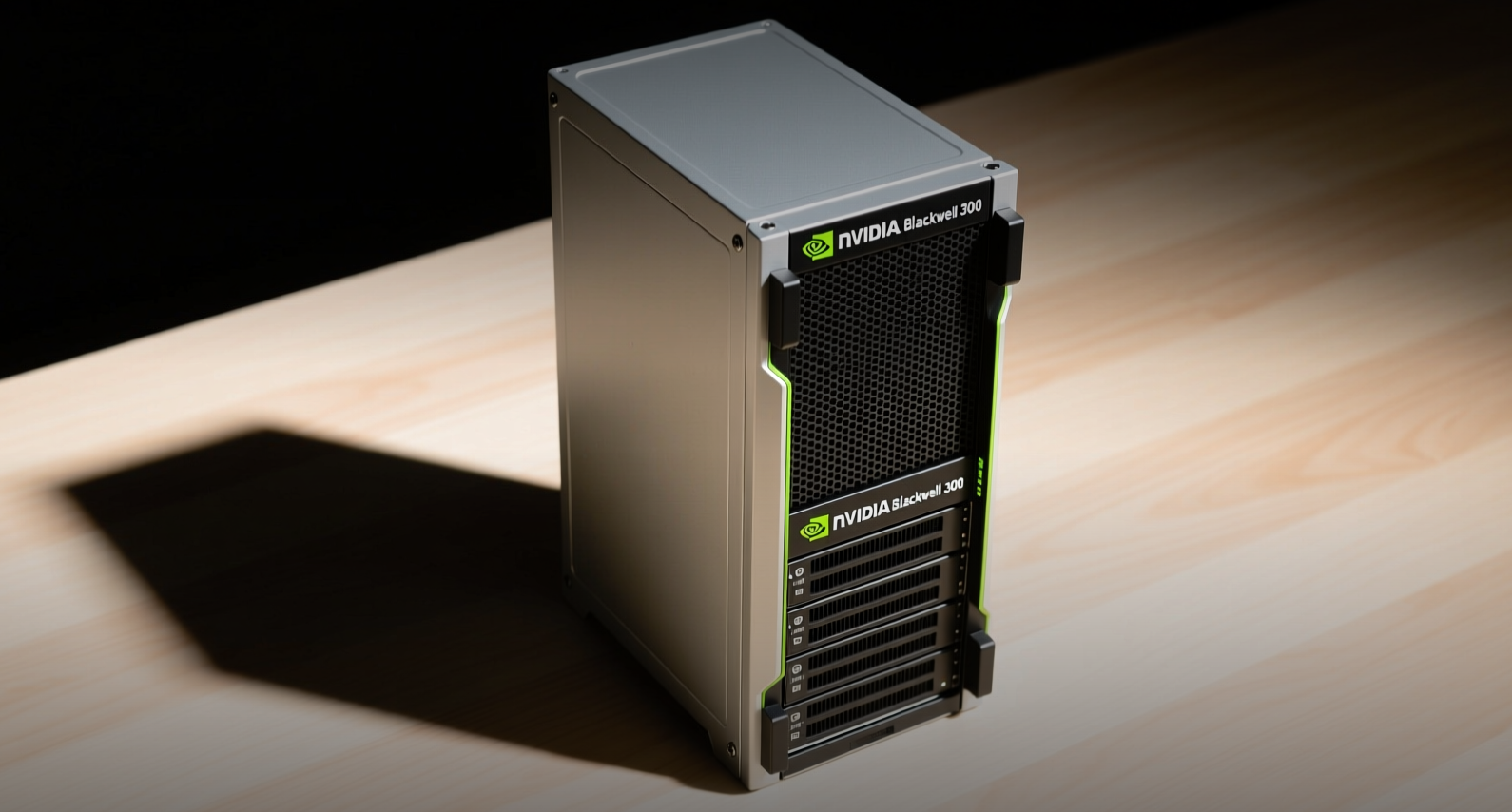
A single Grace Blackwell 300 rack, packed with 72 chip systems at $70,000 each, now costs roughly $5 million. The upcoming Vera Rubin rack is expected to fetch about $7 million, according to a customer executive involved in procurement. GB300 rack costs currently run 10 percent to 15 percent above baseline, with monthly increases stabilizing around 1 percent after more volatile periods earlier this year.
The volatility is reshaping the AI infrastructure market. GPU rental pricing is increasingly behaving like a commodity — tied to supply and demand rather than fixed contracts — with smaller AI developers bearing the brunt as cloud providers prioritize large customers. Nebius raised on-demand compute pricing by 30 percent on June 1, and Amazon Web Services will increase EC2 capacity block prices by about 20 percent starting July 1.
Nvidia's Pricing Power Grows as Margins Expand
Nvidia's dominance in the AI chip market gives it extraordinary pricing leverage. The company's gross margins have expanded by 15 to 20 percentage points over the past several years, reflecting its ability to command premium prices. An Nvidia spokesperson said server rack pricing depends on component costs and that the company works with server providers collaboratively, with prices varying across providers.
Memory chip makers, led by Micron Technology Inc., are exerting similar pricing pressure on Nvidia and other customers, driving up costs across products from Apple Macs to Nvidia GPUs. The dynamic illustrates how concentrated supply chains amplify cost volatility through the entire stack.
Smaller AI Developers Face a Squeeze
The pricing pressure falls hardest on smaller AI developers who rely on on-demand GPU rental rather than long-term contracts. Cloud providers are testing how much the market will bear during the current supply crunch, and some are allocating scarce server resources to large customers first.
Carmen Li, chief executive officer of pricing data provider Silicon Data, said GPU rental prices have begun to exhibit the same supply-and-demand characteristics as oil markets. Blackwell 200 chip rental prices have risen about 20 percent year to date, while older Nvidia chips saw cumulative increases of more than 20 percent over the past year before stabilizing in the last 30 days.
One AI model developer said prices doubled over a one-to-two-month period before pulling back in the past two weeks — a sign that the market is still finding its footing. The number of GPU cloud providers has surged, but pricing transparency remains low, with most providers declining to publish actual rates.
One investor in a GPU cloud provider acknowledged the risk: "For our core customers, there is a tipping point — once the economics stop working, their business is no longer viable, and we absolutely do not want to cross that line."
Nvidia shares, trading at roughly 35 times forward earnings, have benefited from the pricing power narrative. But the rising cost of AI infrastructure raises a fundamental question for the industry: at what point do compute costs begin to constrain the economics of AI applications themselves? For now, the answer depends on which side of the supply chain you sit.
This article is for informational purposes only and does not constitute investment advice.