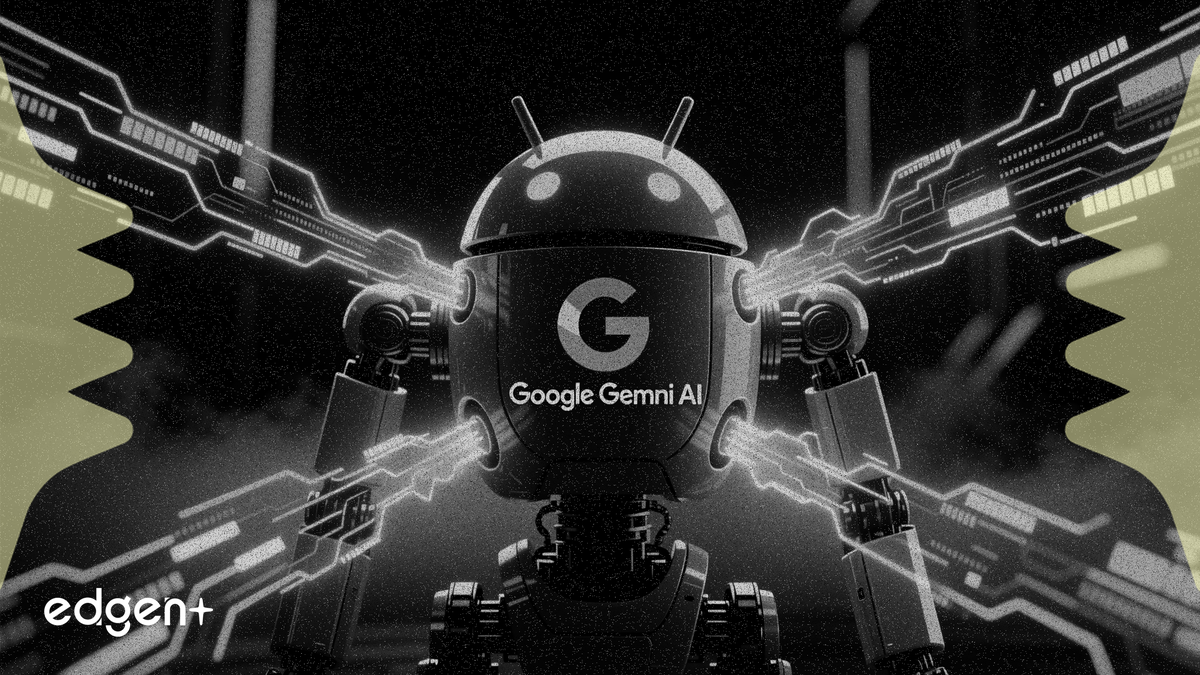
Alphabet Inc.'s Google is deeply integrating its Gemini artificial intelligence into the core of its Android operating system, affecting phones, cars, and a new laptop category, in a move to create an "intelligence system" just weeks before Apple is expected to detail its own AI strategy. The updates, announced at the company's Android Show, aim to make Gemini a proactive agent that automates daily tasks for users.
"We're transitioning from an operating system to an intelligence system," Sameer Samat, president of Google's Android ecosystem, said in an interview. He noted that the goal is to build AI "into the laptop in a different way that no one else has really hit on," signaling a direct challenge to both Apple's macOS and Microsoft's Windows.
The integration will allow Gemini to move across different apps to complete multi-step tasks, such as planning a menu from a guest list in Gmail and adding the ingredients to an Instacart order for approval. The new features will begin rolling out this summer to Samsung Galaxy and Google Pixel phones. The push comes as Alphabet's stock has climbed over 140% in the past year, with investors watching for Gemini to become more central to the products people use every day.
This strategic pivot puts Google in direct competition with OpenAI and Anthropic for AI services, while also positioning it as a key partner in Apple's own AI reboot. For investors, the key question is how these features will translate into ecosystem loyalty and revenue, with Google framing the AI push as a way to save users time and money, such as the new "Googlebook" line potentially saving billions in procurement costs for enterprises.
Gemini Transforms Android Into a Cross-App ‘Agent’
The most significant change is the evolution of Google's assistant from a reactive question-and-answer tool into a proactive agent. By leveraging on-screen context, Gemini will be able to understand user intent and string together actions across multiple services. For example, a user could ask Gemini to look at a guest list for a barbecue, build a menu, and add the necessary ingredients to an online shopping cart, with the system pausing for user approval before checkout.
Google executives emphasized that the "human is always in the loop," addressing concerns about agentic AI taking actions without permission. Users will have granular control over which apps Gemini can access. The initial rollout this summer will focus on the latest Samsung Galaxy and Google Pixel phones before expanding to other Android devices, watches, and more later in the year.
Android Auto Gets Biggest Makeover in a Decade
Android Auto, which is in more than 250 million cars, is also receiving a major overhaul centered on Gemini and a new design. The interface is being updated with Google's Material 3 Expressive design, allowing it to dynamically adapt to various screen sizes and shapes, a direct response to the fragmentation seen in vehicle dashboards.
The update introduces Immersive Navigation in Google Maps, rendering buildings and overpasses in 3D to provide clearer directions. Gemini's integration will allow drivers to handle complex tasks with voice commands, like reordering a meal from DoorDash while driving. Another new feature is video playback support from apps like YouTube, which will function only when the car is parked and seamlessly switch to audio-only when the vehicle starts moving.
Googlebooks Target High-End Laptops With Deep AI Integration
Google also previewed "Googlebook," a new high-end laptop segment built in partnership with Dell, HP, Lenovo, Acer, and Asus. These devices will run Android and are designed to showcase Gemini's capabilities, marking a significant push by Google into the premium laptop market currently dominated by Apple's MacBooks and high-end Windows PCs.
These machines will offer superior performance to Chromebooks, which Google says will continue to serve the education market where they hold over 60% market share in the US. Googlebooks will feature unique hardware elements like a "Glowbar" that illuminates when powered on and a "Magic Pointer" cursor that indicates when Gemini can assist with on-screen tasks. For example, hovering over a meeting invitation could prompt Gemini to suggest potential locations. This deep integration of AI into the core OS could offer more advanced consumer-facing AI features than what is currently available on Windows or macOS.
This article is for informational purposes only and does not constitute investment advice.