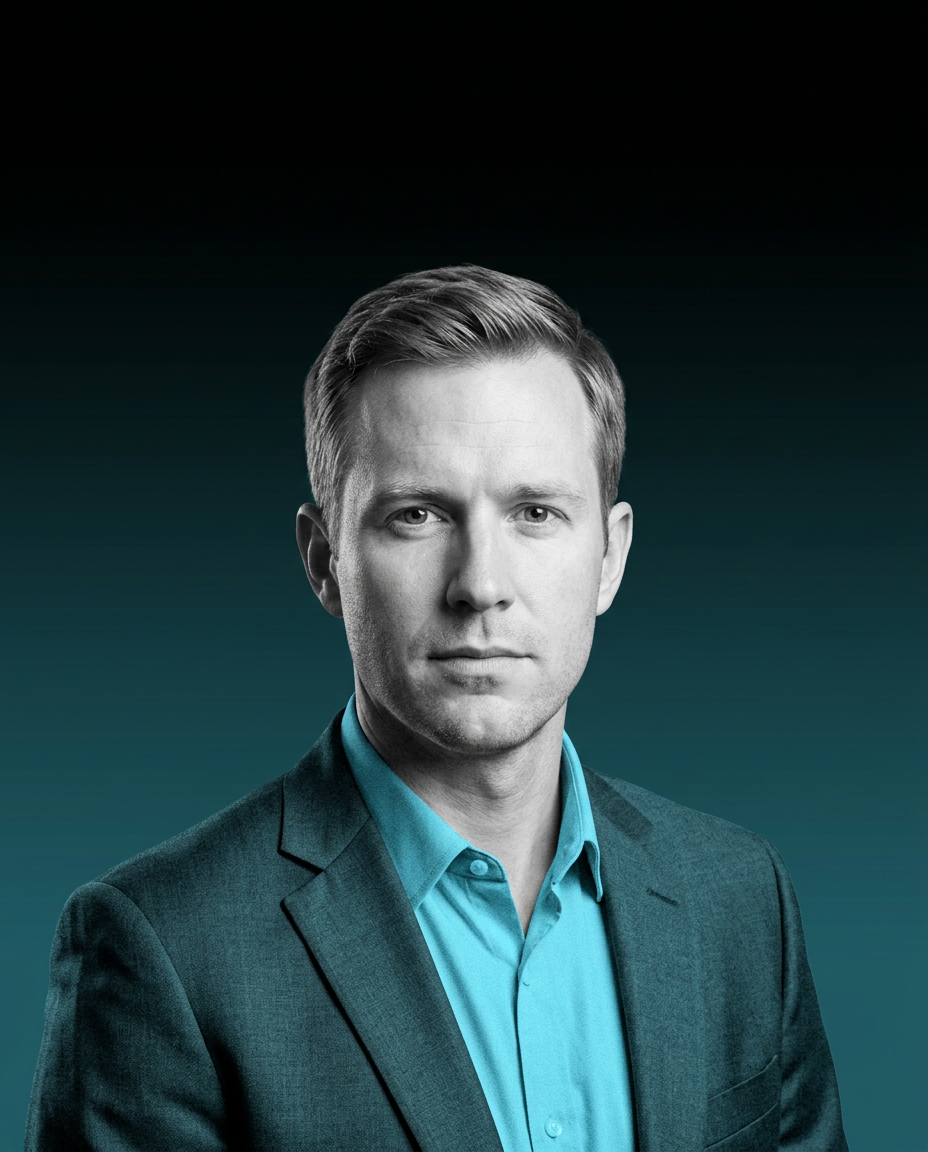
El CEO de Goldman Sachs, David Solomon, declaró que los mercados han pasado decididamente a un modo de "codicia", afirmando que el sistema financiero tiene suficiente liquidez para absorber lo que podría ser la mayor ola de ofertas de capital en la historia por parte de los gigantes de la inteligencia artificial.
"Definitivamente estamos en un momento en el que hay más codicia que miedo", dijo Solomon el martes en el Economic Club de Nueva York en una entrevista con Leslie Picker de CNBC.
El S&P 500 ha alcanzado 11 nuevos máximos históricos de cierre en el último mes, mientras que el Nasdaq Composite ha subido un 30% desde finales de marzo, impulsado por un frenesí de inversión en IA. SanDisk ha ganado aproximadamente un 630% en lo que va del año, mientras que Micron, Dell e Intel han subido un 265%, un 250% y un 191%, respectivamente.
Los comentarios llegan mientras los mercados se preparan para las ofertas públicas iniciales de OpenAI, Anthropic y SpaceX —que Solomon calificó como las OPI más grandes de la historia— en un momento en que las empresas también buscan sumas enormes para financiar centros de datos e infraestructura de IA. El anuncio de Alphabet de una ampliación de capital de 80.000 millones de dólares, la mayor oferta de seguimiento jamás realizada, vio sus acciones caer solo un 2%, un dato que Solomon citó como evidencia de la capacidad del mercado.
Solomon, cuyo banco desempeña un papel principal en varias de las operaciones, dijo que la ola de recaudación de fondos no tiene precedentes en tamaño, pero está justificada por niveles récord de riqueza y liquidez. Goldman Sachs fue nombrado agente de colocación privada para la ampliación de capital de Alphabet y consiguió el puesto principal para la cotización de SpaceX, que involucra a otros 22 bancos y se espera que se complete la próxima semana. El banco también compite por roles principales en las ofertas públicas de Anthropic, que presentó el lunes una solicitud confidencial de OPI, y OpenAI.
"Cuando el capital está disponible, si consumes capital y está disponible, toma el capital", dijo Solomon.
Solomon reconoció que el sentimiento puede cambiar rápidamente, pero dijo que el ciclo actual podría tener margen para continuar. "Puede convertirse en miedo muy rápidamente, pero eso no significa que vaya a suceder", afirmó. "El entusiasmo puede prolongarse durante largos períodos. Hay una buena posibilidad de que estemos al principio del ciclo, no al final".
Goldman Sachs, que registró 17.000 millones de dólares en ganancias el año pasado, está posicionado para tener potencialmente otro año excepcional, ya que la fiebre del oro de la IA impulsa la actividad de acuerdos y la volatilidad del mercado. Los analistas pronostican que 2026 será el segundo año más rentable del banco, solo detrás de 2021, según datos compilados por Bloomberg.
Solomon advirtió que la demanda de infraestructura de IA "no seguirá la línea recta que todos están proyectando actualmente", citando posibles obstáculos derivados de cambios tecnológicos y costos fluctuantes. También señaló que la adopción empresarial de la IA probablemente será más lenta de lo que se espera actualmente, y que las empresas con márgenes más altos están mejor posicionadas para invertir que aquellas con márgenes más bajos.
La capacidad de los mercados para absorber la próxima ola de mega OPI dependerá de si el optimismo actual persiste. La última vez que los mercados de capitales de renta variable vieron un aumento comparable en emisiones fue en 2021, cuando se recaudaron 594.000 millones de dólares en OPI y ofertas de seguimiento en EE. UU., según datos de Dealogic.
Este artículo es solo para fines informativos y no constituye un consejo de inversión.