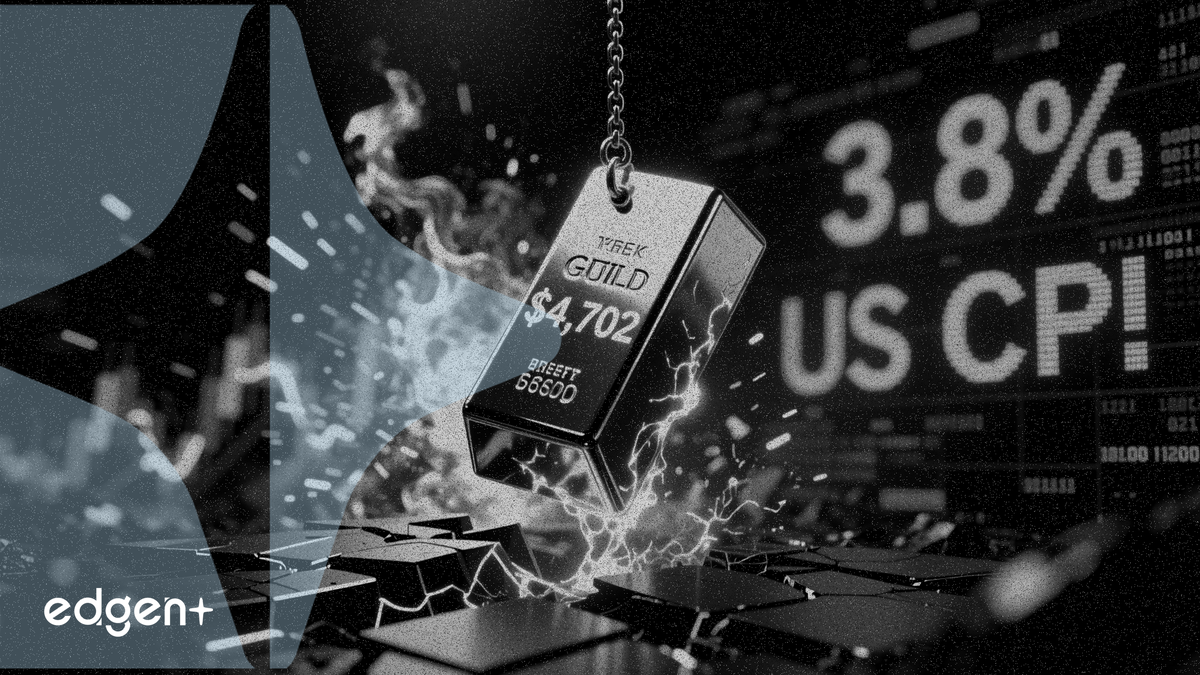
Salı günü, ABD Tüketici Fiyat Endeksi'nin (TÜFE) Nisan ayında %3,8 ile beklenenden daha yüksek gelmesinin ardından COMEX altın vadeli işlemleri ons başına 4.702 dolar desteğini test etti ve Federal Rezerv'den yakın vadeli bir faiz indirimi umutlarını köreltti.
Piramal Finance Baş Ekonomisti Debopam Chaudhuri, "Enflasyondaki bu keskin artışın anında etkisi, yakın vadeli bir faiz indirimi olasılığını etkili bir şekilde ortadan kaldırmasıdır. Enflasyon bu kadar yüksek seyretmeye devam ederken Federal Rezerv'in faiz indirimine başlaması ekonomik olarak mantıklı değil" dedi.
Çalışma Bakanlığı raporu, TÜFE'nin yıllık %3,8'lik artışının %3,7'lik konsensüs tahminini aştığını gösterdi. Gıda ve enerjiyi hariç tutan çekirdek TÜFE de yıllık %2,8 artarak beklenen %2,7'nin üzerinde gerçekleşti. Kalshi'den alınan verilere göre, bu veri faiz beklentilerini anında etkiledi ve tahmin piyasaları Fed'in Haziran 2026 toplantısına kadar faiz indirimi olasılığının bir gün önceki %3,0'dan %2,3'e düştüğünü gösterdi.
Fed'in %2'lik hedefinin oldukça üzerinde seyreden kalıcı enflasyon, merkez bankasını fiyat istikrarı ile ekonomik büyümedeki yavaşlama riskleri arasında denge kurmak zorunda olduğu zor bir duruma sokuyor. Bir faiz artırımı baz senaryo olmasa da, ekonomistler yılın geri kalanı için en olası yolun uzun süreli bir duraklama olduğunu ve bir sonraki FOMC toplantılarının gelecekteki yönlendirmeler için kritik önem taşıyacağını belirtiyor.
Jeopolitik Gerilimler ve Petrol Fiyatları Fed'in Yolunu Zorlaştırıyor
Enflasyon tablosu, başta yüksek enerji fiyatları olmak üzere dış arz şoklarıyla daha da karmaşık hale geliyor. Orta Doğu'da ABD destekli bir koalisyon ile İran arasında devam eden çatışma petrol arzını aksatarak Brent ham petrol fiyatlarını varil başına 110 doların üzerine çıkardı. Enerji maliyetlerindeki bu artış, manşet enflasyon rakamının temel itici gücü oldu.
Emkay Global Financial Services Baş Ekonomisti Madhavi Arora, "Yakından izledikleri şey petrol fiyatlarının yörüngesidir. Petrol fiyatları uzun bir süre yüksek kalmaya devam ederse, merkez bankaları şahin duruşlarını beklenenden daha uzun süre korumak zorunda kalabilir" dedi.
Altın fiyatları, faizlerin daha uzun süre yüksek kalacağı beklentisine olumsuz tepki verirken, gümüş fiyatları ons başına 86 doların üzerine çıkarak güç gösterdi. Bu ayrışma, gümüşün hem parasal hem de endüstriyel bir metal olarak ikili rolünü yansıtıyor olabilir ve potansiyel olarak faiz oranı dalgalanmalarına daha az duyarlı sektörlerden talep buluyor olabilir.
Bu makale yalnızca bilgilendirme amaçlıdır ve yatırım tavsiyesi niteliği taşımaz.