

Key Takeaways:
- GM hires AV talent from Waymo, Cruise and Zoox for personal-car autonomy
- Super Cruise covers 750,000+ miles of compatible roads in North America
- Global ADAS market projected to reach $85 billion by 2030
Key Takeaways:
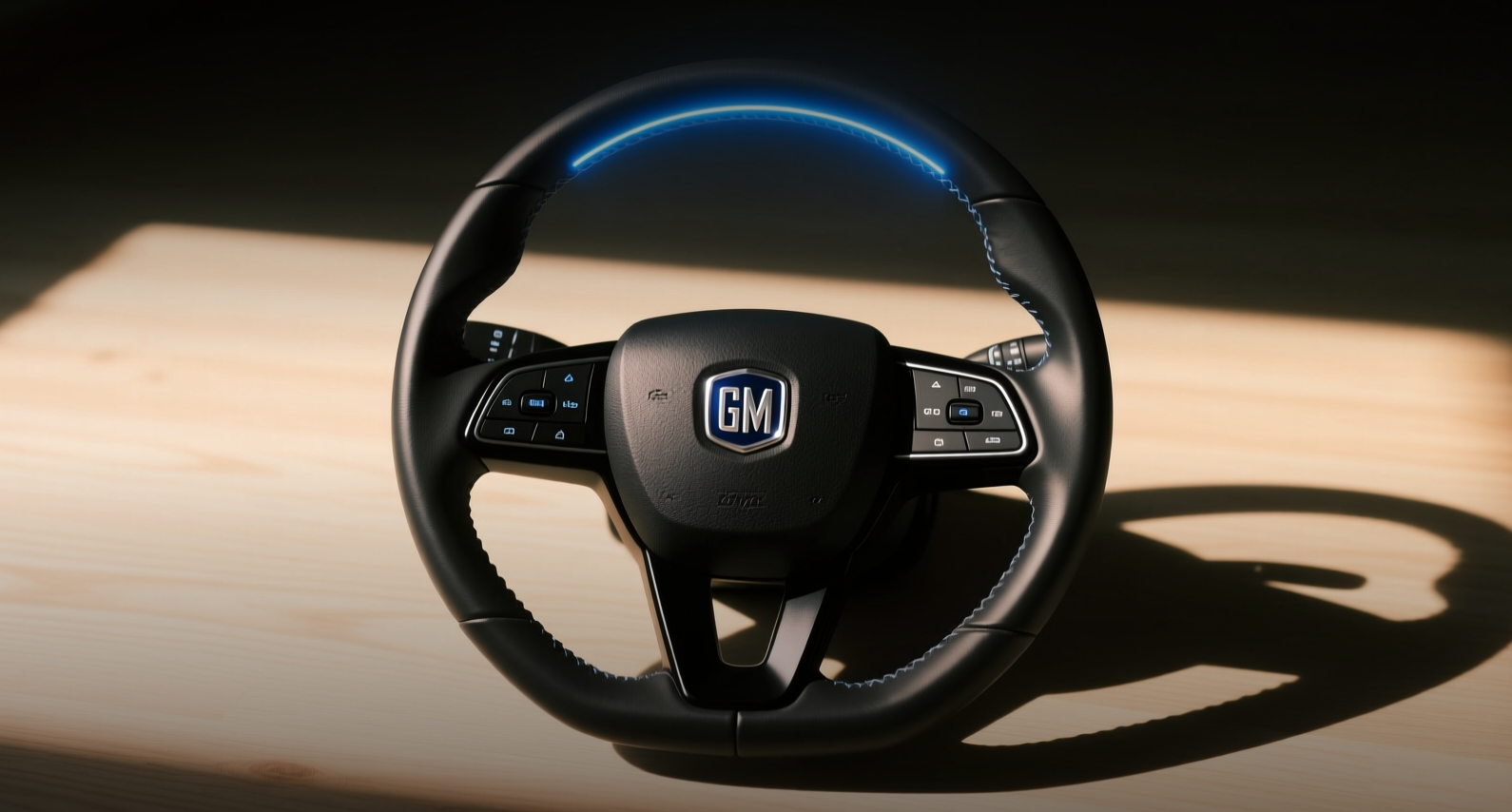
General Motors is betting that talent, not just technology, will determine who wins the race to bring self-driving to everyday drivers.
General Motors has been quietly rebuilding its autonomous vehicle team from the ground up, hiring engineers and executives from top competitors as it shifts focus from robotaxis to bringing self-driving technology to personal cars. Rashed Haq, GM's autonomy boss, said the automaker has pulled talent from at least three major autonomous vehicle companies, including Waymo, Cruise and Zoox, as it accelerates development of its Super Cruise system toward full autonomy.
"GM wants to crack self-driving for the masses, and it's hiring talent from rivals to do it," Haq said in an interview. "We're not building a robotaxi fleet — we're building a system that every GM customer can use in their personal vehicle."
The talent raid comes as GM's Super Cruise, currently a hands-free driver-assistance system available on more than 20 GM models including the Cadillac Lyriq and GMC Hummer EV, covers over 750,000 miles of compatible roads in North America. The system uses a combination of cameras, radar and lidar sensors, with a driver-facing camera monitoring attention. GM has not disclosed the size of its expanded autonomy team, but Haq confirmed the group has grown "significantly" over the past 12 months.
The competitive landscape is intensifying. Ford's BlueCruise covers about 130,000 miles of roads, while Tesla's Full Self-Driving — despite its name — remains a Level 2 system requiring constant driver supervision. Waymo operates a commercial robotaxi service in San Francisco, Phoenix and Los Angeles but has not announced plans for a personal-vehicle product. Mercedes-Benz became the first automaker to win regulatory approval for Level 3 conditional driving in Nevada and California, allowing drivers to take their eyes off the road under specific conditions.
GM's strategy targets a different market. By embedding autonomy into personal vehicles rather than operating a fleet, the company avoids the unit economics challenges that have plagued robotaxi operators. Waymo's fleet of about 700 vehicles in San Francisco requires significant per-vehicle operational costs for remote monitoring and fleet maintenance. Cruise, which GM fully acquired in 2024 after a pedestrian-dragging incident in San Francisco, has since shifted its focus to personal-vehicle autonomy under GM's umbrella.
The hiring push signals that GM sees a narrowing window to establish a lead. The global market for advanced driver-assistance systems is projected to reach $85 billion by 2030, according to Allied Market Research, with Level 3 and above systems accounting for an increasing share. GM's Super Cruise currently costs $2,500 as an option on compatible vehicles, compared with Ford's BlueCruise at $800 per year and Tesla's FSD at $12,000 upfront.
GM shares have gained 14% year-to-date, outperforming Ford's 6% decline and the S&P 500's 8% gain. The stock trades at 6.2x forward earnings, a discount to Tesla's 68x multiple but a premium to Ford's 5.8x. Morgan Stanley analyst Adam Jonas, who rates GM overweight with a $78 price target, said in a June note that "successful execution on personal-vehicle autonomy could unlock $15-$20 per share in value that the market is currently not pricing in."
The question is whether GM can retain the talent it has recruited. The autonomous vehicle industry has seen high turnover, with engineers often moving between companies for premium compensation packages. Waymo, Alphabet's self-driving unit, has lost several senior engineers to GM in recent months, according to people familiar with the matter. GM has not disclosed compensation details for its new hires.
GM plans to demonstrate its next-generation autonomous system in a production vehicle by late 2027, Haq said, with a broader rollout across its lineup by 2029. If successful, the technology could transform GM from a traditional automaker into a provider of autonomous mobility — a shift that would fundamentally change how the company is valued by investors.
This article is for informational purposes only and does not constitute investment advice.
